


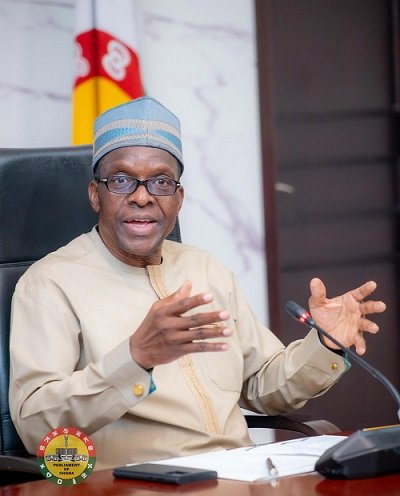
The Fourth African Inter-Parliamentary Conference ended in Accra on Friday, with South Africa and Mozambique declining to adopt the draft African Charter on Family, Sovereignty and Values, even though 20 other African countries endorsed it.
The conference brought together parliamentarians, political leaders, traditional authorities, faith-based organisations and civil society representatives from across the continent.
The draft charter seeks to establish a continental legal and moral framework to protect traditional African social norms, religious beliefs and national sovereignty from what organisers describe as foreign ideologies.
Explaining its position, the South African delegation, led by Zandile Majozi, said although the country respects the objectives of the charter, some of its provisions are inconsistent with Chapter 2 of its Constitution, which contains the Bill of Rights. It added that the provisions also do not align with the country’s regional and international legal obligations.
Mozambique, in a letter addressed to the Speaker of Parliament, Mr Alban Sumana Kingsford Bagbin, attributed its decision to logistical challenges and constraints within its legislative schedule.
The letter noted that the significance and sensitivity of the issues raised in the charter required prior consultations, public sensitisation and joint review involving Parliament, government and other relevant national authorities before a final decision could be taken.
In a draft communiqué issued at the end of the conference, participants expressed concern about what they described as growing threats to the African family, national sovereignty and societal values. They reaffirmed their commitment to the resolutions adopted at the meeting.
The communiqué indicated that deliberations focused on building parliamentary consensus on the charter.
Discussions covered African family systems, sovereignty and cultural preservation, value-based education and youth development, gender, marriage and family well-being, as well as technology, media and global influence.
Comparative legislative approaches were also examined.
These discussions were guided by key thematic areas of the charter, including the sovereignty of the African family, religious and cultural values, education, health, food and natural resources, and economic and political sovereignty.
The conference adopted 12 key recommendations to support the implementation of the charter.
Among them was a proposal for the Conference of Speakers and Presidents of African Legislatures (COSPAL) to formally adopt the activities, resolutions and outcomes of the first four conferences that led to the development of the charter.
Participants also recommended the establishment of a COSPAL Committee on Family, Sovereignty and Values to provide strategic oversight for the institutionalisation process, supported by a secretariat to coordinate its activities.
Other recommendations included the formation of national parliamentary caucuses on Family, Sovereignty and Values within member states, the development of a sustainable financing framework, the creation of governance instruments for the proposed COSPAL committee, and the setting of clear implementation timelines.
The conference further called for strengthened collaboration with key stakeholders, the building of strategic partnerships with like-minded institutions globally, and the promotion of educational and cultural initiatives to raise awareness of African values.
Participants expressed gratitude to President John Dramani Mahama, the Government of Ghana and the Speaker of Parliament, Mr Bagbin, for hosting the event.
They also urged African parliaments to subject the draft charter to internal consultations with their respective Executives and allow for public participation. Civil society organisations were equally encouraged to facilitate broader public engagement ahead of the fifth conference scheduled for next year.
BY BENJAMIN ARCTON-TETTEY
Follow our WhatsApp Channel now! https://whatsapp.com/channel/0029VbAjG7g3gvWajUAEX12Q

