


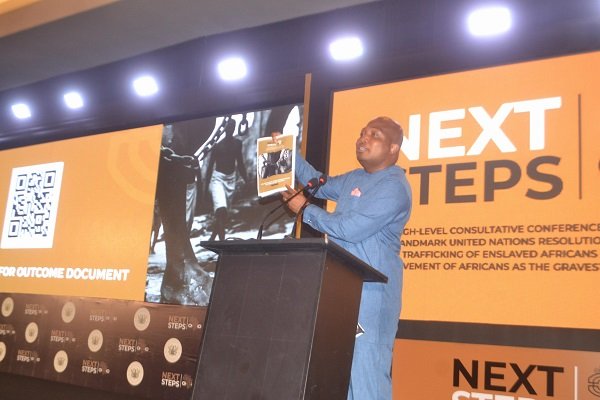
The maiden next steps conference on reparatory justice has ended in Accra on Friday with the adoption of a comprehensive framework to advance the global reparations agenda.
The three-day conference followed the United Nations adoption of Resolution A/RES/80/250, which declared the Transatlantic Slave Trade as one of the worst forms of human cruelty.
It was held under the auspices of the Government of Ghana.
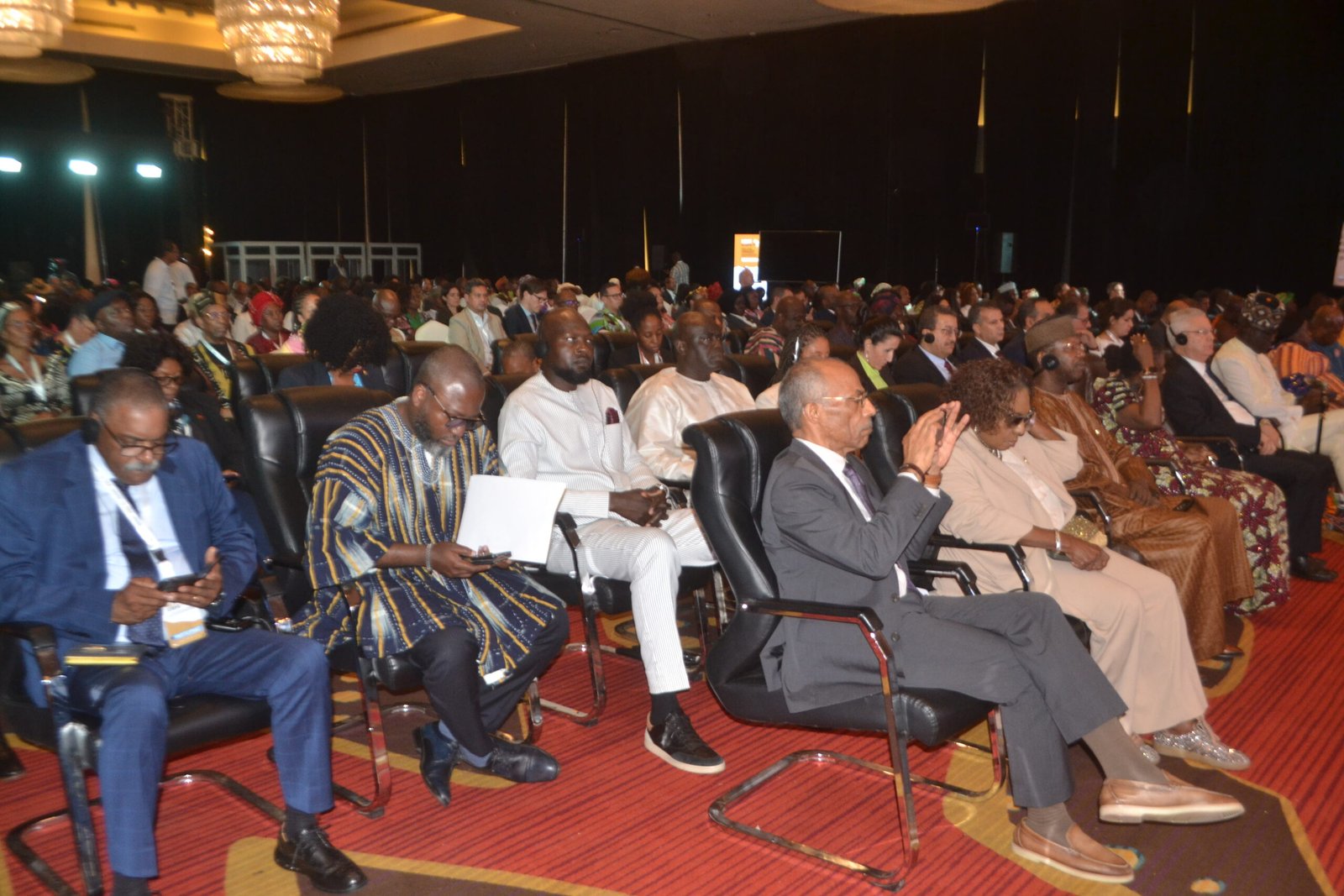
The event brought together heads of state and government, diplomats, legal experts, academics, civil society organisations and representatives of the African diaspora from Africa, the Caribbean, Europe, Asia and the Americas to deliberate on practical pathways towards achieving reparatory justice.
The outcome document, known as the Accra Next Steps Commitment on Reparatory Justice, outlines measures to address the enduring effects of slavery, colonialism, apartheid and other historical injustices.
Presenting the outcome, the Minister of Foreign Affairs, Samuel Okudzeto Ablakwa, described the conference as a major milestone in the global reparations movement.
He said the document contained practical measures focused on restitution, compensation, rehabilitation, institutional reforms and guarantees of non-repetition.
Mr Ablakwa noted that the legacy of the transatlantic slave trade continued to manifest in racial inequalities, development disparities and other forms of injustice globally.
The framework identifies key areas for action, including truth and acknowledgement, legal justice, compensatory reparations, restitution of cultural artefacts, debt relief, financial justice, public health, climate justice and diaspora engagement.
Participants agreed that reparatory justice should go beyond financial compensation to include formal apologies, institutional reforms and measures to address structural inequalities.
A key outcome of the conference was the decision to establish three global bodies, an Advisory Council on Reparatory Justice, an Expert Panel on the Restitution of Cultural Artefacts, and a Panel of Legal Experts for Reparatory Justice.
Mr Ablakwa disclosed that some countries announced commitments during the conference.
He said the Netherlands had pledged to return about 2,000 artefacts to Ghana, while Germany had indicated its readiness to repatriate artefacts from the Bono Traditional Area.
He added that Denmark had reaffirmed its apology for its role in the slave trade and pledged support for the preservation of Christiansborg Castle in Accra as a site of remembrance.
France, he mentioned, had also expressed readiness to engage through a scientific commission to establish historical truth.
Mr Ablakwa noted that the participation of countries such as China, India and Russia reflected growing global support for the reparatory justice movement. He stressed that meaningful progress required inclusive dialogue and collective engagement.
The conference further called on African leaders to complement demands for external reparations with domestic measures to restore dignity and address contemporary forms of exploitation.
Participants also advocated reforms to educational curricula and the establishment of museums and memorials to preserve historical memory and house returned artefacts.
In addition, delegates called for reforms to the global financial system to address debt burdens and improve access to development financing for countries in the Global South.
Declaring the document adopted, Mr Ablakwa said the conference had united Africans, the diaspora and global partners behind a shared agenda for justice, healing and sustainable development.
He stressed that reparatory justice was about justice, not vengeance, and urged stakeholders to sustain the momentum.
Delegates pledged to work towards translating the commitments into concrete actions.
BY CLIFF EKUFUL AND JACOB AGGREY
Follow our WhatsApp Channel now! https://whatsapp.com/channel/0029VbAjG7g3gvWajUAEX12Q

