


The founding director of the West Africa Centre for Crop Improvement (WACCI), Professor Eric Y. Danquah, has called for a global research system in which the quality of a scientist’s research questions is not determined by the wealth of their institution.
Speaking at the opening of the ninth International Plant Phenotyping Symposium in Accra yesterday, Prof. Danquah said Africa should not be seen merely as a place where technologies developed elsewhere were applied, but as a continent where important scientific questions were framed, technologies developed and new knowledge generated.
The symposium is being held under the theme, “Phenotyping for All: Bridging the Gap in Global Agriculture.”
Prof. Danquah said the theme did not mean every laboratory had to own every scientific instrument. Rather, it meant that a breeder working on drought tolerance in the Sahel or a scientist studying an under-researched African crop should have access to the expertise needed to benefit from modern phenomics.
He said the gap in plant phenotyping was often described in terms of equipment, but the installation of sophisticated instruments alone did not create scientific capability.
Their value, he explained, depended on collaboration among plant breeders, physiologists, engineers, statisticians and computational scientists. Institutions also needed the capacity to maintain equipment, manage data and sustain research beyond individual grants.
Drawing on WACCI’s experience, Prof. Danquah said that when the centre was established almost 20 years ago, West Africa already had universities, research institutes and talented scientists but lacked a critical mass of highly trained plant breeders working on crops important to African farmers.
Since its establishment, WACCI has graduated 133 PhD plant breeders from 19 African countries.
The symposium began in Canberra, Australia, in 2009. Prof. Danquah described Accra’s selection as the ninth host city and Ghana’s position as the first African host as historic milestones.
He expressed the hope that the meeting would be remembered for advancing a more inclusive global plant phenotyping community in which African scientists and institutions played a greater role in shaping the field.
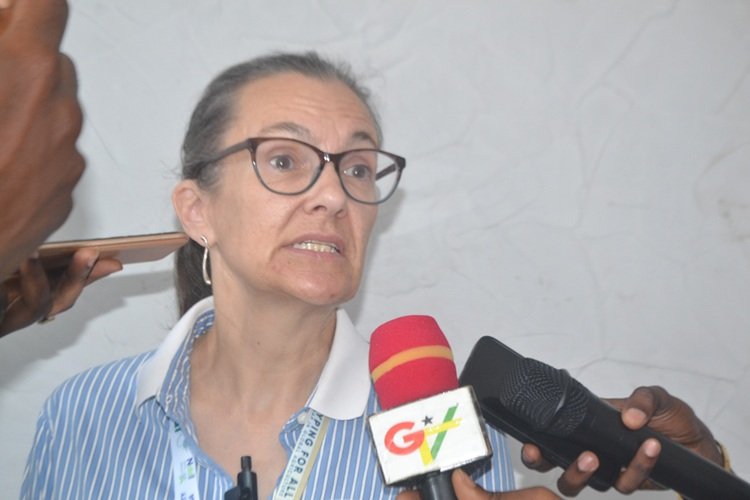
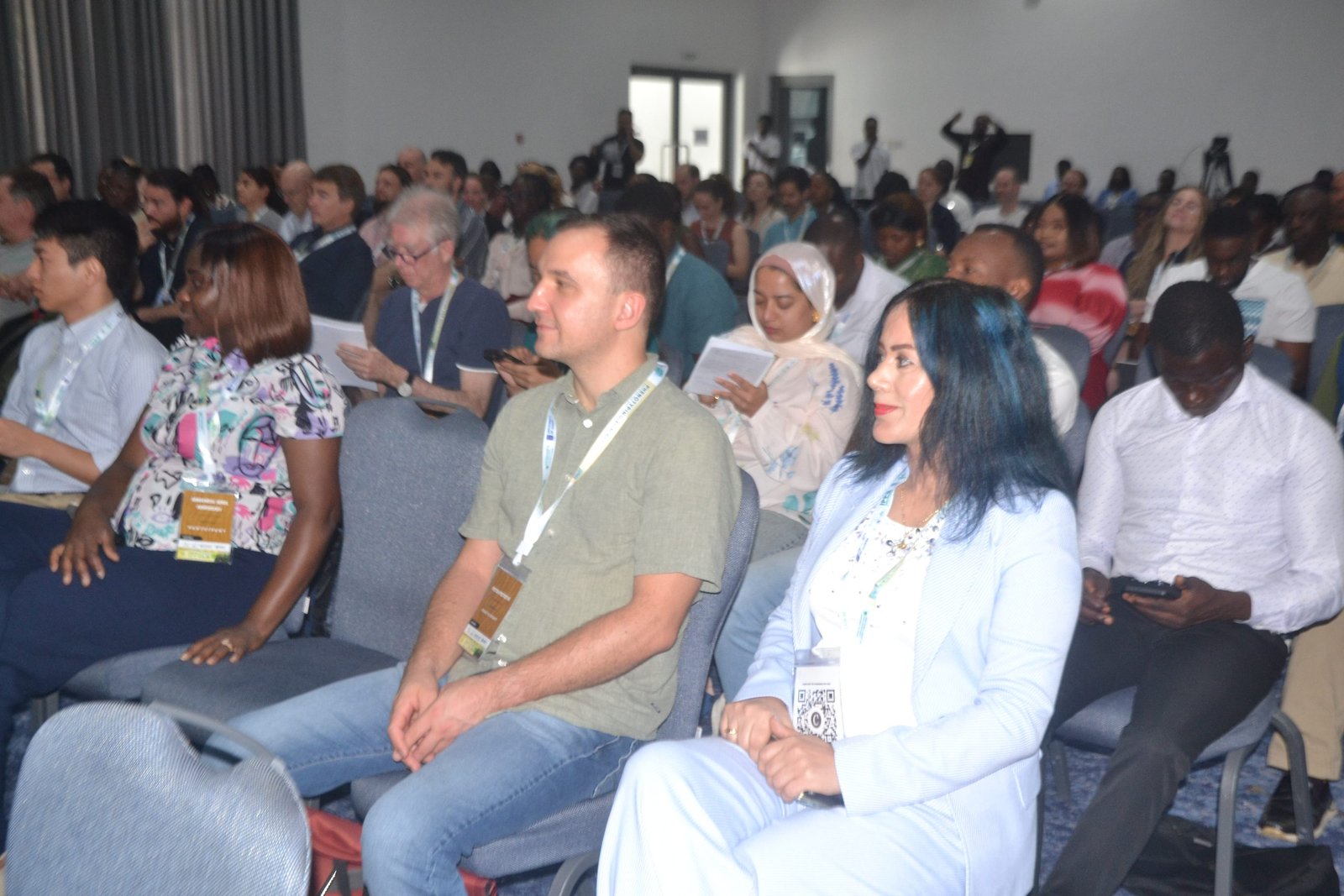
The opening ceremony was attended by the Chair of the International Plant Phenotyping Network (IPPN), Professor Jennifer Clarke; its Executive Director, Dr Philipp von Gillhaussen; and other board members, speakers and participants.
Prof. Clarke, whose organisation hosts the symposium, said the meeting had been brought to Africa to showcase global developments in plant phenotyping and engage the African scientific community.
“We have been extremely impressed with the level of science and engagement across Africa,” she said, adding that the aim was to build connections and “hopefully partnerships that will be sustainable and lasting.”
She said the programme featured speakers from Africa and other parts of the world, providing African scientists with opportunities to connect with their international counterparts.
Prof. Clarke added that the symposium was also serving as a launchpad for the Pan-African Plant Phenotyping Network.
The event is being hosted by the IPPN in partnership with the University of Ghana, WACCI and the African Plant Breeding Association.
BY ABIGAIL ARTHUR
SKIP THE QUEUE, TAP THE NEWS


Read the Ghanaian Times and The Spectator newspapers from the comfort of your device via TimesNewsPlus.
Follow our WhatsApp Channel now! https://whatsapp.com/channel/0029VbAjG7g3gvWajUAEX12Q

