



A successful implementation of the 24-hour economy policy is dependent on the ability of the government to address the issue of energy and transmission losses, formalisation of the informal sector, and the injection of adequate capital in the economy, a Research Analyst, Mr Maxwell Asare Boateng, has said.
According to Mr Boateng, addressing the aforementioned challenges would enable the government to generate enough revenue, reduce energy costs, and expand the economy.
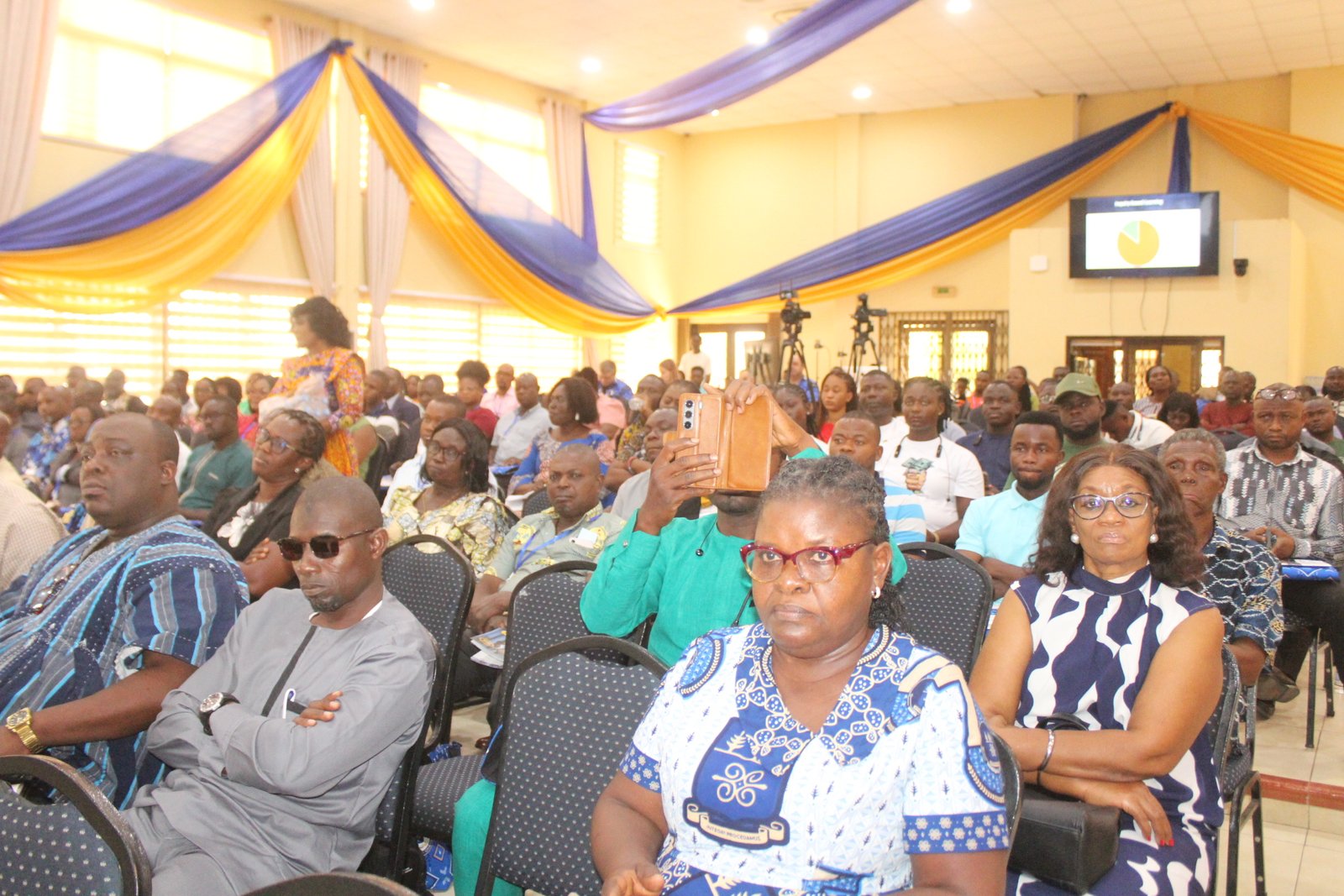
The research analyst said this in a media interview following a presentation of a research topic on “The Paradox of The 24-hour Economy: Building a Vibrant and Resilient Economy”, at the 77th Annual New Year School (ANYS) and Conference, which ended on Wednesday and held at the University of Ghana, Legon.
Mr Boateng said, “Although the government is ready to pump money into the 24-hour economy, 47 per cent of the youth are willing to work. But the critical challenge is the structural issue that we have not addressed. One of them is the energy and transmission losses.”
“Almost about 70 per cent of Ghanaians are not paying electricity, and these are where the losses occur. So, when these things happen, it means that our energy will be on the high side, because government will have to levy people to pay more so that it can be able to make up for the losses,” he added.
Mr Boateng explained that the payment of exorbitant power prices by entrepreneurs due to energy and transmission losses could affect the expansion of businesses as well as job creation.
Moreover, he urged the government to invest in state and private enterprises, noting, “If you [want] these industries and enterprises to work, you need to inject money into them. If you don’t inject logistics and the right social welfare policy scheme for the people for them to work with all their heart out, then you are not going to achieve the 24-hour economy you are talking about.”
Mr Boateng opined that the focus of the government on the 24-hour economy policy should not be limited to the extended working hours but the quality of its outcome.
He further highlighted the need for a sector-specific implementation of the 24-hour economy policy as it could not be implemented across all sectors of the economy.
“I think about 30 per cent of our economy can do the 24-hour economy. The transport, tourism, and telecommunications. These are a few areas where we can run the policy. So we can start from there. We can pilot from these areas and see how it would be able to work,” Mr Boateng said.
The 24-hour economy policy of the government aims to boost productivity, create millions of jobs, and shift Ghana from an import-dependent economy to a self-reliant and export-led economy by encouraging 24/7 operations in key sectors like agriculture, manufacturing, and public services.
The government laid before Parliament the 24-hour Economy policy framework and related bills last year before Parliament went on recess.
BY BENJAMIN ARCTONTETTEY
🔗 Follow Ghanaian Times WhatsApp Channel today. https://whatsapp.com/channel/0029VbAjG7g3gvWajUAEX12Q
🌍 Trusted News. Real Stories. Anytime, Anywhere.
✅ Join our WhatsApp Channel now! https://whatsapp.com/channel/0029VbAjG7g3gvWajUAEX12Q

