


The Aircraft Accident and Incident Investigation and Prevention Bureau (AIB) has marked its fifth anniversary with a community health outreach that screened hundreds of residents in La and surrounding communities, uncovering a high prevalence of hypertension and other non-communicable diseases.
The exercise, held in collaboration with Roselove Community Hospital and medical professionals, was part of the Bureau’s Corporate Social Responsibility (CSR) to communities within its operational catchment area.
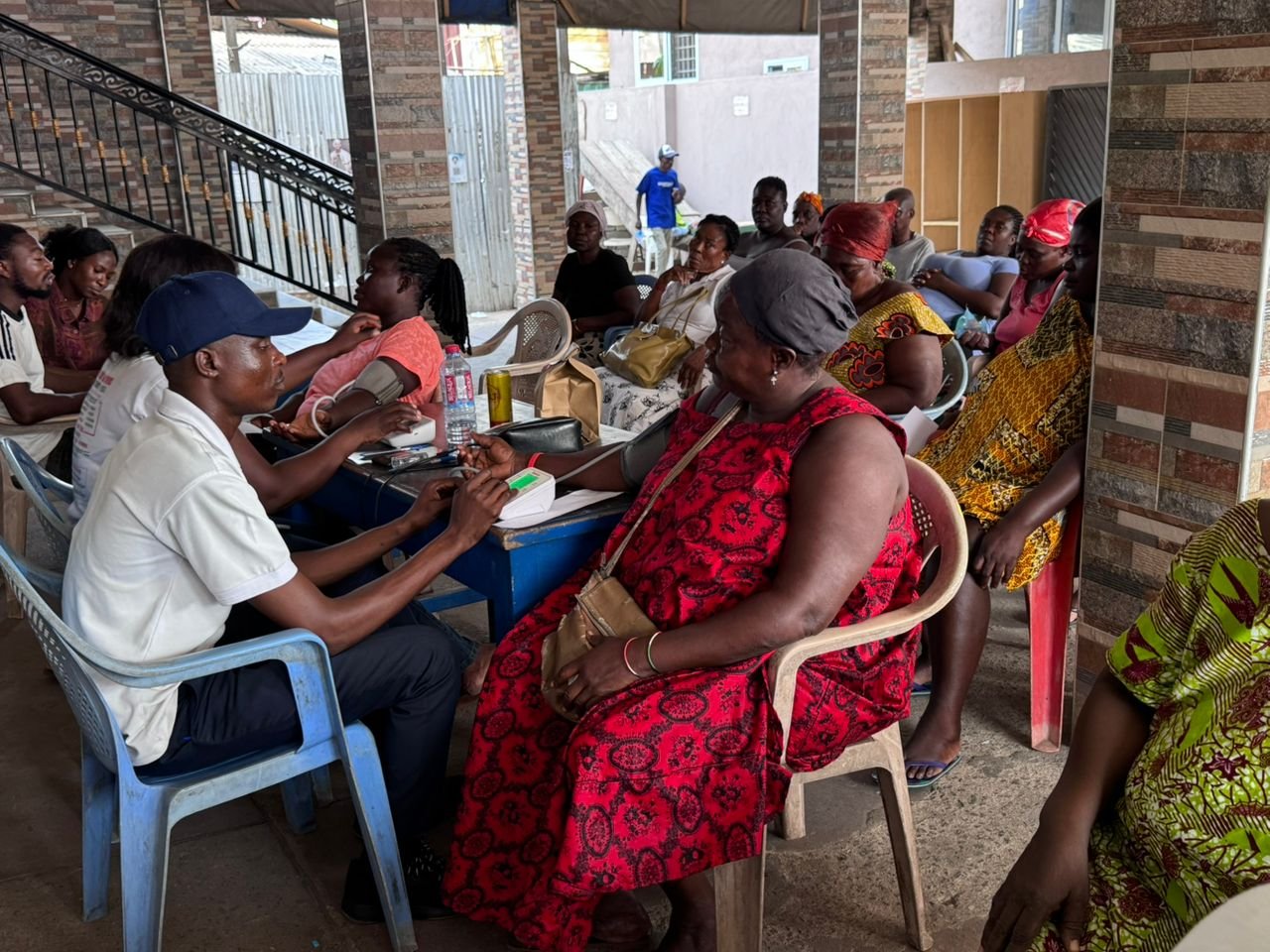
Speaking at the event on Wednesday, the Commissioner of AIB, Mr John Wunborti said the Bureau considered the health and wellbeing of surrounding communities as central to its mandate, noting that the Bureau worked closely with the public in its investigations, particularly through incident reporting and notifications.
“As a public institution, we work with people and live on people’s land. The people around us are our key stakeholders and they help us do our work, once we live with them, we must also take their health seriously,” he stated.
He explained that although the activity coincided with the Bureau’s anniversary, it was deliberately targeted at the general public rather than AIB staff, adding that some essential medications had been provided free of charge for residents with outpatient cases.
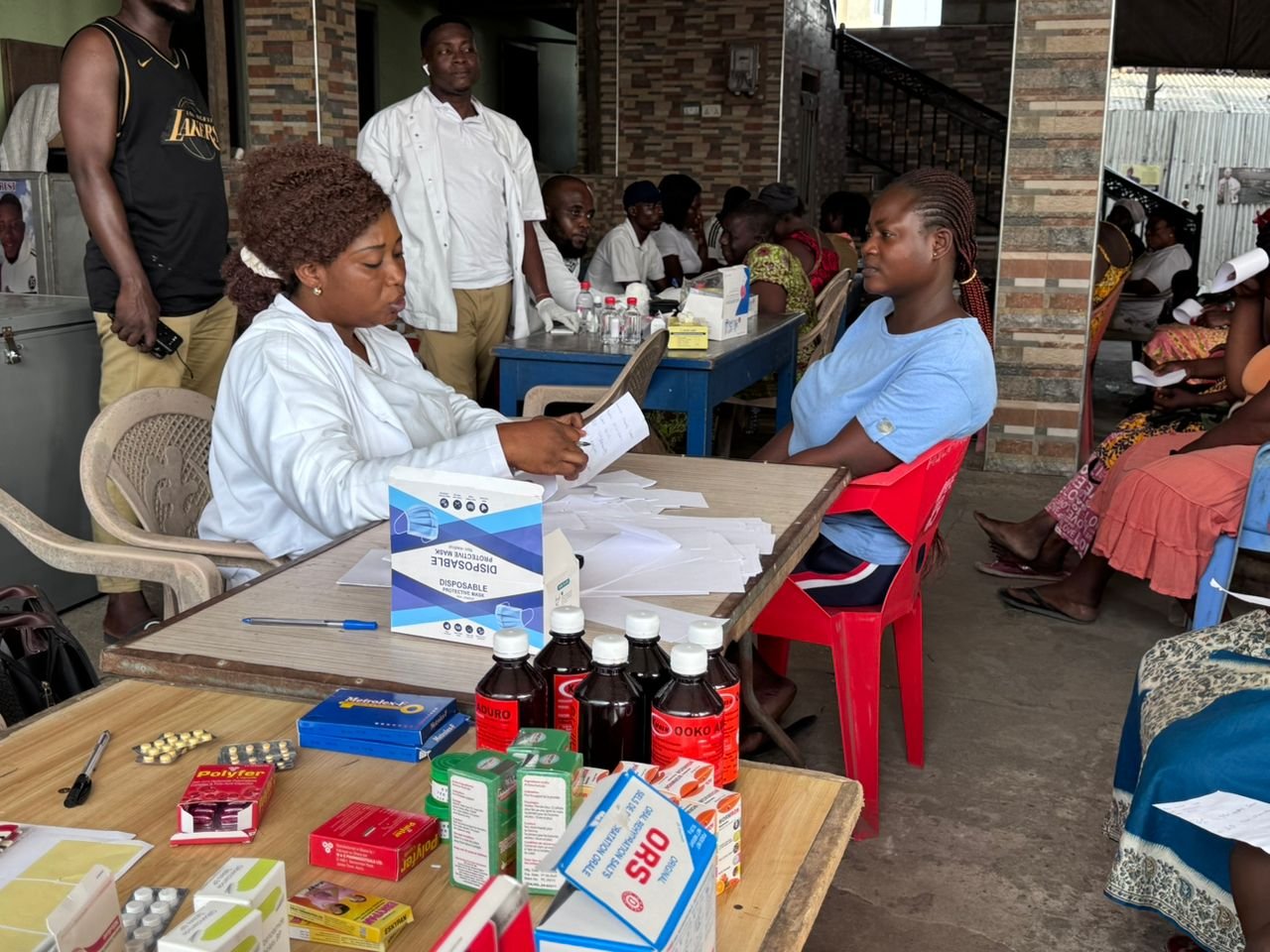
According to Mr Wunborti, as of mid-afternoon, about 400 people had been screened, with organisers targeting between 600 and 700 beneficiaries by the close of the exercise, describing the turnout as “very encouraging.”
Dr Judith Armah of Roselove Community Hospital who supervised the medical team, said the turnout far exceeded expectations, underscoring the unmet health needs in the community.
“Our initial target was 100 people, but so far we have screened about 400, and by the end of the day we may reach 700,” she said.
Dr Armah disclosed that the most common conditions detected were hypertension, diabetes, malaria and typhoid, with hypertension standing out significantly among adults.
“About 150 people, both men and women, were found with high blood pressure,” she revealed, attributing the trend to a combination of genetic factors and lifestyle habits common within the community.
She advised residents to reduce salt intake, adhere strictly to prescribed medication and undergo regular medical checks to prevent complications such as stroke.
A Medical Laboratory Scientist, Mr Isaac Eshun, said laboratory tests conducted included malaria, typhoid, blood sugar levels, HIV and Hepatitis B screenings.
He noted that while malaria and typhoid cases were relatively few, a number of Hepatitis B and a small number of HIV cases showed reactive results, prompting referrals to larger health facilities for confirmatory testing and treatment.
Mr Eshun emphasised that fresh hypertension cases could not be diagnosed on a single reading and advised residents to undertake consistent blood pressure monitoring before confirmation and treatment.
He also called for lifestyle changes, including reduced alcohol intake and stress management, stressing that regular health screening remained critical to early detection and prevention.
BY CECILIA YADA LAGBA