



On January 17, 2026, a historic turning point for our blue planet was reached. The High Seas Treaty (HST) – formally the Agreement on the Conservation and Sustainable Use of Marine Biological Diversity of Areas Beyond National Jurisdiction (BBNJ) – officially entered into force. While the maritime community celebrates, a critical question looms: what happens next?
Currently, only about one per cent of the high seas are protected. By designating critical biodiversity hotspots as Marine Protected Areas (MPAs), harmful activities such as overfishing, shipping, and deep-sea mining can be restricted.
Environmental Impact Assessments (EIAs) – the BBNJ Agreement mandates that any industrial activity on the high seas, such as marine carbon dioxide removal (MCDR) technologies, must undergo a transparent evaluation of its ecological footprint. This standardizes ocean governance, ensuring commercial interests do not override environmental integrity.
The nexus between UNCLOS, IMO, and fisheries
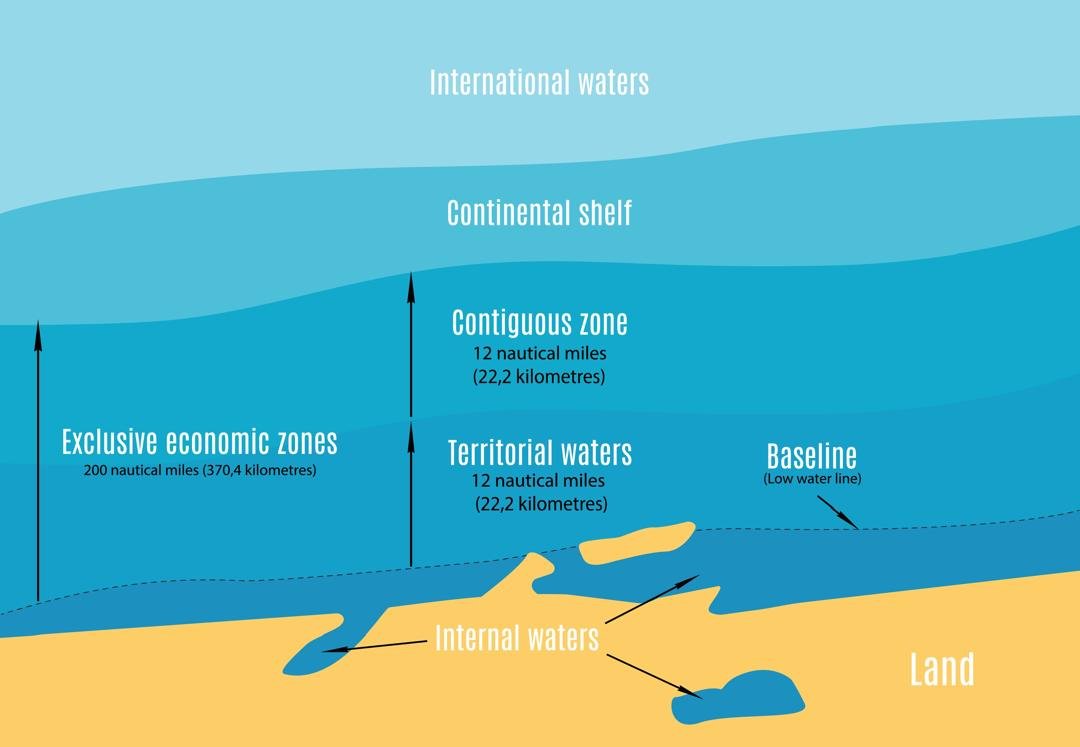
The High Seas, comprising nearly two-thirds of the world’s oceans, have long functioned as a “Wild West” without uniform regulation. While the United Nations Convention on the Law of the Sea (UNCLOS) provided a framework, the BBNJ Agreement fills a critical gap. However, history shows that maritime initiatives often fail to bridge the gap between policy and practice.
The dawn of a new era
The health of the ocean is inextricably linked to life on land and the well-being of the populations that inhabit it. These waters regulate climate, dictate weather patterns, and support fisheries that sustain millions of West African livelihoods.
Decoding the BBNJ: the four pillars
The BBNJ Agreement is structured to safeguard marine health in areas beyond national jurisdiction – waters covering nearly half of the Earth’s surface. The High Seas Treaty rests on four operational pillars:
- Marine Genetic Resources (MGRs) – establishes a framework for equitable sharing of benefits arising from marine discoveries. Genetic materials from deep-sea sponges, bacteria, and corals are vital for medicine, food security, cosmetics, and biotechnology. The Access and Benefit-Sharing Committee ensures that these benefits – financial and technical – are distributed fairly, particularly through technology transfer to the Global South.
- Area-Based Management Tools (ABMTs) – for the first time, the international community can establish MPAs in international waters to protect biodiversity.
- Environmental Impact Assessments (EIAs) – any industrial activity on the high seas must be evaluated for ecological impact, safeguarding ecosystems.
- Capacity building and technology transfer – this pillar is vital for Small Island Developing States, Developing States, and Coastal African States. It mandates sharing of tools and knowledge, ensuring that developing nations are active leaders in high-seas governance.
The long road to entry into force
This journey began in 2004. The primary obstacle was tension between the “Common Heritage of Mankind,” advocated by the Global South, and the “Freedom of the High Seas,” championed by industrialized nations. The final text represents a delicate compromise.
Ghana has been a proactive participant, signing the agreement in September 2023 and ratifying it on January 14, 2026. As of early February 2026, the treaty boasts 145 signatories and 85 ratifications, signifying a global mandate for change in ocean governance.
The HST does not replace UNCLOS; it is the third “implementing agreement” under it, filling governance gaps left by the 1982 Convention. Importantly, the BBNJ Agreement complements existing bodies like the International Maritime Organisation (IMO).
For the shipping industry, this means a new relationship of concurrency. If an MPA is established under BBNJ, the IMO must enact corresponding measures such as no-go zones or speed restrictions. While the HST does not regulate fisheries management directly, it influences environmental standards that Regional Fisheries Management Organisations (RFMOs) must adhere to, encouraging an ecosystem-based approach to resource management.
Lessons from the past: why initiatives falter
History issues a stern warning. Previous initiatives, such as the London Convention on Dumping, struggled due to:
- Lack of enforcement – without global monitoring, high-seas rules are often treated as mere suggestions.
- Flags of convenience – some vessels hide behind jurisdictions with weak oversight to circumvent environmental laws.
- Institutional silos – when the IMO, International Seabed Authority (ISA), and scientific communities fail to collaborate, the ocean suffers.
A strategic roadmap for Ghana and other coastal African states
The BBNJ is not a silver bullet. To ensure it does not become a “paper park,” four strategic areas are essential:
- Institutional integration and policy coherence – Ghana must dismantle internal silos. The Ministry of Foreign Affairs, Ghana Maritime Authority, Fisheries Commission, academia, and Environmental Protection Agency must synchronize efforts. A comprehensive Ghana National Maritime Policy (GNMP) is urgently needed to clearly delineate the country’s maritime future.
- Digital oceans: AI and satellite surveillance – real-time policing of MPAs requires digital solutions. Ghana should position itself as a regional hub for maritime domain awareness.
- Financial architecture and the global ocean fund – conservation is expensive. Ghana and other littoral states must demonstrate clear legal, administrative, and policy frameworks to access BBNJ special funds.
- Developing blue human capital – a new generation of “Blue Managers,” including maritime law experts, marine biologists, and data scientists, must be trained to understand the BBNJ framework. Capacity building goes beyond equipment; it includes intellectual tools for international negotiations and scientific research.
Conclusion: a call to action
The BBNJ Agreement has arrived, but the challenge is operational, not legal. Nations must move from excitement over entry into force to enforcement, cooperation, and capacity building.
“The tide has turned. Now, we must have the courage to swim in the direction of a sustainable, equitable, and protected ocean,” the writer emphasizes. Future generations and the blue pulse of the planet depend on decisive action.
The writer is a Programmes Analyst at the Global Futures Institute, Maritime Administrative Officer at the Ghana Maritime Authority, and a Sasakawa Fellow.
By Bismark Owoahene Acheampong
Follow Ghanaian Times WhatsApp Channel today. https://whatsapp.com/channel/0029VbAjG7g3gvWajUAEX12Q
Trusted News. Real Stories. Anytime, Anywhere.
Join our WhatsApp Channel now! https://whatsapp.com/channel/0029VbAjG7g3gvWajUAEX12Q

