


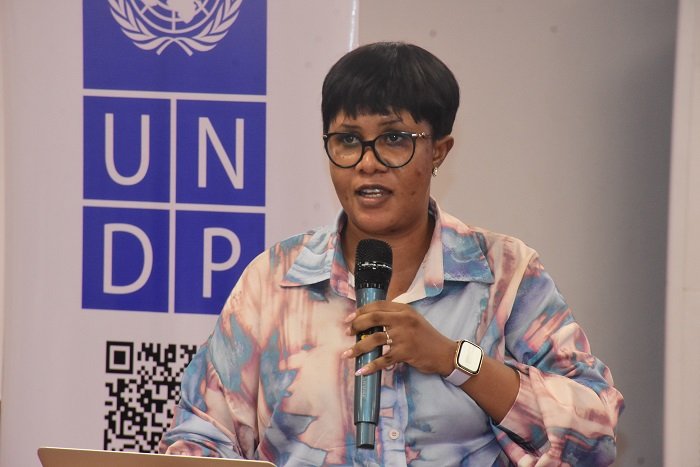
Ghana loses more than $520 million annually through the destruction of the ecosystem and biodiversity, an Environmental Policy Specialist at the United Nations Development Programme (UNDP), Ms Pamela Quaye, has revealed.
These losses, she said, were worrying when viewed within the context of the country’s financing arrangements with the International Monetary Fund (IMF).

Speaking at the UNDP BIOFIN biodiversity workshop organised by UNDP in Accra yesterday, Ms Quaye said biodiversity was not just about protecting forests, rivers, and wildlife, but also about human survival and national prosperity.
“Biodiversity is everything. It underpins our food systems through pollination and soil health, it secures water supply through healthy forests and wetlands, and it supports jobs and incomes through agriculture, fisheries, forestry, and tourism,” Ms Quaye said.
Ms Quaye said the current pace of biodiversity loss made it a national emergency and should be treated as a fiscal priority.
Her presentation highlighted both direct and indirect drivers of biodiversity loss in Ghana.
“The direct drivers include deforestation, land conversion, over-exploitation of species, pollution, and the spread of invasive alien species. Indirect factors such as poverty, weak governance, erosion, and policy or market failures are also accelerating the problem,” she said.
Ms Quaye pointed out that certain subsidies and incentives, while intended to support livelihoods, were sometimes harmful to biodiversity.
“For instance, premix fuel subsidies for artisanal fishers make fishing cheaper, but they also encourage overfishing and put pressure on marine life,” she said.
She noted that some of these harmful subsidies could be repurposed for positive outcomes if reviewed carefully.
“By redirecting incentives towards sustainable practices, Ghana could reduce biodiversity loss while still protecting the incomes of vulnerable groups”.
“Some of these incentives and subsidies are double-edged swords. As much as they help in some areas, they also hurt biodiversity. The challenge is to find the balance,” she added.
However, she stressed that biodiversity protection should not be seen as competing with development, but rather as an investment in food security, climate resilience, and job creation.
Project Lead of the UNDP BIOFIN, Mr Reginald Asare, explained that BIOFIN was a flagship UNDP project that works with governments to design financing plans.
“It supports the implementation of their national biodiversity strategies and align them with the global biodiversity framework adopted in Montreal,” he said.
He said the framework has 23 targets, and all governments under the UN Convention on Biological Diversity are required to integrate these targets into their national development plans and programmes.
“In Ghana, BIOFIN is working with the Ministry of Finance, the Ministry of Environment, Science, Technology and Innovation, and the Environmental Protection Agency to develop a biodiversity finance plan,” he explained
Mr Asare said the project aims to ensure Ghana could raise the necessary resources to meet its biodiversity commitments, support national development, and protect nature for future generations.
BY AGNES OPOKU SARPONG
🔗 Follow Ghanaian Times WhatsApp Channel today. https://whatsapp.com/channel/0029VbAjG7g3gvWajUAEX12Q
🌍 Trusted News. Real Stories. Anytime, Anywhere.
✅ Join our WhatsApp Channel now! https://whatsapp.com/channel/0029VbAjG7g3gvWajUAEX12Q
