


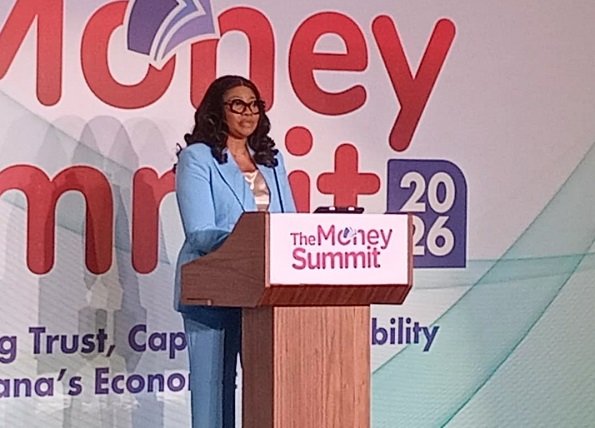
The Bank of Ghana (BoG) will continue to pursue measures and keep strong monetary stance to sustain the country’s current macroeconomic stability, the Second Deputy Governor of the Bank of Ghana (BoG), Mrs Matilda Asante-Asiedu, has stated.
She said Ghana’s stability, which was achieved through difficult policy adjustments over the past two years, must now be preserved in the face of global risks, including rising energy costs, geopolitical tensions, and external supply shocks.
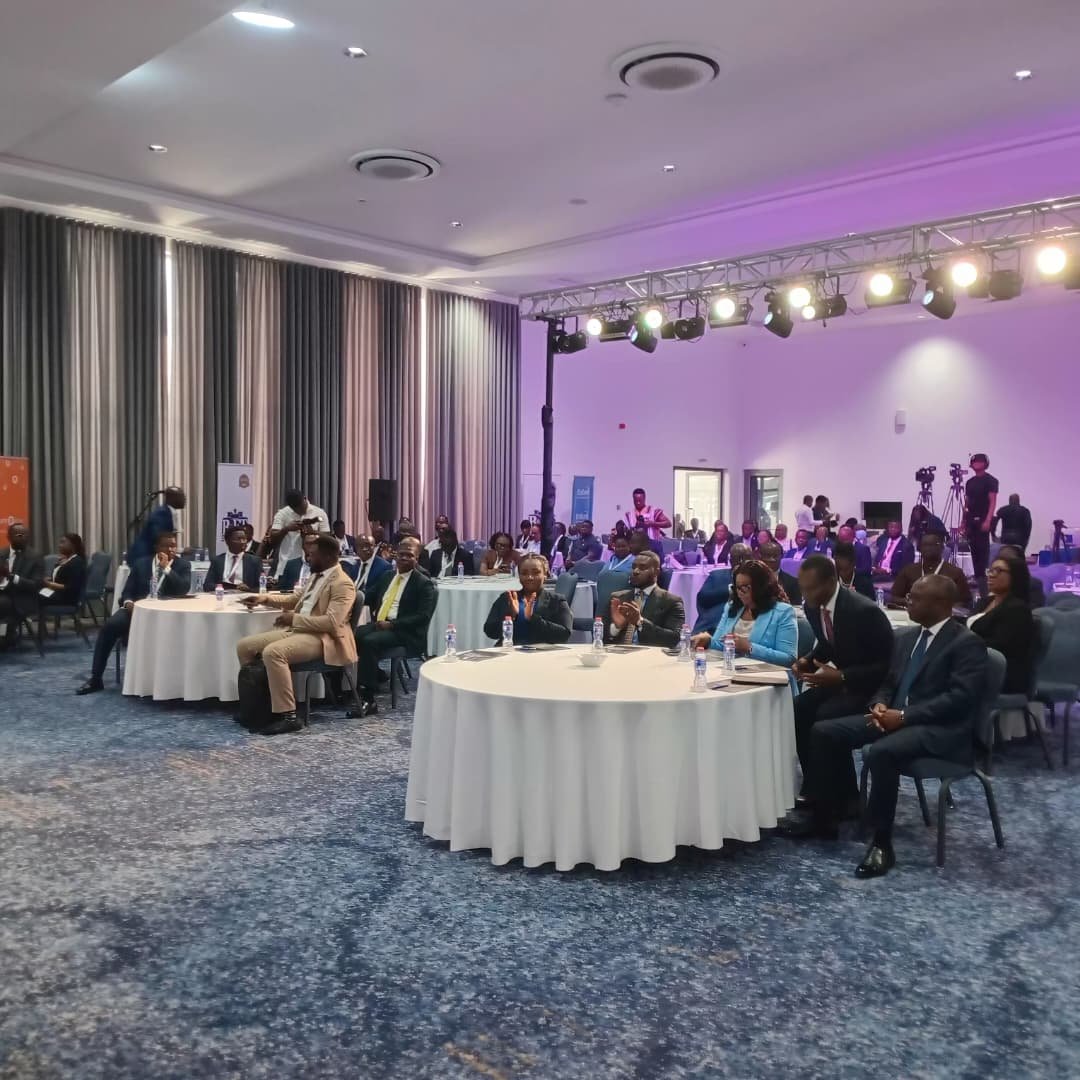
Opening the Sixth Edition of the Money Summit in Accra yesterday, organised by the Business and Financial Times (BFT) under the theme: ‘Building Trust, Capital, and Stability for Ghana’s Economic Future,’ Mrs Asante-Asiedu, said the recent economic gains must be protected through discipline, vigilance, and coordinated action among stakeholders.
She said the BoG would maintain a firm but responsive monetary policy stance aimed at anchoring inflation expectations and ensuring price stability, which she described as the foundation for lower interest rates and improved access to credit for Ghanaian businesses.
According to her, the Bank would continue to strengthen reserves through the Ghana Gold Reserve Accumulation Programme (GOLDRAP), targeting higher import cover to protect the Cedi and cushion the economy against external shocks.
She urged banks, importers, and traders to avoid speculative foreign exchange behaviour, stressing that Ghana’s macroeconomic fundamentals do not support destabilising currency bets.
Mrs Asante-Asiedu also mentioned some ongoing banking sector reforms, including recapitalisation and efforts to reduce non-performing loans to enhance financial sector resilience.
She said the bank was mobilising domestic capital through pension funds and remittances, and improve credit access through alternative credit-scoring systems.
The Head of Marketing and Brands at Ecobank Ghana in her remarks, Ms Regina Ofori, said coordinated efforts among banks, pension funds, insurance firms, and regulators were essential for sustainable economic growth.
She noted that fragmentation weakened outcomes while collaboration strengthened resilience, investment, and recovery.
According to her, stronger coordination would improve investment mobilisation, strengthen resilience against economic shocks, and support sustained growth.
Ms Regina Ofori urged stakeholders to unlock long-term capital for infrastructure financing and innovation, stressing that trusted partnerships remained critical to Ghana’s long-term economic development.
The Chief Executive Officer of the BFT, Dr Godwin Acquaye, stated that Ghana must move beyond economic recovery and focus on building a resilient and inclusive financial ecosystem.
He noted that trust, capital, and stability remained the three pillars of sustainable economic development, stressing that restoring confidence in financial institutions was crucial for attracting investment.
Dr Acquaye said that Ghana’s rural and community banking sector currently serves more than 7.5 million customers through over 550 branches and about 147 rural and community banks nationwide.
He called for practical solutions that would strengthen the financial sector and support sustainable growth.
BY KINGSLEY ASARE