


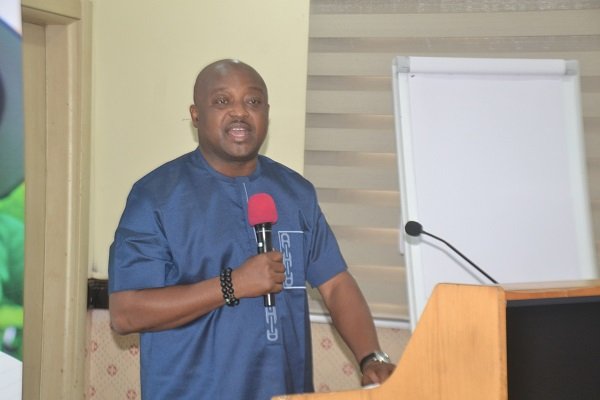
Agriculture experts, policymakers and agribusiness leaders have called for increased investment in digital technology to improve market access, reduce post-harvest losses and enhance the competitiveness of Ghana’s agricultural products on the international market.
They explained that the adoption of digital platforms would enable farmers to connect directly with buyers, boost incomes and strengthen the country’s agribusiness sector.
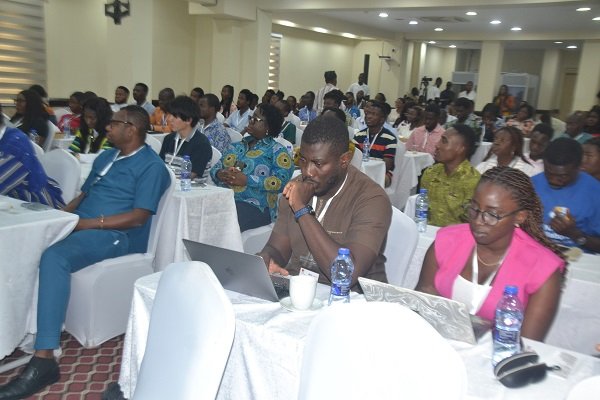
The call was made at the Nkabom Seminar Series organised by the Mastercard Foundation in partnership with the University of Ghana and McGill University under the Nkabom Collaborative initiative.
The seminar, held at the AH Hotel at East Legon last Thursday, was on the theme: ‘Digital Market Access and Export-Ready Agribusiness.’
The Upper West Regional Minister, Mr Charles Lwanga Puozuing, said digital technology had become a critical tool in transforming agriculture and improving farmers’ livelihoods.
He noted that although many farmers produced enough food, they continued to earn low incomes due to poor access to markets, inadequate storage facilities and limited market information.
Mr Puozuing said digital trading platforms, aggregation systems and real-time market data could help farmers, particularly those in remote communities—connect directly with buyers in urban centres and international markets.
He cited maize farmers in northern Ghana, who often recorded bumper harvests but were forced to sell at low prices due to the lack of storage facilities and ready markets.
The Regional Minister further stressed the need for greater investment in value addition, transportation, storage infrastructure and digital systems to help Ghanaian agricultural products meet international export standards.
A broadcast journalist and farmer, Mr Kojo Akoto Boateng, described agriculture as the backbone of every economy, noting that it provided both food and raw materials for industry.
Drawing from his experience, he said modern farming required discipline, innovation and the effective use of technology.
Mr Boateng added that digital tools had made it easier for him to manage operations on farms located in different parts of the country. He encouraged young people to venture into agribusiness by leveraging technology, innovation and effective marketing strategies.
The Founder and Chief Executive Officer of The Ghanaian Farmer Company, Ms Enyonam Manye, advised farmers to secure markets before production rather than searching for buyers after harvesting.
She emphasised that farming must be treated as a business and urged farmers to seek professional guidance from qualified agronomists instead of relying mainly on information from social media.
Ms Manye pointed out that hotels, supermarkets and export companies now demanded full traceability of food products, including details of production methods, water sources, pest control measures and professional supervision.
An agribusiness entrepreneur, Mr Stephen Nii Oblitey Ashong, popularly known as Farmer Nii, said trust remained one of the most valuable assets in agribusiness.
He said building a strong personal brand had enabled him to gain customer confidence and expand his business. He added that social media platforms such as TikTok and Instagram had become effective marketing tools for agribusinesses.
Participants agreed that stronger digital systems, improved transport networks, better market access and enhanced collaboration among government, universities, development partners and the private sector were essential to building a modern, export-ready agricultural sector.
BY ENOCH NTIAMOAH SIAW
Follow our WhatsApp Channel now! https://whatsapp.com/channel/0029VbAjG7g3gvWajUAEX12Q

