


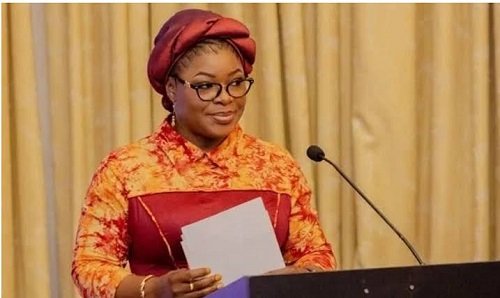
The Deputy Presidential Spokesperson, Shamima Muslim, has urged journalists to embrace innovation and emerging technologies while safeguarding the core values of accuracy, ethics and public service.
She noted that although technology and artificial intelligence (AI) were reshaping journalism and opening new avenues for storytelling and audience engagement, credibility, fairness and ethical reporting must remain central to the profession.
Speaking at the Ghana Media Summit 2026 in Accra on Friday, Ms Muslim said innovation should enhance journalism’s role in informing citizens, promoting accountability and deepening democratic participation, rather than undermine the values that have sustained public trust in the media.
She stressed that innovation must complement, not replace, credibility, explaining that the strength of journalism lay in its ability to serve the public with integrity.
Ms Muslim further emphasised that public trust remained the media’s most valuable asset, particularly in an era marked by misinformation, disinformation and growing political polarisation.
She, therefore, called on journalists to uphold accuracy, fairness and independence in their work.
She also encouraged media organisations to invest in digital transformation, strengthen fact-checking systems and equip journalists with the skills required to harness emerging technologies without compromising ethical standards.
The Executive Secretary of the National Media Commission, George Sarpong, who also addressed the summit, highlighted the crucial role of the media in safeguarding democracy at a time when disinformation was on the rise and public trust in institutions was declining.
He observed that although West Africa had made significant democratic progress over the past three decades, those gains were increasingly under threat from corruption, economic challenges, weak institutions, insecurity and the rapid spread of false information.
Mr Sarpong explained that rebuilding and sustaining democracy would require accountable leadership, strong institutions, credible elections and a free, independent and professional media capable of delivering accurate and reliable information to the public.
He further called for increased investment in media literacy, civic education and fact-checking initiatives to help counter misinformation and strengthen democratic governance across the region.
For his part, the Executive Director of the Centre for Journalism Innovation and Development, Akintunde Babatunde, said the summit underscored the need for journalists and stakeholders to rethink the future of journalism in an increasingly digital landscape.
He urged media organisations to view technological change as an opportunity to strengthen journalism and build resilient, sustainable newsrooms capable of producing quality public interest content.
Mr Babatunde also called for stronger collaboration among governments, media organisations, civil society and technology companies to combat disinformation, promote press freedom and reinforce democratic governance.
The summit brought together journalists, editors, media owners, policymakers, academics, civil society organisations and development partners from Ghana and across Africa to discuss how innovation and democratic values could shape the future of journalism and restore public confidence in the media.
BY BENEDICTA GYIMAAH FOLLEY
Follow our WhatsApp Channel now! https://whatsapp.com/channel/0029VbAjG7g3gvWajUAEX12Q

