


Families, clans and traditional authorities have been urged to establish Customary Land Secretariats (CLSs) to enhance transparency, accountability and efficiency in land transactions, in line with the Land Act, 2020 (Act 1036).
The Office of the Administrator of Stool Lands (OASL) said such a move would also help reduce land litigation and the multiple sale of lands across the country.
The Administrator of Stool Lands, Dr Gad Asorwoe Akwensivie, made the call at a two-day stakeholders’ conference on Customary Land Secretariats in Accra yesterday.
The conference, organised by the OASL in collaboration with the Lands Commission, was on the theme: “Towards Improved Customary Land Administration for Stools, Families and Clans.”
Delivering the keynote address, Dr Akwensivie explained that the establishment of CLSs was a major innovation under the Land Act, designed to support stools, families and clans to manage customary lands in a more organised, transparent and sustainable manner.
He emphasised that the secretariats were not intended to usurp the authority of traditional leaders and customary landowners, but rather to provide administrative support through proper record-keeping, documentation of land transactions and collaboration with state land institutions.
Dr Akwensivie noted that rapid urbanisation, commercial development and population growth, particularly in the Greater Accra Region, had increased pressure on customary lands, making efficient land administration more critical than ever.
He indicated that challenges such as multiple sales of the same parcel of land, inadequate documentation, boundary disputes and encroachment could be significantly reduced through well-functioning CLSs.
According to him, effective land administration would safeguard the interests of stools, families and clans, boost investor confidence, reduce litigation and contribute to sustainable national development.
He added that the OASL, in collaboration with the Lands Commission and other stakeholders, would continue to provide technical support, training and guidance to ensure the effective operation of CLSs nationwide.
The National Chairman of the Lands Commission, Dr Odame Larbi, who chaired the conference, stressed the need for stronger collaboration between traditional authorities and state institutions to improve customary land governance.
He noted that although there had been calls for the state to assume full control of land administration, experience had shown that partnership with customary landowners remained the most effective approach.
Dr Larbi urged chiefs, family heads and clan leaders to manage lands responsibly to avoid disputes and provide certainty for landowners and investors.
He also underscored the importance of proper land use planning, stressing that designated areas such as roads, parks and other public spaces must be protected from encroachment through strict adherence to approved planning schemes.
Presenting highlights of the Land Act, 2020 (Act 1036), the Greater Accra Regional Lands Officer of the Lands Commission, Dr Pius Basoah Asumadu, explained that customary land custodians acted as trustees and were therefore accountable to their communities in managing land resources.
He said the law required them to account for proceeds from land transactions, follow statutory procedures in granting leases and ensure that no lease exceeded 50 years.
Dr Asumadu further advised family and clan heads to register their customary lands with the Lands Commission by declaring their boundaries and submitting the required statutory documents to strengthen ownership records and minimise disputes.
He also encouraged stakeholders to adopt alternative dispute resolution mechanisms, describing litigation as a last resort.
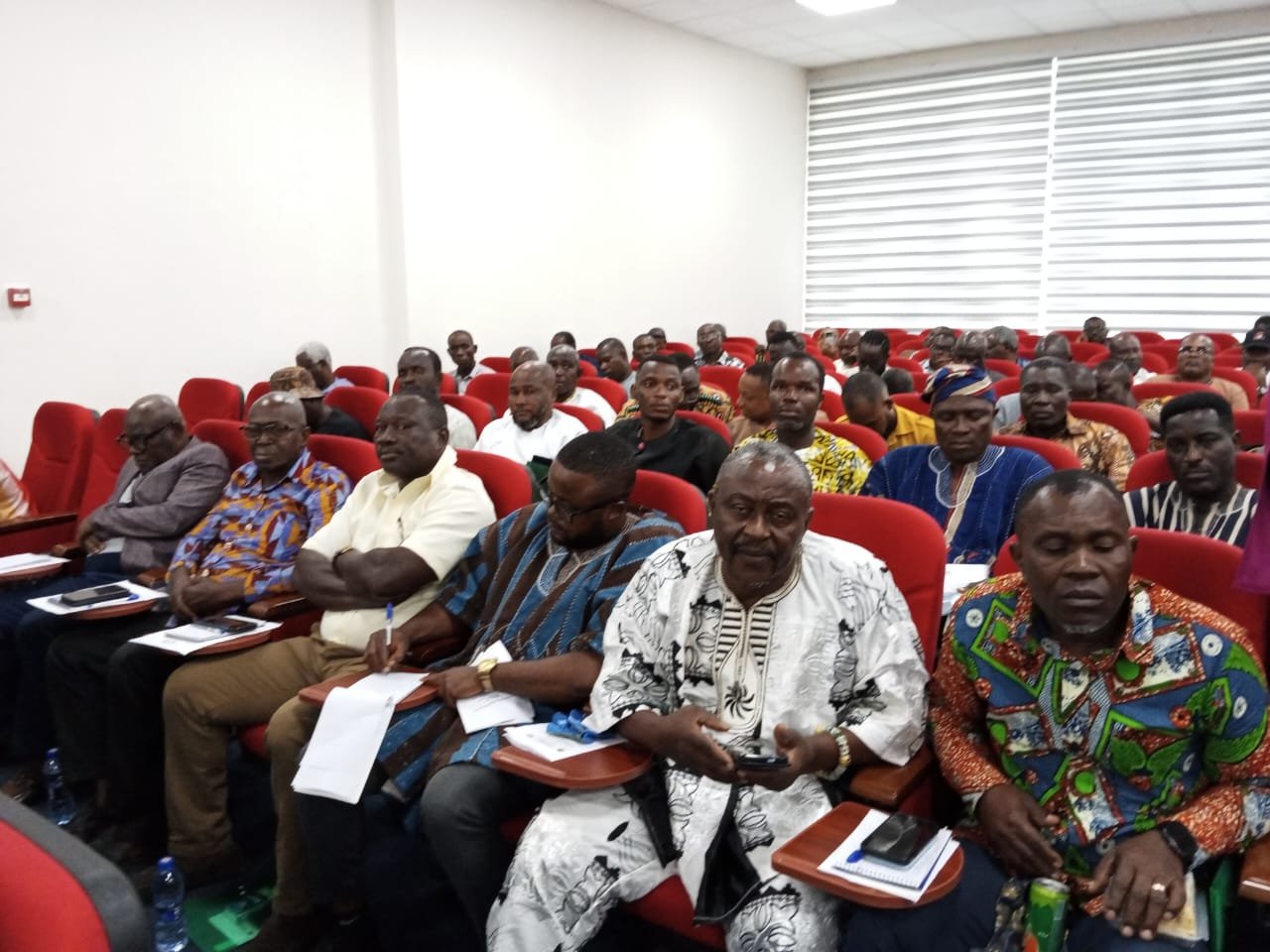
The conference brought together chiefs, family heads, clan leaders and officials from the OASL and the Lands Commission to discuss practical measures for strengthening customary land administration under the Land Act.