


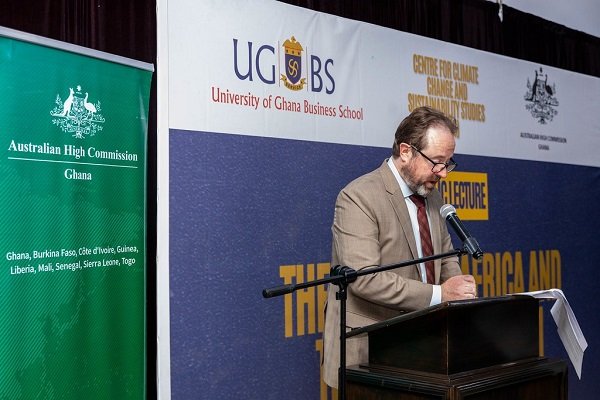
Stakeholders at a public lecture on climate change have called for stronger implementation of global climate commitments.
According to them there was the need to translate agreements and pledges into tangible benefits for vulnerable communities.
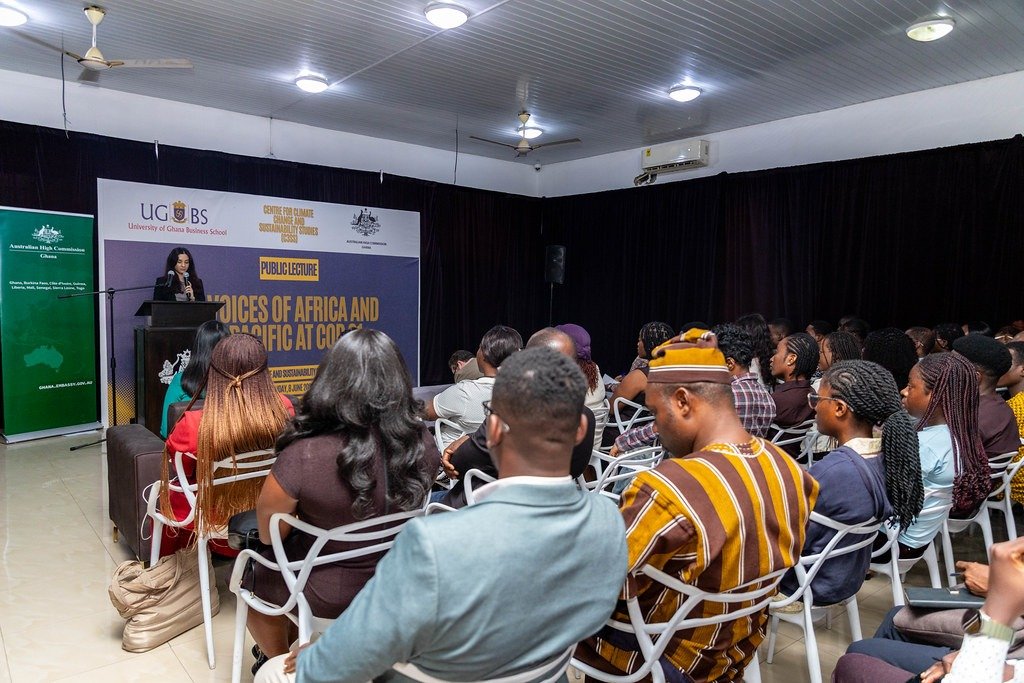
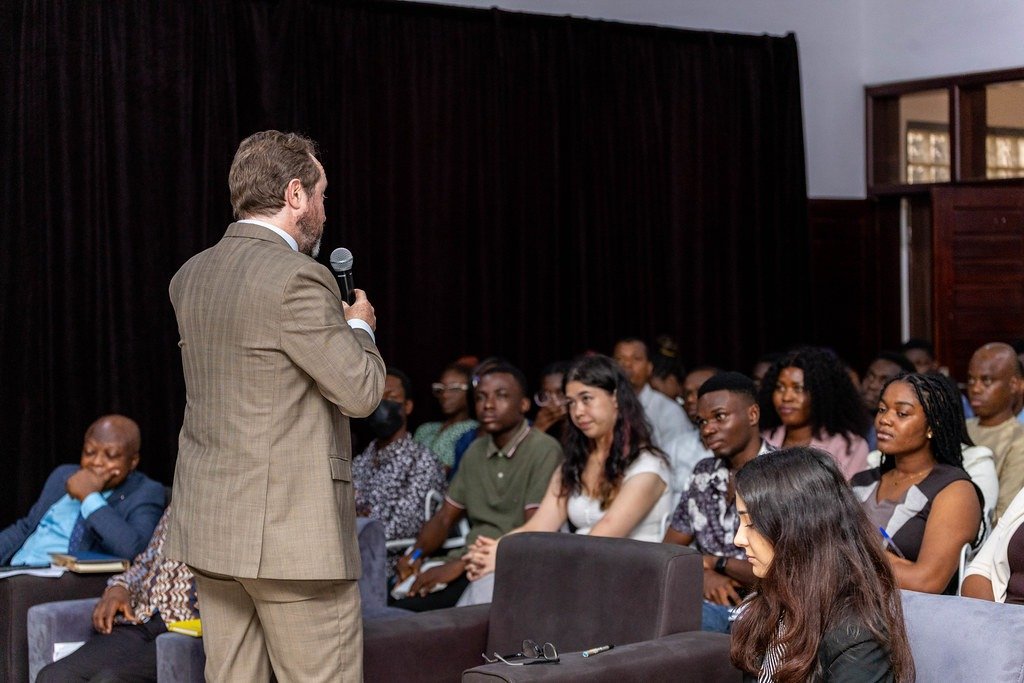
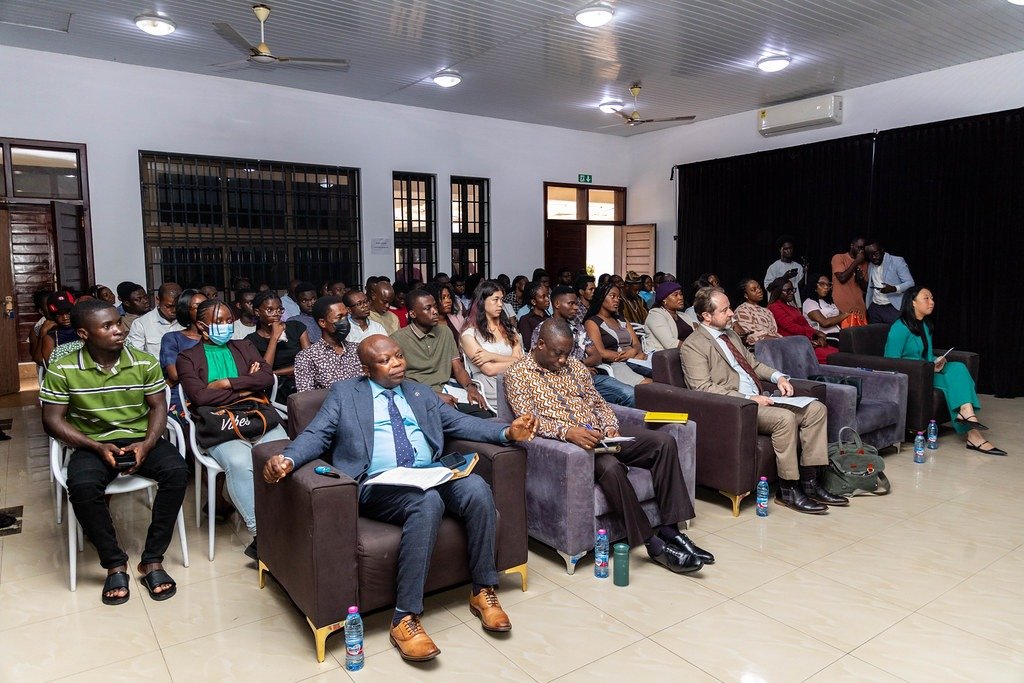
The lecture, organised by the Australian High Commission, the University of Ghana Business School (UGBS) and the Centre for Climate Change and Sustainability Studies (C3SS), was held at the University of Ghana under the theme: “The Voices of Africa and the Pacific at COP31.”
The event brought together diplomats, academics, students and climate policy experts to discuss issues relating to climate finance, regional representation and preparations towards the 31st Conference of the Parties (COP31).
Speaking at the event, a representative of the Australian High Commission and Counsellor for Climate Change Mr. Liam Cosgrave, acknowledged the difficulties many developing countries continue to face in accessing climate finance.
He identified complex application procedures, limited institutional capacity and high transaction costs as some of the major barriers preventing developing countries from accessing international climate funds.
According to him, Australia, in its role as President of the negotiations, would work with partners to simplify access mechanisms and improve coordination among stakeholders.
The Deputy Ambassador of the Republic of Türkiye to Ghana, Ms Dilara Cesar, said although the international community had made significant progress in setting climate targets over the years, greater attention must now be placed on implementation.
She noted that the success of future climate negotiations would depend on the ability of countries to convert commitments into practical actions that produce measurable outcomes.
Ms Cesar said the COP31 Presidency would focus on promoting real-economy transformation and implementation alongside negotiated outcomes.
She disclosed that Türkiye, in collaboration with the United Nations Development Programme (UNDP), was developing a Climate Action Implementation Accelerator aimed at bringing together governments, the private sector and development partners to support climate projects.
For his part, Professor Albert Ahenkan said the annual Conference of the Parties remained an important platform for mobilising climate finance for developing countries.
He stressed that successful climate negotiations were particularly important for Africa, where many communities were already experiencing the adverse effects of climate change.
Discussions also focused on the Nationally Determined Contributions (NDCs), through which countries set and report on their climate action targets under the Paris Agreement.
Participants noted that many African countries were making efforts to strengthen institutional frameworks and fulfil their climate obligations despite limited resources.
The forum underscored the need for increased support for developing countries to enable them implement climate adaptation and mitigation measures and achieve their development goals.
Participants expressed the hope that outcomes from COP31 would contribute to practical solutions that improve resilience and support sustainable development in vulnerable communities.
BY TIMES REPORTER