


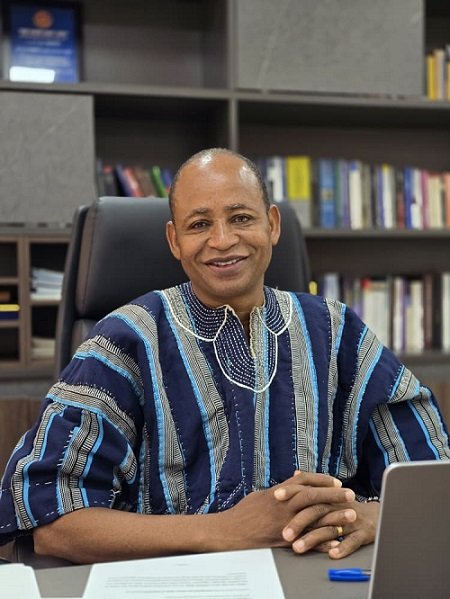
Ghana is pushing for stronger cooperation among African health regulators to ensure that healthcare professionals who cross borders remain qualified, licensed and accountable to their patients.
The Registrar of the Medical and Dental Council of Ghana, Dr Divine Banyubala, said this in an interview with The Ghanaian Times ahead of the 28th Annual Scientific Conference of the Association of Medical Councils of Africa (AMCOA).
The conference will be held on the theme: ‘Responsive Regulation for Safer Communities Towards Universal Health Coverage.’
Dr Banyubala said the increasing movement of healthcare workers across African borders made it necessary for regulators to share information about practitioners.
He said African countries must be able to verify the qualifications, licence status and professional conduct of health workers before allowing them to practise.
He said the conference would, therefore, discuss the proposed African Healthcare Regulatory Authorities Data Exchange Infrastructure, which would enable regulators to securely verify the qualifications and professional standing of healthcare workers moving across borders.
“Whilst practitioners may cross borders, patient protection must cross borders with them,” he said.
Dr Banyubala said professional mobility was not a problem, as healthcare workers had the right to seek opportunities in other countries.
The challenge, he said, was to ensure that such movement was safe, transparent and properly managed.
He said stronger cooperation among regulators would also help prevent practitioners with fake qualifications, disciplinary records or licence restrictions from moving from one country to another.
Dr Banyubala said the conference would also examine the impact of artificial intelligence, telemedicine and digital health on healthcare regulation.
“The conference will also examine the impact of artificial intelligence, telemedicine and digital health on healthcare regulation,” he said.
He said developments in healthcare required regulators to change the way they worked to ensure that patient safety was not compromised.
Dr Banyubala said universal health coverage should not only mean access to healthcare services but also access to safe and quality care.
He said there was little benefit in expanding access if practitioners were not properly trained, licensed or held accountable for their actions.
“Universal health coverage must mean universal access to safe and quality care, and not simply just universal access to care,” he said.
He said emergencies could require faster registration of health workers and task-sharing, but that should not mean abandoning patient safety or professional standards.
According to him, regulators must be flexible during emergencies without compromising safety.
Dr Banyubala said inclusive regulation did not mean lowering standards.
“It meant creating a fair and transparent system where competent professionals could be assessed without unnecessary barriers,” he said.
BY AGNES OPOKU SARPONG
Follow our WhatsApp Channel now! https://whatsapp.com/channel/0029VbAjG7g3gvWajUAEX12Q

