



Government has piloted the Integrated Bed Management and Referral Coordination (IBMRC) System, a digital bed management system, as it takes steps to end the ‘no bed syndrome’ in the country.
The pilot involved the Korle Bu Teaching Hospital, Komfo Anokye Teaching Hospital, Tamale Teaching Hospital, Greater Accra Regional Hospital at Ridge, 37 Military Hospital, the University of Ghana Medical Centre and the National Ambulance Service.
The IBMRC system is designed to identify facilities with available beds so that patients can be directed appropriately.
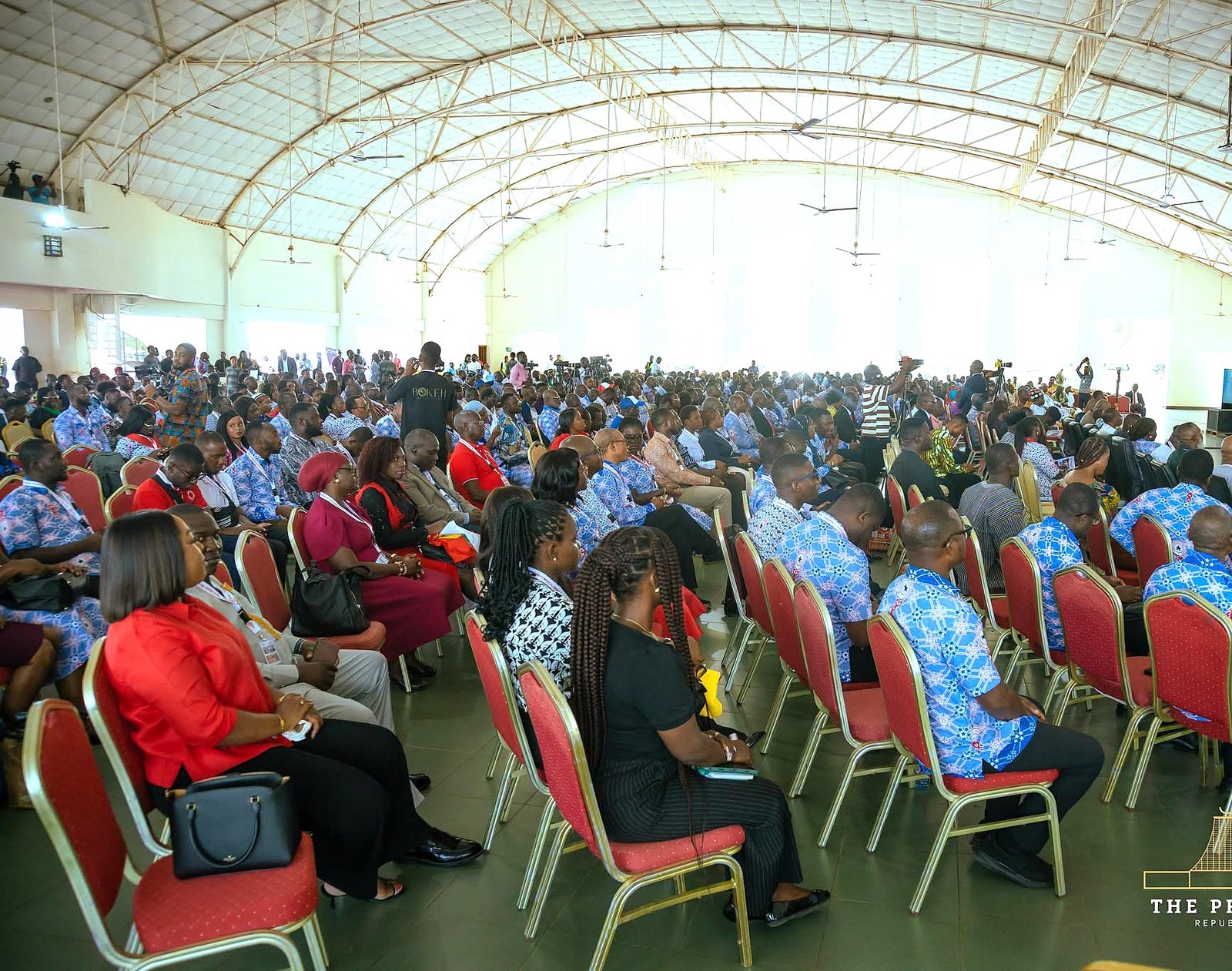
President John Dramani Mahama, who announced this at the 68th Annual General Conference of the Ghana Medical Association at Miotso on Friday, explained that the system was intended to help hospitals and ambulance teams identify facilities with the capacity to receive patients and coordinate their transfer.
For it to serve that purpose, the information must reflect the actual clinical capacity available at each facility, the President added.
“For instance, Korle Bu Teaching Hospital has a functional bed capacity of 1,500, but its Accident and Emergency Department has only 65 beds. That capacity falls well short of the demands placed on the teaching hospital. We are, therefore, implementing measures to expand emergency bed capacity to at least 10 per cent of each facility’s functional bed capacity.
“At Korle Bu, for example, achieving this target would mean more than doubling the current emergency bed capacity from 65 to at least 150 beds,” he further elucidated.
Work, he emphasised, would begin next year on the expansion of Accident and Emergency Centres at Korle Bu, Komfo Anokye, Tamale Teaching Hospitals and the 37 Military Hospital to achieve the 10 per cent target.
The expansions, the President noted, would be matched with the necessary staff, equipment, oxygen and essential supplies to make the additional capacity fully operational.
Under no circumstance, the President said, should a patient be turned away by a healthcare facility for lack of a bed.
“When a patient arrives in critical condition, we cannot simply say, ‘No bed, no bed, go somewhere else’. At the very least, the patient must be assessed. If the facility can provide stabilisation, it must do so before arranging a transfer to another hospital that can provide the required treatment.”
On healthcare staffing, he indicated that the Ghana Armed Forces Critical Care and Emergency Hospital had been opened to the general public to bring military and civilian health services into closer cooperation.
The President said more than 20,000 nurses had been recruited in the last two years, with an additional 8,000 to be recruited by the end of this year and 16,000 planned for recruitment next year.
“These steps form part of our commitment to regularise the annual recruitment of health workers. In the past, some cadres of the health profession, including pharmacists and allied health workers, have had to wait as long as five years for a single recruitment exercise. A regular annual recruitment cycle will help facilities plan their services and give qualified professionals greater certainty about their entry into the public health service,” he elaborated.
BY JULIUS YAO PETETSI
SKIP THE QUEUE, TAP THE NEWS


Read the Ghanaian Times and The Spectator newspapers from the comfort of your device via TimesNewsPlus.
Follow our WhatsApp Channel now! https://whatsapp.com/channel/0029VbAjG7g3gvWajUAEX12Q

