


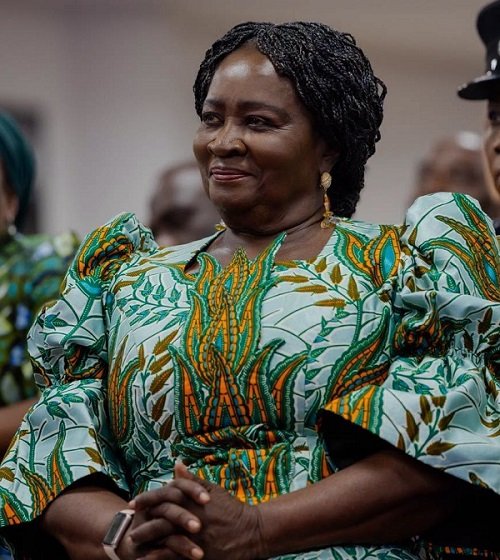
Metropolitan, Municipal and District Chief Executives (MMDCEs) will now be assessed based on sanitation performance, the Vice-President, Professor Naana Jane Opoku-Agyemang, has announced.
She said Metropolitan, Municipal and District Assemblies would be required to demonstrate measurable improvements in cleanliness and waste management in their respective areas.
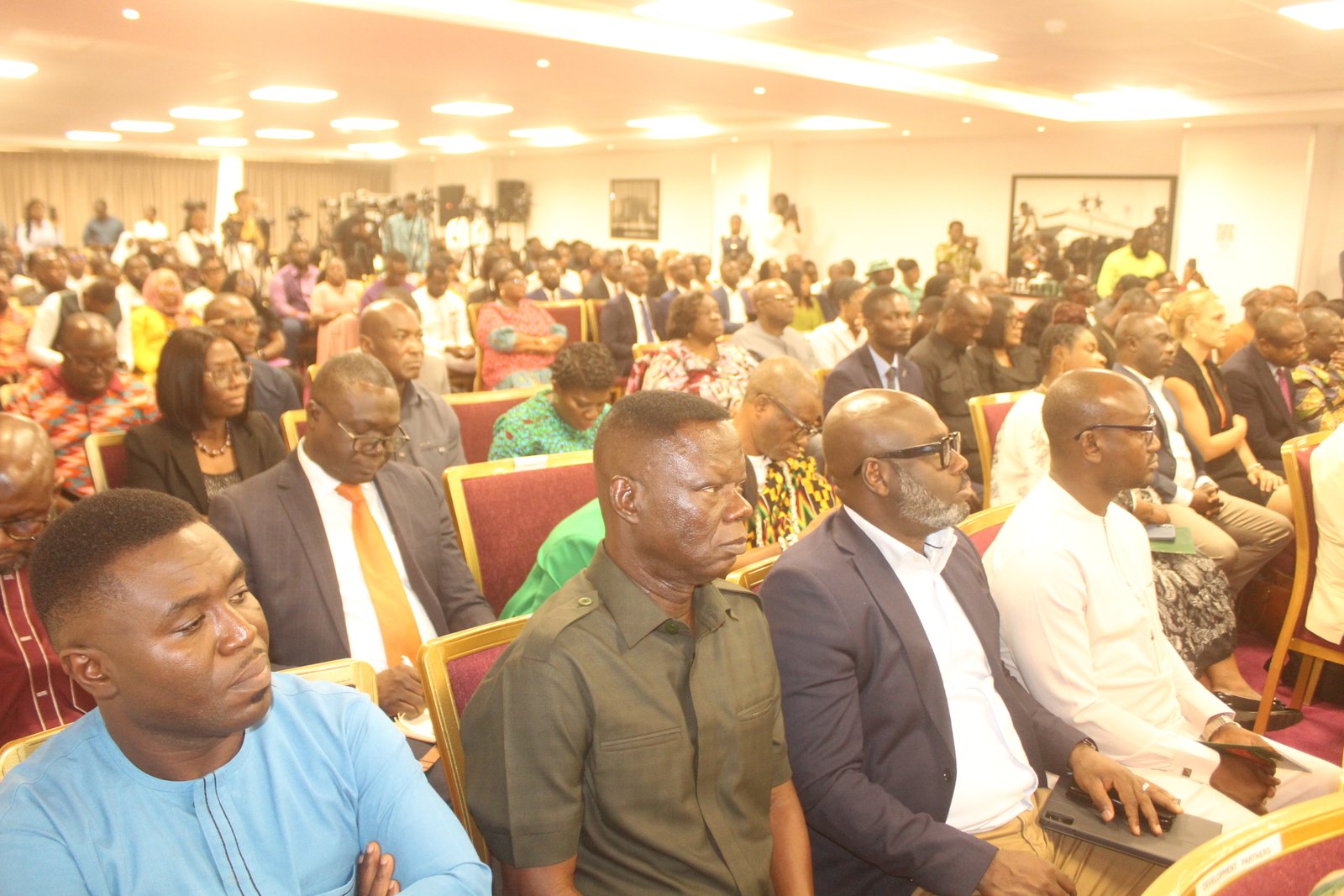
Speaking at the second National Dialogue on Decentralisation and Responsive Governance, held in Accra yesterday, Prof. Opoku-Agyemang said recent floods in parts of the country had exposed serious weaknesses in waste management, sanitation and the enforcement of environmental standards.
She stressed that the situation called for stronger local leadership, enhanced accountability and active citizen participation.
The Vice President said the government was prioritising environmental health and sanitation as part of efforts to strengthen local governance.
She explained that the proposed District Environment, Health and Sanitation Department would give assemblies greater responsibility in managing sanitation and environmental health issues, thereby improving accountability at the local level.
Prof. Opoku-Agyemang also indicated that the government was intensifying monthly clean-up exercises under the Clean Up Ghana campaign, but cautioned that cleanliness must not be treated as a once-a-month activity.
She further called for improved public access to information on the impact of decentralisation, urging organisers of exhibitions at the dialogue to include data on jobs created, tourism sites, agricultural activities, training programmes and other achievements by assemblies.
She suggested that such information could also be presented through films and digital platforms to help deepen public understanding of local governance.
On decentralisation reforms, the Vice President said the government had increased the proportion of the District Assemblies Common Fund transferred directly to assemblies.
She added that efforts were ongoing to deepen the devolution of functions in key sectors such as education, health and roads.
According to her, the Inter-Ministerial Coordinating Committee on Decentralisation had also been re-energised to improve coordination of reforms.
Prof. Opoku-Agyemang said the National Decentralisation Policy and Strategic Framework (2026–2030) would guide efforts to strengthen local governance, improve service delivery and accelerate development.
She called on traditional leaders, civil society organisations, development partners and citizens to support the policy.
The two-day event was attended by ministers of state, development partners, regional ministers, among other dignitaries.
BY AGNES OPOKU SARPONG
Follow our WhatsApp Channel now! https://whatsapp.com/channel/0029VbAjG7g3gvWajUAEX12Q

