


A new decentralisation policy to guide the development of the country is in the offing as government moves to deepen democratic governance, improve public service delivery and accelerate local level development.
The National Decentralisation Policy and Strategic Framework (NDPS) 2026-2030 is expected to provide a comprehensive roadmap for strengthening local governance systems, enhancing citizen participation and promoting accountable leadership at the grassroots level.
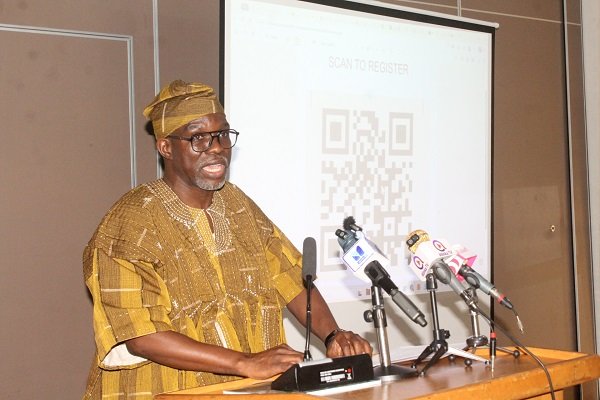
The Executive Secretary of the Inter-Ministerial Coordinating Committee (IMCC) on Decentralisation Secretariat, Dr Gameli Hoedoafia, disclosed this at a media workshop on decentralisation for some selected journalists held in Accra yesterday.
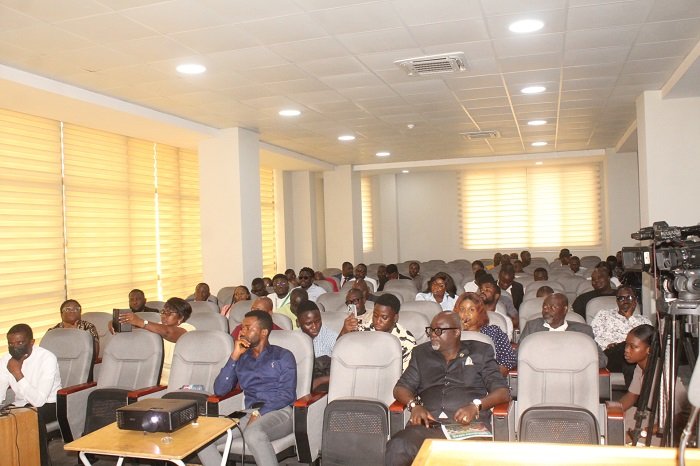
The workshop, organised by the Office of the Head of Local Government Service, was on the theme: ‘Advancing Ghana’s Decentralisation Agenda: The Role of the Media in Promoting Decentralisation and Accountable Local Governance.’
Dr Hoedoafia explained that the NDPS 2026-2030 represented a renewed national commitment to strengthening accountable public service delivery and empowering communities through an inclusive local governance system.
He said the policy sought to reposition decentralisation as the foundation for democratic participation, responsive governance and resilient communities.
“Governance must be brought closer to the people. This requires institutions that are efficient, participatory, accountable and responsive to the needs of citizens,” he stressed.
Dr Hoedoafia noted that the media occupied a strategic position in Ghana’s governance ecosystem, serving as a bridge between government and citizens through civic education and public engagement.
He, therefore, called on journalists to support efforts at promoting awareness on the functions of Metropolitan, Municipal and District Assemblies (MMDAs), fiscal decentralisation, local participation mechanisms and development planning.
According to him, the spotlight must increasingly be placed on local authorities and functional agencies rather than always focusing attention on ministers at the national level.
“For decentralisation reforms to succeed, citizens must own the process, and the media has a critical role in sustaining informed national dialogue on local governance,” he added.
The Head of the Local Government Service, Professor Lord Mensah, in his remarks, said the office was responsible for administrative decentralisation through the recruitment and management of staff of the assemblies.
He observed that decentralisation reforms over the years had often been influenced by changing political regimes, resulting in cyclical implementation challenges.
Professor Mensah said Ghana’s long-term objective remained the attainment of full fiscal and administrative decentralisation where assemblies would become financially autonomous and capable of recruiting their own staff.
He explained that local economic development and efficient revenue mobilisation would be crucial in achieving fiscal decentralisation.
A Member of the IMCC Technical Committee, Dr Esther Offei Aboagye, who made a presentation on the NDPS 2026-2030, said the new framework was developed after extensive consultations and review of previous decentralisation policies.
She stated that the policy was built around six thematic areas namely political decentralisation, administrative decentralisation, fiscal decentralisation, decentralised planning, local economic development and popular participation.
Dr Aboagye explained that the framework was aligned with Ghana’s medium-term development agenda and the Sustainable Development Goals (SDGs).
She said the policy aimed at creating a transformed and inclusive local government system capable of delivering equitable development across the country.
Dr Aboagye further underscored the need for attitudinal change among local government actors, increased citizen participation and the adoption of technology to improve accountability and service delivery.
Dr Aboagye urged the media to remain active partners in promoting decentralisation reforms and enhancing citizen engagement in local governance.
BY KINGSLEY ASARE & JULIUS YAO PETESI
Follow our WhatsApp Channel now! https://whatsapp.com/channel/0029VbAjG7g3gvWajUAEX12Q

