


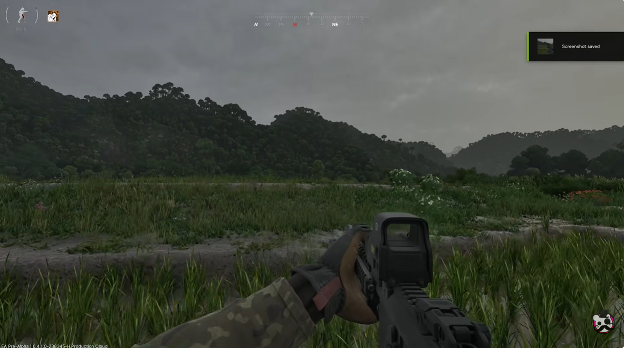
You’re getting wrecked in Gray Zone Warfare. One second you’re looting, the next you’re staring at a death screen.
The 0.4 update changed everything. AI respawns every 15 minutes now. Darkness actually matters. And if you’re still rushing in like it’s Call of Duty, you’re bleeding cash on respawn fees.
Here’s what actually works after 200+ hours in both PvE and PvP modes.
The One Thing Everyone Gets Wrong About GZW Combat
Most players think Gray Zone Warfare rewards aggression. It doesn’t.
This game punishes impatience harder than any tactical shooter out there. Rush a compound? Dead. Sprint down a road? Dead. Stand up during a firefight? You guessed it.
The meta is simple: slow wins raids.
That boring advice your squad ignores? It’s keeping experienced players alive while you’re watching respawn timers. The community on Reddit constantly hammers this point, and there’s a reason why.
Fire Mode Selection: Your First Decision Every Fight
Single-fire for anything beyond 50 meters. Full-auto only when someone’s breathing down your neck.
The recoil system in GZW is brutal. Holding down the trigger turns your AK into a lawn sprinkler. At 200+ meters, you need that ACOG or Elcan scope on semi-auto mode to land consistent headshots.
Close quarters is different. Full-auto makes sense when you’re clearing rooms or getting rushed. But even then, controlled bursts beat spray-and-pray.
Stance Matters More Than Your Gun
Press ‘V’ before every engagement. Going prone or crouching cuts your recoil dramatically and makes you harder to spot.
Standing fights are for emergencies only. The accuracy penalty isn’t worth it unless you absolutely need the mobility to reposition.
Here’s the movement hierarchy: prone for long-range sniping, crouch for medium-range battles, stand only when relocating between cover. Your K/D ratio will thank you.
The Darkness Meta Everyone’s Sleeping On
Shoot out every light before entering buildings. Hit fuse boxes. Pop generators. The 0.4 update made darkness your best friend.
Once it’s pitch black, slap on your night vision and pick enemies off one by one. They’re blind. You’re not. It’s almost unfair how effective this is for solo players.
This tactic works especially well at Fort Narith and other high-traffic zones where everyone expects lit-up firefights.
Ammo Management: The Skill Nobody Teaches
Carry 7.62mm platforms whenever possible. It’s everywhere—on dead enemies, in loot spawns, sold by vendors.
Running out of rounds mid-fight? Check bodies for compatible ammo. That AK user you just dropped probably has mags you can use.
Keep emergency supplies in your secure container: an extra mag, M-FAK for healing, and anything task-related you can’t afford to lose.
Sound is Information
Footsteps reveal everything in this game. Move through bushes at crawl speed for silent approaches.
AI patrols follow predictable paths. Listen for their movement patterns, then isolate stragglers at patrol edges. Clean kills without alerting the entire compound.
PvP is different. Squads coordinate with callouts. When you hear multiple players, assume they know your position the moment you fire.
The Tracker Revenge System
Attach trackers to your valuable gear before risky raids. When someone kills you and takes your stuff, you’ll know exactly where they are.
It’s petty. It’s effective. And it turns every death into a potential comeback story.
High-value PvP gear deserves this treatment. That thermal scope or modded rifle? Track it.
Cover Mechanics and Angle Holding
Never peek the same angle twice. Reposition after every shot when facing competent players.
Use cover to slice the pie—expose only what you need to see your target. Pre-fire common positions when entering rooms.
The game rewards patient angle holding. Pick a strong defensive position and make attackers come to you. They’re at the disadvantage.
Medical Prep Wins Firefights
Load your M-FAK before fighting starts. Eat and drink for stamina buffs.
Running into combat with red health bars is asking for a trip back to base. Top off everything before engagement zones.
Your secure container should always hold medical supplies. Tasks can wait. Staying alive can’t.
Extraction Timing: The Final Test
Call the helicopter but don’t rush to the landing zone. Scout the perimeter first.
Yellow-locked zones mean active players. Wait them out or find alternate routes. Getting ganked at extraction after a successful raid is the worst feeling in this game.
Enter the extraction helicopter last. Let others board first while you provide overwatch.
PvE vs PvP: Different Games Entirely
PvE is methodical. AI follows patterns. Learn patrol routes, abuse respawn timers, and headshot from concealment.
PvP demands adaptability. Squads coordinate. Players use the map to track enemy factions. Your stealth approach matters less when opponents have comms.
Switch your loadout based on mode. Budget Mosin builds work for PvE. PvP needs proper armor and full-auto capability.
Tools That Complement Skill
Master these fundamentals first. Stance control, ammo management, sound discipline—these separate average players from dominant ones.
Once you’ve got the basics locked in, enhanced tools can multiply your effectiveness. Battlelog offers features like ESP for spotting patrol routes and radar for timing your rotations around other players.
Think of enhancements as skill multipliers, not shortcuts. They work best when your fundamentals are already solid.
Your Next Steps
Pick three tactics from this list. Focus on stance optimization, darkness exploitation, and sound discipline first.
Run ten raids focusing only on these skills. Ignore loot. Ignore tasks. Just practice staying alive longer than your last attempt.
Gray Zone Warfare rewards patient players who master positioning and timing. Rush less, observe more, and watch your survival rate climb.
The 0.4 update made stealth viable again. Use it.