



The Executive Director for the Centre for Policy Scrutiny, Dr Adu Owusu Sarkodie, has called for the integration of the 24-Hour Economy Policy into the medium-term development framework of the National Development Planning Commission (NDPC) to ensure sustainability and continuity of the initiative.
According to him, aligning the policy with national priorities and fiscal programmes would not only eliminate duplication across public interventions but also enhance policy coherence and resource efficiency.
“The programme’s emphasis on value chain development and export competitiveness aligns with Ghana’s pursuit of long-term transformation. However, its success will depend not only on vision but also on coherence and efficiency to minimise implementation and fiscal risks,” he stressed.
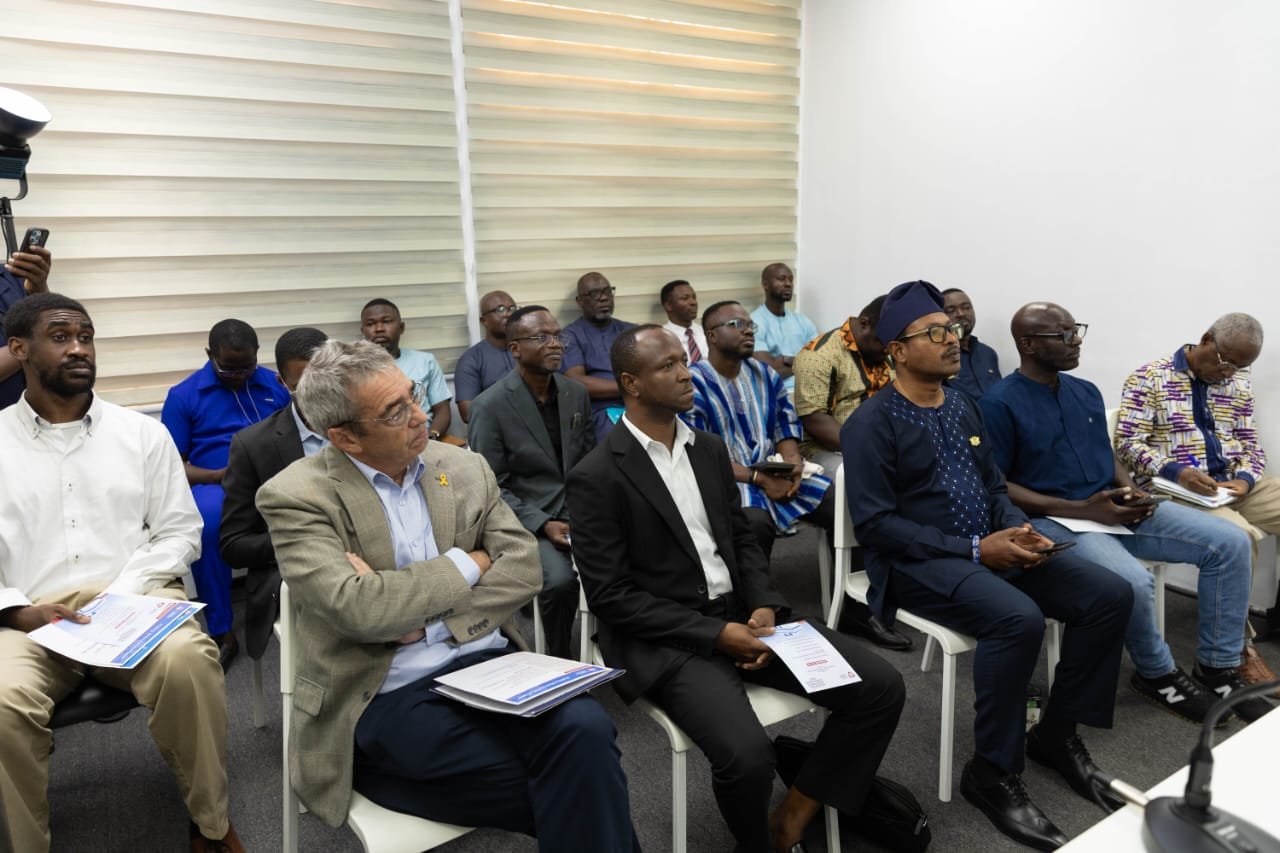
Speaking at the Centre’s maiden Policy Discussion Paper Series in Accra yesterday, Dr Sarkodie said the 24-Hour Economy Policy document reflected the government’s drive to build a stronger, diversified, and job-rich economy.
He, however, noted that since the policy overlapped with previous economic strategies, government institutions must undertake structured learning exercises to consolidate past gains.
“Such a process will enhance institutional memory and improve delivery capacity,” he added.
To strengthen credibility and effective implementation, Dr Sarkodie proposed that government should publish detailed cost estimates for the 24H+ initiative and adopt a phased fiscal approach.
He said this approach should prioritise interventions based on their impact and feasibility, ensure alignment between expenditure and available resources, and clearly outline funding sources and timelines.
“Such transparency will support budget discipline, boost stakeholder confidence, and reduce the risk of fiscal overextension,” he said.
Dr Sarkodie further recommended that all major interventions under the 24H+ be subjected to robust cost-benefit appraisals before rollout, to justify public investments and direct resources toward high-impact, scalable initiatives.
He also called for a comprehensive review of tax incentives under the policy to ensure they are strategically targeted toward sectors with high productivity, export potential, and employment prospects — a move he said would minimise revenue leakage and attract credible private sector participation.
Additionally, he underscored that the policy’s infrastructure goals — particularly those involving transport, industrial zones, and logistics — must be backed by increased public capital expenditure to prevent implementation risks and sustain transformation.
Meanwhile, Dr Ishmael Nii Dodoo, Director and Head of Partnerships and Markets at the 24-Hour Economy Secretariat, revealed that the policy had already started yielding results, with several funding agreements secured.
He disclosed that the Secretariat had signed a $500 million agreement with BADEA International Bank and a €40 million programme with UNDP to support agri-tech initiatives scheduled to commence next month.
“We have close to nine strategic, bankable projects currently under pre-feasibility studies. We are also creating a special purpose vehicle with GIF to attract further investments,” Dr Dodoo said.
BY CLIFF EKUFUL