


JOURNALISTS have been urged to sharpen their understanding of Ghana’s climate commitments to enable them better report on the growing impact of climate change on water, sanitation and hygiene (WASH) services.
The call was made at the training organised via Zoom by WaterAid Ghana for members of the Ghana Water Journalists Network (GWJN) in Accra.
It was focused on unpacking Nationally Determined Contributions (NDCs) and the National Adaptation Plan (NAP), and how they directly relate to the country’s water systems and the lives of ordinary Ghanaians.
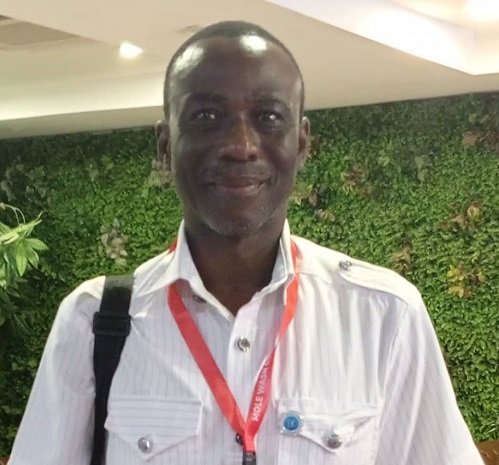
In a presentation, the Head of Strategy, Policy and Campaigns at WaterAid Ghana, Mr Ibrahim Musah, said climate change should not be seen as a far-off environmental problem, but as a water crisis that is already impacting communities.
“Climate change is a water story. Many communities are already experiencing it through water shortages, floods and unsafe water sources,” he said.
He explained that rising temperatures, erratic rainfall patterns, prolonged droughts and frequent flooding were placing enormous pressure on Ghana’s water systems, particularly in vulnerable and underserved areas.
According to Mr Musah, journalists have a responsibility to monitor Ghana’s climate commitments under the Paris Agreement and track whether the country was delivering on its promises.
He noted that a clear understanding of NDCs and NAPs would equip reporters to follow progress toward Ghana’s 2030 climate targets and hold duty-bearers accountable.
“Many citizens do not know what Ghana has committed to under its climate plans or how those commitments affect their daily access to water and sanitation,” he said. “That is where the media becomes critical.”
He explained that Ghana’s NDC primarily outlines strategies to reduce greenhouse gas emissions across key sectors of the economy, while the National Adaptation Plan launched on December 15, 2025, focuses on building resilience and helping the country adapt to climate risks in the medium to long term.
With updated global climate commitments, known as NDC 3.0, expected in 2025, Mr Musah encouraged journalists to deepen their knowledge and ensure that climate reporting goes beyond general narratives to include policy tracking and impact analysis.
Mr Musah assured participants that his outfit would continue to build the capacity of media practitioners to strengthen climate reporting, particularly on water and sanitation issues.
Mr Justice Adoboe, Coordinator GWJN, said stories should show how issues like rising temperatures, erratic rainfall and flooding directly affect farmers, fishermen and urban communities.
He also emphasised the importance of highlighting solutions alongside challenges.
“Stories that focus only on disasters can leave the public feeling helpless, while coverage of local innovations, renewable energy projects, and policy measures can inspire hope and action,” he stated.
BY BENEDICTA GYIMAAH FOLLEY
Join our WhatsApp Channel now! GHANAIANTIMES OFFICIAL WHATSAPP CHANNEL

