


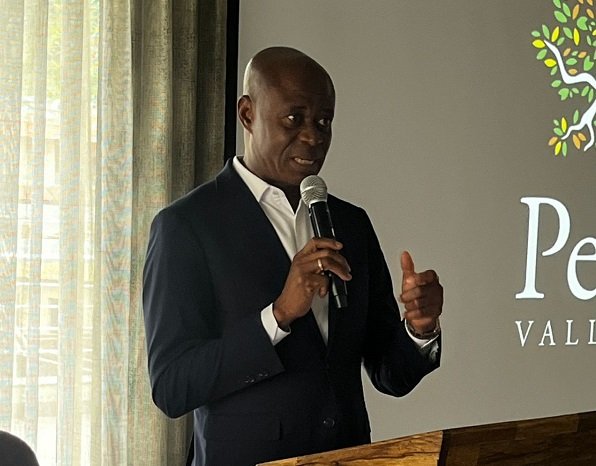
The Deputy Minister of Lands and Natural Resources, Yusif Sulemana, has emphasised the crucial role of the media in shaping Ghana’s mining sector, stressing that the ongoing review of the Minerals and Mining Policy cannot be complete without their input.
He explained that the media’s varied experiences and expertise make them indispensable stakeholders in the amendment process, adding that government wants all Ghanaians to have a sense of ownership in the new mining framework.
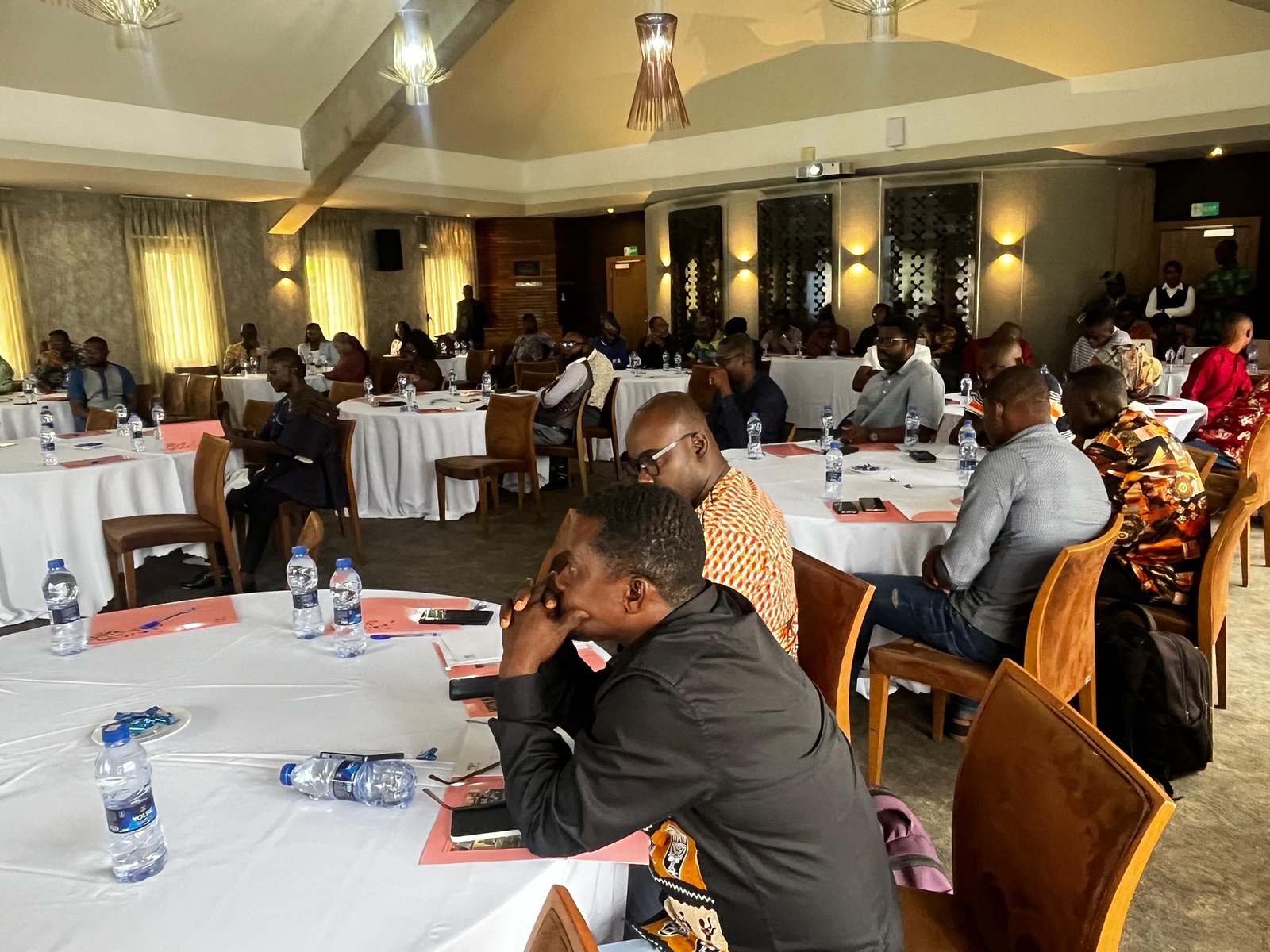
Mr Sulemana made these remarks on Monday at Aburi in the Eastern Region during a media training and consultation on the review of the Minerals and Mining Policy, organised by the Ministry of Lands and Natural Resources through the Minerals Commission.
The programme sought to draw contributions from the media towards updating the policy to reflect current realities in the mining sector.
Outlining the evolution of Ghana’s mining laws, the Deputy Minister noted that the country had moved from colonial-era regulations favouring foreign interests to post-independence policies prioritising national ownership.
He cited milestones such as the Minerals Act of 1962, the mining reforms of 1986 under the economic recovery programme, and the Mineral Development Fund Act of 2016, which channels royalties to mining communities.
While these reforms had shaped the sector, he stressed that the time had come to amend existing laws to tackle illegal mining and strengthen state participation in mineral exploitation.
The Chief Executive Officer of the Minerals Commission, Martin Kwaku Ayisi, said addressing illegal mining, popularly known as galamsey, requires properly mapped concessions for small-scale miners.
He explained that most of the challenges in the subsector stem from the absence of clearly defined areas for operators, stressing that about 90 per cent of the solution lies in geological investigations.
“We have to geologically undertake investigations in those block areas that have been designated by the Minerals Commission. If we are able to get places for them to work, then I can say 70 per cent of the problem is solved, because you know where they are and can regulate them properly,” he said.
Mr Ayisi disclosed that the Commission, working with the University of Mines and Technology (UMaT) and the Geological Survey Authority, had begun such investigations but stressed the need to scale up to meet rising demand.
He added that the review of both the 2014 Minerals and Mining Policy and the nearly 20-year-old Minerals and Mining Act will align the sector with global practices, promote medium-scale mining, and guarantee stronger benefits for host communities.
The President of the Ghana Journalists Association (GJA), Albert Dwumfour, also renewed calls for the repeal of L.I. 2462, the Environmental Protection (Mining in Forest Reserves) Regulations, 2022, which permits mining in forest reserves under certain conditions.
He further backed demands for a state of emergency on polluted water bodies, describing such action as “better late than never.”
He reiterated the media’s vital role in the review process and pledged the GJA’s commitment, through the Ghana Coalition Against Galamsey, to drive public education and advocacy on responsible mining.