


The Ghana Association of Urological Surgeons (GAUS) has raised concern over the acute shortage of urologists in the country.
It warned that the situation is placing enormous pressure on the few specialists available.
Currently, Ghana has only 94 urologists, made up of 75 practising specialists and 19 on internship.
The association said the shortfall was undermining access to quality care, particularly for men with reproductive health conditions.
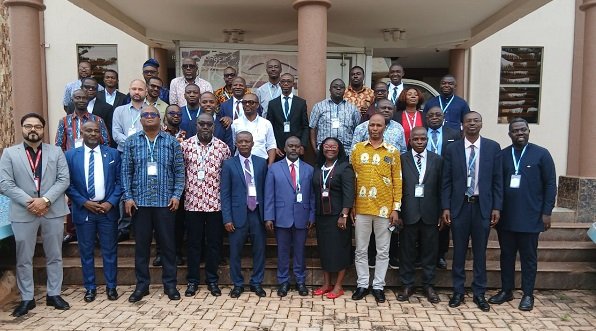
Speaking at the 17th Annual General and Scientific Meeting (AGM) of the association in Sunyani, the President of GAUS, Professor Kwaku Addae Ntim Appiah, said some health facilities had only one urologist attending to more than 150 patients.
He added that many hospitals also lacked the microsurgical equipment needed to perform specialised procedures.
The meeting, held on the theme: “Male factor infertility: Recent advances,” reviewed the association’s performance over the past year and provided a platform for members to share knowledge, discuss emerging trends and develop strategies to improve urological care.
Prof. Ntim Appiah said training urologists was capital-intensive and called on relevant institutions and non-governmental organisations to support efforts to build capacity in the field.
He stressed that male infertility deserved the same level of attention, dignity and scientific focus as other health conditions within the country’s healthcare system.
Prof. Ntim Appiah called for intensified public education to encourage men to seek early medical attention, while advocating improved access to specialised healthcare services.
He further urged stronger collaboration among the Ghana Health Service, the Christian Health Association of Ghana and the National Health Insurance Scheme to enhance the diagnosis and treatment of male infertility and other urological conditions.
According to him, men account for about 58 per cent of infertility cases, compared to 42 per cent among women, yet cultural stigma continues to discourage many men from seeking care.
He attributed many cases of male infertility to environmental factors such as pesticides, agrochemicals, heavy metals, air pollution and plastics.
Prof. Ntim Appiah advised men to undergo early screening, adopt healthier lifestyles and seek prompt treatment to improve their reproductive health.
He said men should treat semen analysis and regular urological check-ups with the same importance as blood pressure checks.
He also encouraged the consumption of fertility-friendly foods such as green leafy vegetables, including kontomire and spinach, legumes and fruits.
In a welcome address, the Bono Regional Director of Health Services, Dr Abdulai Abubakhar, identified gaps in the quality and timeliness of care, limited access to specialised diagnostic services and inadequate healthcare infrastructure as major challenges facing the sector.
He called for the establishment of urological centres across underserved regions and urged the training of more healthcare professionals in the recognition and management of urological conditions, particularly male infertility.
FROM DANIEL DZIRASAH, SUNYANI
Follow our WhatsApp Channel now! https://whatsapp.com/channel/0029VbAjG7g3gvWajUAEX12Q

