


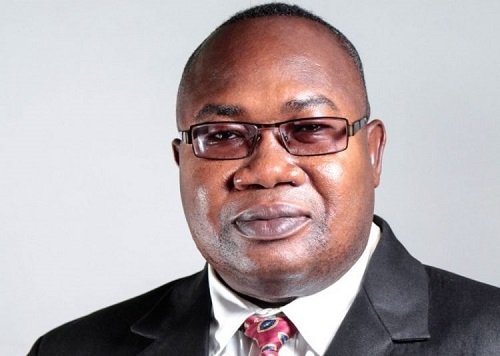
Families who lose loved ones due to the so-called “no bed syndrome” have been urged to seek legal redress.
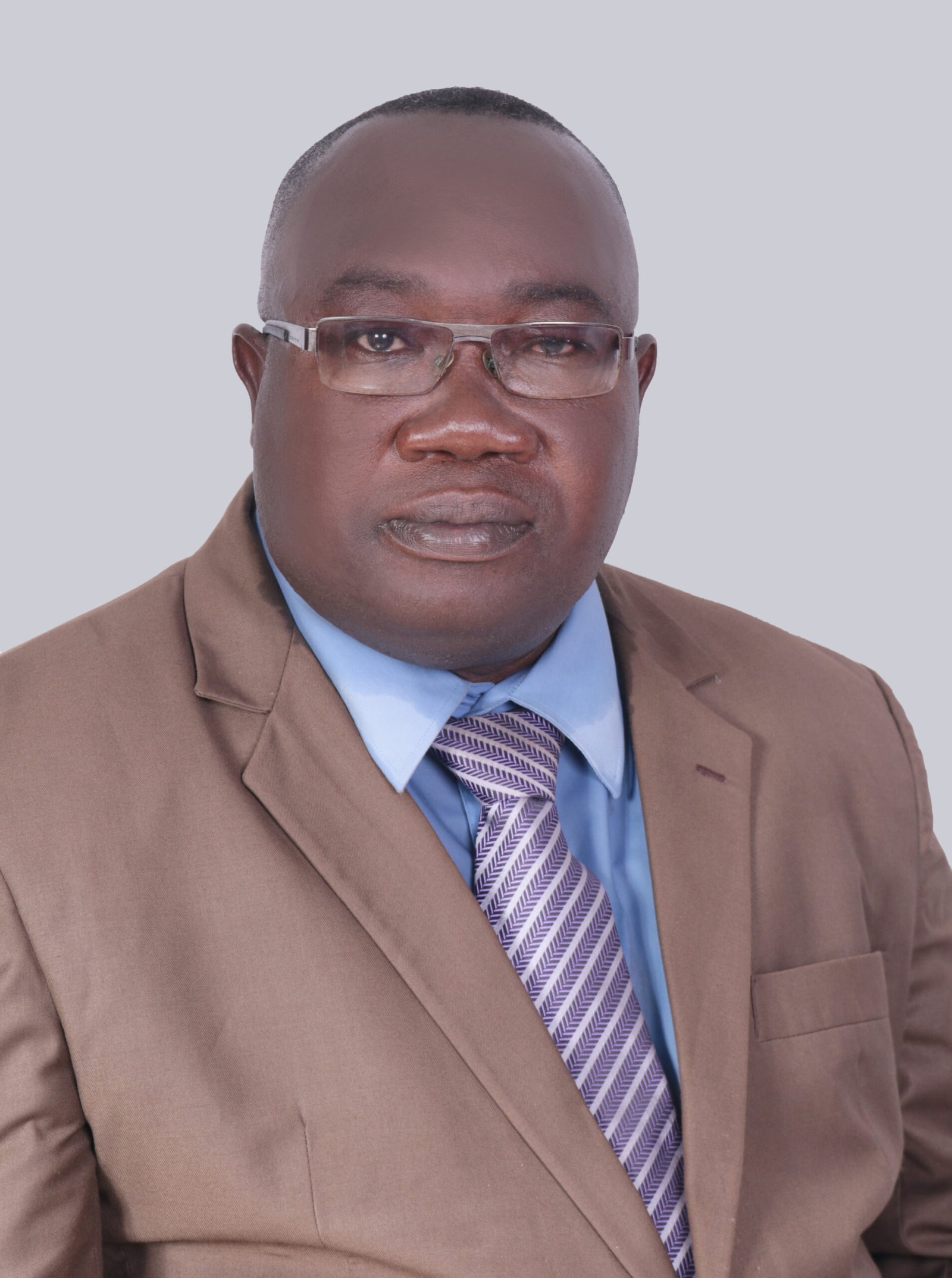
Dr Mark Kurt Nawaane, Chairman of the Parliamentary Select Committee on Health, described the death of a relative in such circumstances as “highly unacceptable.”
His comments come in the wake of reports that a victim of a hit-and-run accident at the Kwame Nkrumah Circle Overpass last Monday was allegedly turned away by three major health facilities due to a lack of bed space, resulting in his death.
Speaking to the media on Friday, Dr Nawaane said “It is sad that we have lost a patient due to the lack of availability of bed space at our health facilities. That is highly unacceptable. However, I will urge that if you carry your relative to a health facility and you are not satisfied with anything, including the availability of bed space, you should be able to pursue it.”
“The Medical and Dental Council is there to ensure that we provide quality health services. We also have the Health Facility Regulatory Authority, and even the National Health Insurance Authority, which are concerned with these matters. All these bodies are available for you to make a formal complaint,” he underlined.
Dr Nawaane also pointed to poor communication between hospitals as a key factor contributing to “no bed syndrome.”
“What I am thinking is that there is a lack of communication between hospitals in the country. If you go to the first hospital and there is no bed, they should be able to inform you that another hospital has one, but currently we do not have that system,” he stated.
The MP assured Ghanaians that healthcare delivery would be improved, noting that part of the GH¢2.9 billion Ghana Medical Trust Fund, also known as the Mahama Care Fund, approved by Parliament, would be used to upgrade regional hospitals.
“The Ghana Medical Trust Fund, with a total allocation of GH¢2.9 billion, is expected to cover several activities. The three major ones include payment of claims (GH¢1.6 billion), infrastructure and equipment (GH¢975 million), and specialist medical training (GH¢44.2 billion),” Dr Nawaane explained.
He stressed the importance of equipping hospitals and training specialists.
“You realise that if a hospital lacks specialists, it is difficult for them to carry out their mandate. So, I am not surprised that part of this fund is being used to train medical specialists. Also, most regional hospitals do not have MRI and other essential equipment, so part of this fund will be used to retool these hospitals and enable them to serve patients effectively,” he elaborated.
BY BENJAMIN ARCTON-TETTEY
Follow Ghanaian Times WhatsApp Channel today. https://whatsapp.com/channel/0029VbAjG7g3gvWajUAEX12Q
Trusted News. Real Stories. Anytime, Anywhere.
Join our WhatsApp Channel now! https://whatsapp.com/channel/0029VbAjG7g3gvWajUAEX12Q

