


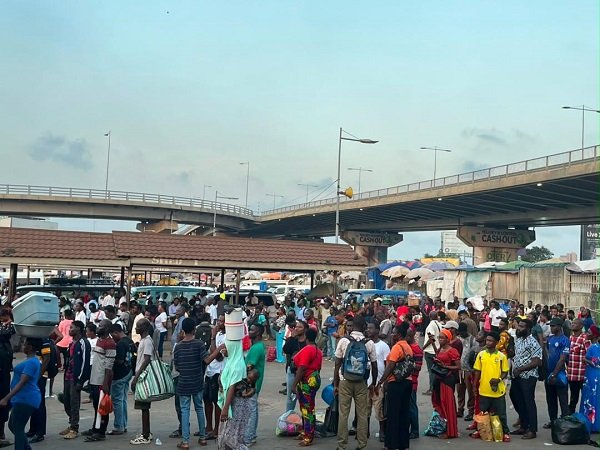
Two university dons have called for a comprehensive overhaul of Ghana’s public transport system, stating that the decades-old model is no longer fit for purpose and is costing the economy more than GH¢4 billion annually.
They said the daily experience of long queues, overcrowding at lorry terminals and unreliable services underscored the urgent need for reforms to deliver a modern, efficient and reliable transport system capable of meeting the demands of a growing population and economy.
In separate interviews with The Ghanaian Times, following the newspaper’s recent reports on commuter hardships, the academics explained that the largely informal transport system was undermining productivity, increasing the cost of doing business and placing undue physical and financial strain on commuters.
They advocated an integrated transport system anchored on stronger regulation, the use of digital technology and sustained investment in infrastructure.
An Associate Professor of Transport Geography at the University of Ghana, Prof. Ernest Agyemang, described the inefficiencies in the country’s transport system as alarming.

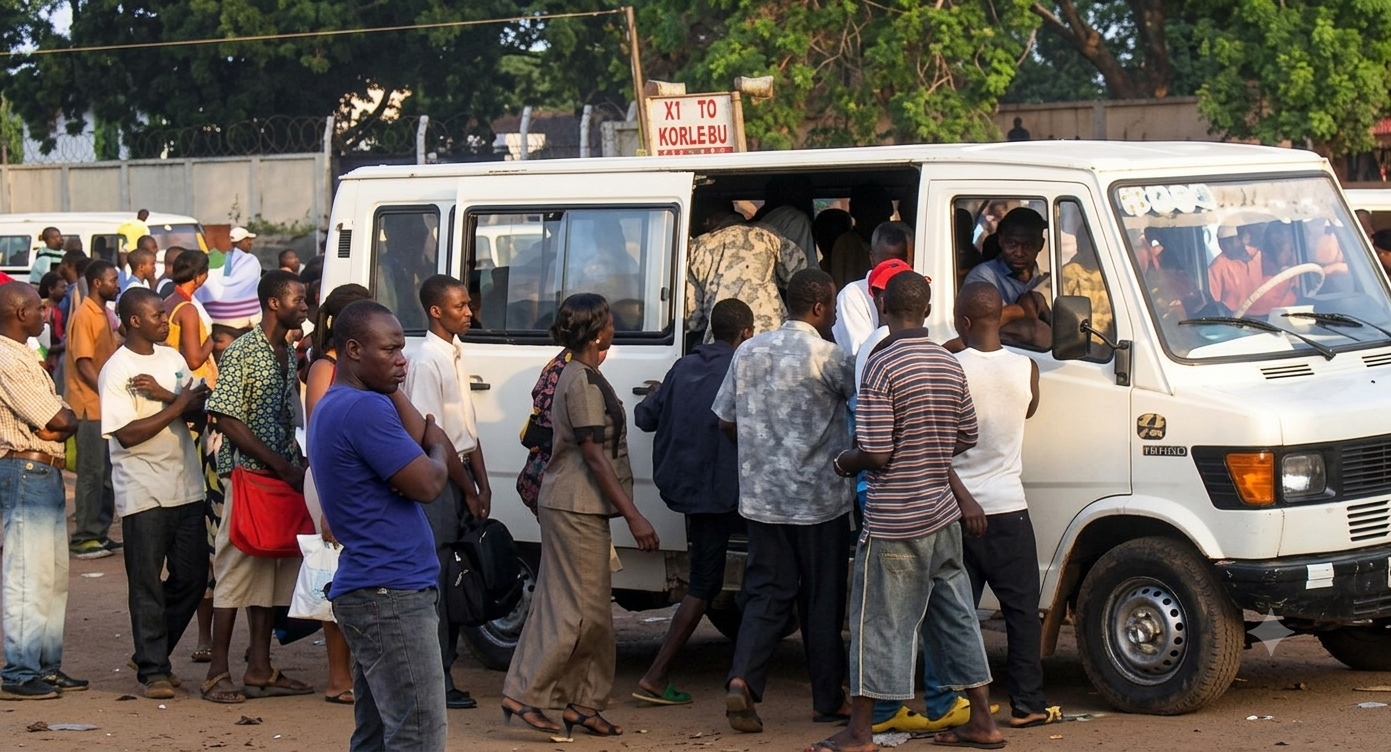
He cited a common practice where passengers travelling from Madina to the University of Ghana were charged the full fare to Circle, even when they alighted at Legon, after which the same seat was resold to another passenger heading to Accra.
According to him, such practices pointed to deeper structural weaknesses in a system dominated by informal operators, who account for about 95 per cent of daily passenger movements.
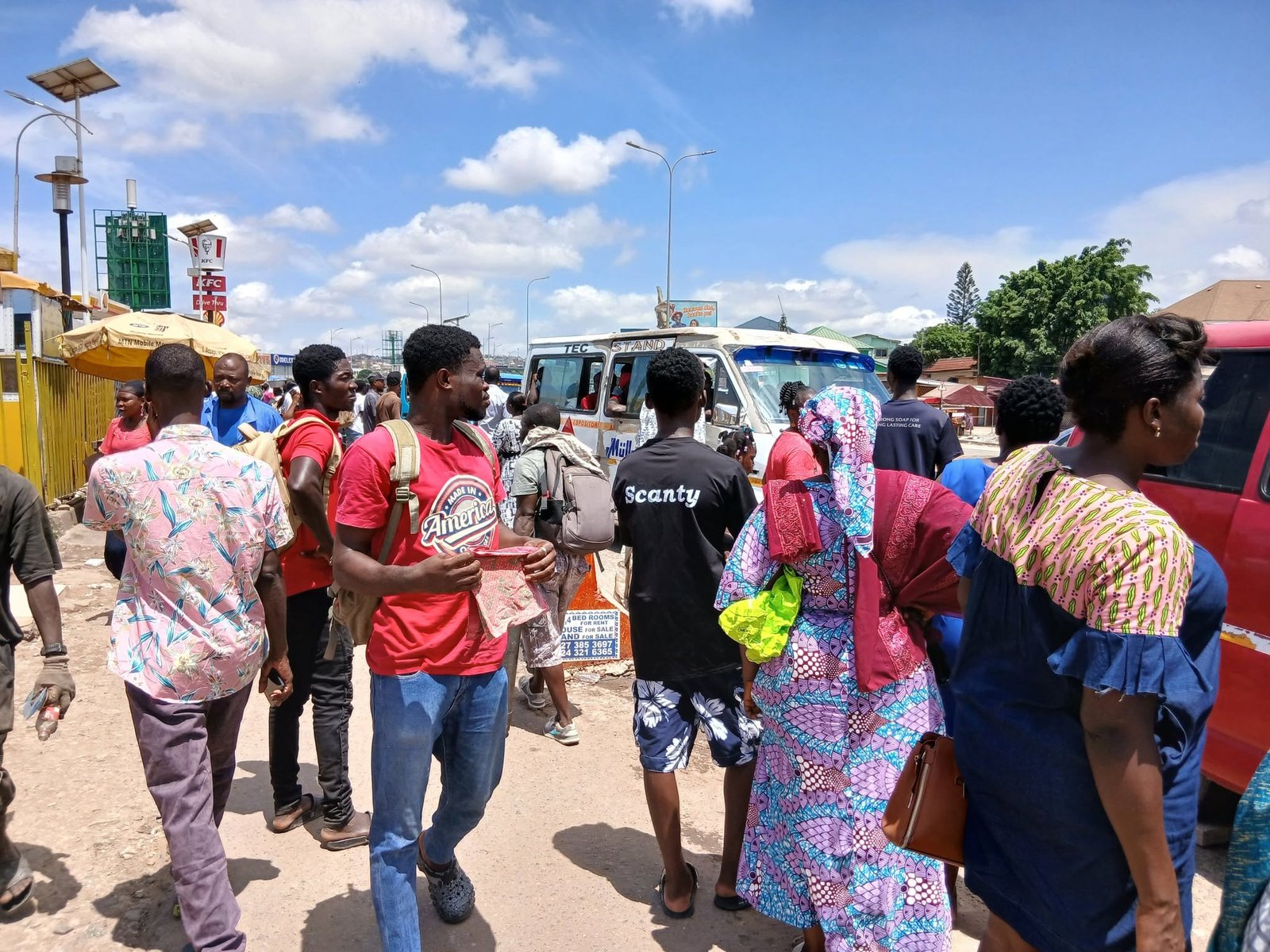
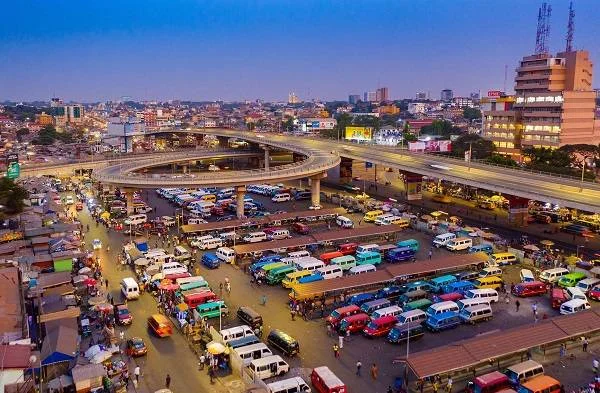
Prof. Agyemang said studies indicated that Ghana lost more than GH¢4.5 billion annually to traffic congestion through lost productive hours, fuel wastage and health-related impacts.
He proposed a trunk-feeder transport model in which large buses would operate along major corridors, while smaller commercial vehicles served as feeders within communities.
He added that the system should be supported by digital route mapping, real-time passenger information, integrated electronic fare payment systems, dedicated bus lanes and stricter traffic management.
For his part, an Associate Professor of Hospitality and Tourism at the University of Energy and Natural Resources, Prof. Ricky Yao Nutsugbodo, described Ghana’s public transport system as highly informal, inefficient and poorly regulated.
He said decades of inadequate investment, weak regulation and fragmented planning had left the country heavily reliant on trotros and taxis, which were never designed to serve as the backbone of a modern transport system.
Prof. Nutsugbodo observed that interventions such as Metro Mass Transit and Aayalolo had recorded only modest success because they operated within the same congested road network without dedicated lanes or sustainable management systems.
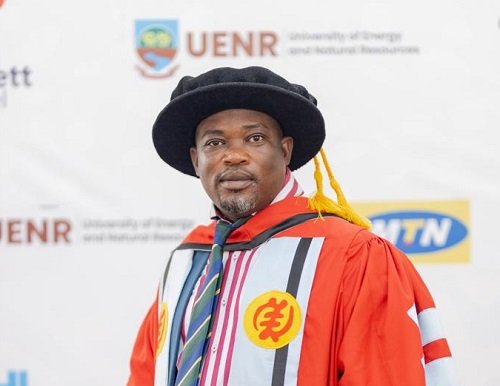
He recommended an integrated, multimodal transport system combining buses, rail, bicycles and commercial motorcycles, supported by dedicated lanes and tailored strategies for both urban and rural areas.
Drawing lessons from cities such as London, Singapore, Tokyo, Nairobi and Lagos, he said efficient transport systems were built on integrated planning, seamless connections between different modes, unified ticketing systems and the effective use of digital technology.
He stressed that an efficient and integrated public transport system was essential for improving mobility, reducing congestion, promoting trade and tourism, and advancing sustainable national development.
BY STEPHANIE BIRIKORANG
Follow our WhatsApp Channel now! https://whatsapp.com/channel/0029VbAjG7g3gvWajUAEX12Q

