


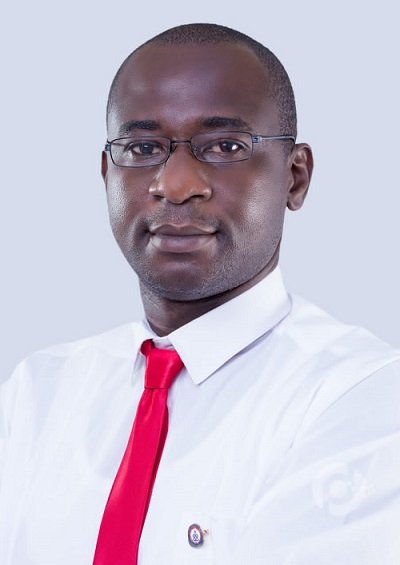
An environmental communication expert, Dr Akwesi Bosompem Boateng, has called for increased investment in waste management, particularly in waste collection equipment, logistics and engineered landfill sites across all 260 districts, to address the country’s worsening sanitation challenges.
He said the country’s waste management system remained weak due to years of inadequate investment, stressing that the June 29 floods had exposed critical gaps that required urgent and sustained action.
Speaking in an exclusive interview with The Ghanaian Times in Accra yesterday, Dr Boateng said the recent nationwide clean-up exercise organised after the floods was commendable but should not be viewed as a lasting solution to the country’s perennial flooding problem.
Rather, he said government must prioritise long-term interventions, including increased investment in waste management infrastructure, strict enforcement of sanitation bye-laws, recruitment of more waste collection personnel and the revival of community-based sanitation programmes.
“The weaknesses in our waste management sector are not far-fetched. The recent floods exposed those weaknesses and we need to pay urgent attention to them,” he stressed.
Dr Boateng, who is also a senior lecturer at the School of Communication and Media Studies of the University of Education, Winneba, said effective waste collection, regular desilting of drains, compliance with planning regulations and sustained public education were critical to building flood-resilient communities.
He attributed the widespread flooding to indiscriminate waste disposal, encroachment on waterways and wetlands, weak physical planning and unauthorised construction, which had obstructed the natural flow of storm water over the years.
“I think about 70 per cent of the issue is as a result of our activities as humans. If we had done certain things right, the damages we are seeing today would not have been as much,” he said.
While commending the government’s response through relief operations, desilting of drains, demolition of structures on waterways and the nationwide clean-up exercise, he cautioned that such measures would have only temporary impact without sustained enforcement of sanitation and planning regulations.
“We cannot always wait for disasters before reacting. We need long-term action. We must enforce our planning laws, stop building on waterways and wetlands and improve the way we manage our waste,” he stated.
Dr Boateng also expressed concern about changing building practices, noting that many property owners paved entire compounds with concrete and blocks, leaving little space for rainwater to soak into the ground and increasing surface runoff during heavy rains.
He further advocated accelerated adoption of waste segregation, recycling and composting to reduce dependence on landfill sites and improve environmental sustainability.
He also called for intensified public education on environmental protection and climate change, adding that behavioural change remained essential to addressing the country’s flood challenges.
Dr Boateng urged authorities to ensure that funds allocated for flood prevention and environmental management were used judiciously, while appealing to Ghanaians to dispose of waste responsibly, comply with planning regulations and protect the environment.
“It is not a crisis for one person. It is a crisis for all of us. We must all contribute by managing our waste properly, obeying planning regulations and taking responsibility for our actions if we want to reduce the devastating effects of flooding,” he said.
BY STEPHANIE BIRIKORANG
Follow our WhatsApp Channel now! https://whatsapp.com/channel/0029VbAjG7g3gvWajUAEX12Q

