


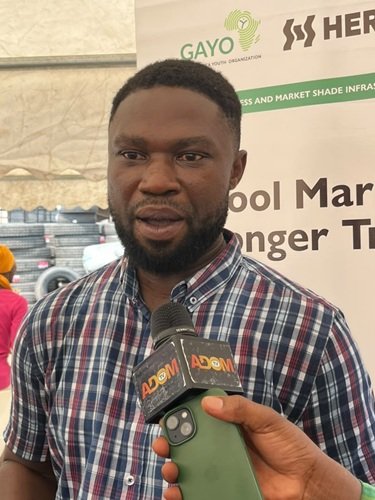
MARKET women and other workers who endure long hours under the scorching sun risk exposure to excessive heat that could lead to heatstroke, seizures and even death, warns a public health specialist, Benjamin Oppong Twumasi.
He has, therefore, advised them to take preventive measures, including drinking lots of water, wearing light clothing and taking regular breaks in shaded areas to protect themselves against heat-related illnesses.
He said the effects of rising temperatures, worsened by climate change, posed a growing health risk to market women, head porters (kayayei) and other workers whose daily activities exposed them to intense heat.
Mr Twumasi gave the advice during a health education session organised by the Green Africa Youth Organisation (GAYO) for market women and other workers at the Agbogbloshie Market in Accra yesterday.
The programme was aimed at raising awareness of the health dangers associated with excessive heat exposure and equipping participants with practical ways to protect themselves.
Mr Twumasi explained that prolonged exposure to high temperatures could cause heat rashes, dehydration, dizziness and drowsiness, with severe cases progressing to heatstroke, unconsciousness and seizures.
He said many market women often mistook the symptoms of heat stress for other illnesses because of inadequate knowledge about the health implications of working for extended periods under the sun.
He urged the traders to recognise the warning signs and seek prompt medical attention when necessary to prevent their conditions from deteriorating.
On preventive measures, Mr Twumasi advised the women to use umbrellas, wear light clothing, drink sufficient water and take regular breaks in shaded areas.
He cautioned against working continuously under direct sunlight, particularly during the loading and offloading of goods, without taking time to rest.
Older persons and those with underlying health conditions or limited mobility, he said, needed to exercise extra caution because they were more vulnerable to heat stress and heatstroke.
He also encouraged the traders to eat before reporting for work in the morning, observing that some of them began their daily activities without having breakfast.
Mr Twumasi expressed satisfaction with the turnout and participation at the programme, saying the questions raised by participants underscored the need for sustained public education on heat-related illnesses.
On improving working conditions at the market, he said the organisation, which relied largely on donor funding, was considering providing shade facilities for some traders.
A market worker who participated in the programme, Mr Annoh, described the session as beneficial, saying it had helped him understand that dizziness and other discomforts experienced while working under the sun could be signs of heat stress.
He said workers faced considerable difficulties during the offloading of goods because there were no shaded areas where they could take shelter.
Mr Annoh appealed to the government and GAYO to support the provision of canopies and cooling stations to enable workers to rest after prolonged exposure to the sun.
BY HILDA NSAMI
SKIP THE QUEUE, TAP THE NEWS


Read the Ghanaian Times and The Spectator newspapers from the comfort of your device via TimesNewsPlus.
Follow our WhatsApp Channel now! https://whatsapp.com/channel/0029VbAjG7g3gvWajUAEX12Q

