


A three-year research project meant to examine doctoral training models in Ghana and six other African countries to identify gaps in PhD education, recommend reforms to strengthen research capacity and improve doctoral training has begun in Ghana.
The PhD Models Project: Research and Transformation of Doctoral Practices and Procedures in African Universities will focus on the social sciences, humanities and education, examining supervision practices, funding arrangements, curricula and institutional structures that shape doctoral education.
PASGR, a Nairobi-based, independent pan-African not-for-profit organisation, is implementing the project across Ghana, Ethiopia, Kenya, Nigeria, Senegal, South Africa and Uganda.
Funded by Carnegie Corporation of New York, the project seeks to generate evidence to inform reforms in doctoral education and strengthen universities’ capacity to produce research that addresses Africa’s social, economic, cultural, political and environmental development challenges.
The study comes amid concerns about limited domestic research funding, inadequate supervisory capacity and a lack of nationally comparable data on doctoral completion rates, student attrition and time to degree in Ghana.
These gaps make it difficult for universities and policymakers to compare performance across institutions and disciplines and identify the practices most likely to support successful doctoral training.
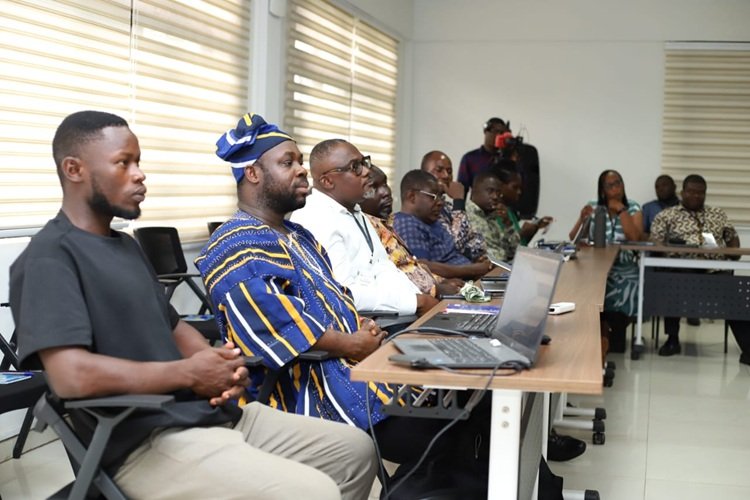
The project’s Ghana component was discussed at an inception and stakeholder engagement workshop organised in Accra yesterday by the Partnership for African Social and Governance Research (PASGR), which brought together policymakers, university leaders, academics, regulatory bodies and other stakeholders to review preliminary findings and refine the research approach.
A professor at the Department of Agricultural Economics and Agribusiness at the University of Ghana, Prof. Charles Yaw Okyere, is the Principal Investigator, with Dr Richmond Kingsley Egyei of the Institute of Statistical, Social and Economic Research (ISSER), University of Ghana, serving as the Research Associate.
According to the project concept note, doctoral training in Ghana took several forms, including the traditional thesis-only model, structured PhD programmes, professional doctorates and thesis-by-publication.
Those models reflected differences in institutional priorities, available resources, international partnerships and expectations for research quality and graduate employability.
The concept note said the Ghana study would examine doctoral education governance, funding mechanisms, curricula, supervision practices, faculty capacity and research outputs to identify challenges, emerging opportunities and areas requiring further investigation.
Speaking at the inception workshop in Accra yesterday, Prof. Okyere said the workshop would help stakeholders refine the research questions, agree on the methodological approach and establish a roadmap for the study’s next phase.
He said the next phase was expected to involve surveys, key informant interviews and focus group discussions, alongside continued stakeholder engagement and validation of the research findings.
Prof. Okyere said the findings were also expected to inform policy discussions on improving doctoral supervision, strengthening research funding, and promoting institutional learning and collaboration across African universities.
BY KINGSLEY ASARE
SKIP THE QUEUE, TAP THE NEWS


Read the Ghanaian Times and The Spectator newspapers from the comfort of your device via TimesNewsPlus.
Follow our WhatsApp Channel now! https://whatsapp.com/channel/0029VbAjG7g3gvWajUAEX12Q

