


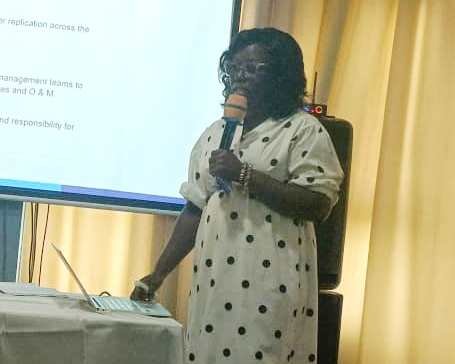
WATERAID GHANA, an international not-for-profit making organisation, has pledged sustainability in the provision of Water, Sanitation and Hygiene (WASH) infrastructure for communities in the Upper East Region.
As part of the implementation of the Sexual Reproductive Health Education (SHARE) project, the organisation has established WASH facilities worth thousands of Ghana Cedis across four Districts and Municipalities here in the Upper East Region.
The beneficiary Districts are Kassena-Nankana District; Kassena-Nankana Municipality, Builsa North Municipality, and the Bongo District, which has been accorded the lion’s share of these facilities.
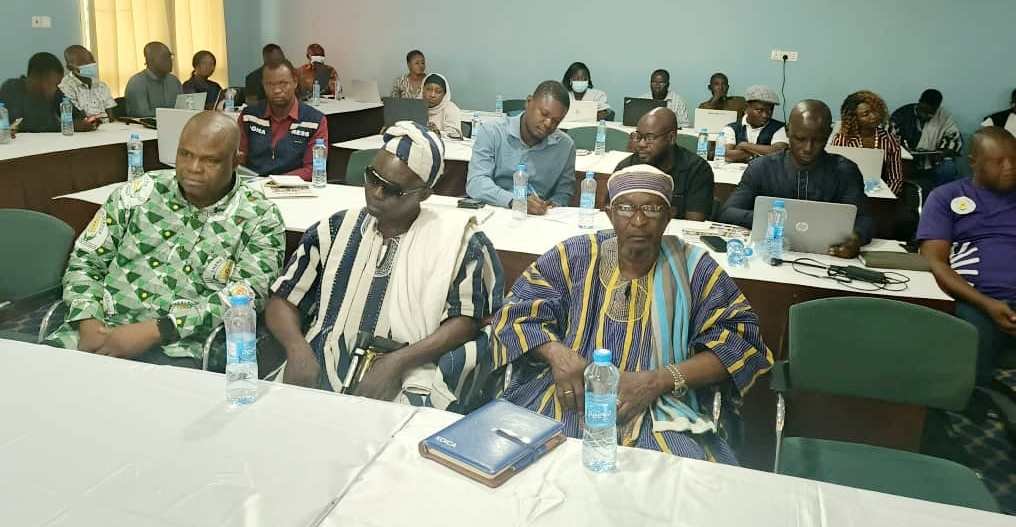
This was brought to light at a three-day District Health Information Management System (DHIMS) Coordination and Data Validation meeting in Bongo, which ended last Friday.
The workshop was also organised to review the data on WASH Infection Prevention Control (IPC) and Sexual Reproductive Health Rights (SRHR) in the project implementation districts.
Addressing the media on the sidelines of the workshop, the Programme Manager in charge of WASH for Public Health, WaterAid Ghana, Ms Augustina Dechegwe Achigibah, said WaterAid Ghana would continue to go at full strength to offer support to leverage WASH IPC practices in healthcare facilities and further improve data capturing into the District Health Information Management System (DHIMS) by the District Focal persons.
Among the WASH facilities provided by the organisation under the SHARE, a five-year consortium project being implemented by the WaterAid Ghana alongside the Forum for African Women Educationists (FAWE) Ghana, Right to Play and FHI 360, are sanitation facilities, incinerators, and ‘adolescent-friendly corners’, according to Ms Achigibah.
She therefore pledged the organisation’s sustained commitment to helping Ghana attain goal six (Clean Water, Sanitation and Hygiene) of the United Nations (UN) Sustainable Development Goals (SDGs) by 2030.
“We are using this opportunity to discuss issues relating to ownership and sustainability for the health infrastructure we are putting up in the four districts and municipalities.
“So we need to engage the stakeholders, especially the Municipal and District Assemblies (MDAs), GHS, and traditional leaders to take ownership of the infrastructure projects in WASH,” said Ms Achigibah.
The Programme Manager further said, “So we are hoping that before we leave here today, we will have concrete actions and then we will follow up to get all stakeholders on board to help the GHS deliver quality, sustainable healthcare in the communities.
Dr Lawrence Ofori-Boadu, the Director in charge of Institutional Care Division (ICD) of the GHS, expressed concern about the issue of WASH in Healthcare Facilities (HCFs) in many parts of the country, and called for adequate WASH logistics to prevent the issue from swelling.
He indicated that statistics from the Global Progress Report on WASH in HCFs, the World Health Organisation (WHO) and United Nations for Children’s Fund (UNICEF), 2021, revealed that in Ghana, about 45 per cent of HCFs lack basic water facilities; 50 per cent lack basic sanitation; 43 per cent lack basic hygiene; 40 per cent lack basic waste management services, with the gaps more pronounced in the sub-district facilities.
FROM FRANCIS DABRE DABANG, BOLGATANGA