


The international federation is channelling historic levels of funding directly into the sport, fuelling a massive surge in worldwide competitions, grassroots developmental programmes, and direct financial compensation for competitors.
According to its newly published 2025 Annual Report, World Athletics oversaw a massive expansion on the track this past year.
A total of 9,067 competitions were registered globally, up from 7,791 the previous year.
The Continental Tour also expanded to 262 meetings, providing athletes with opportunities to compete locally and secure world ranking points.
The highlight of the season, the World Athletics Championships in Tokyo, set a new benchmark for global parity.
Athletes from 84 different nations reached a final or achieved a top-eight finish, a record for the sport’s premier event.
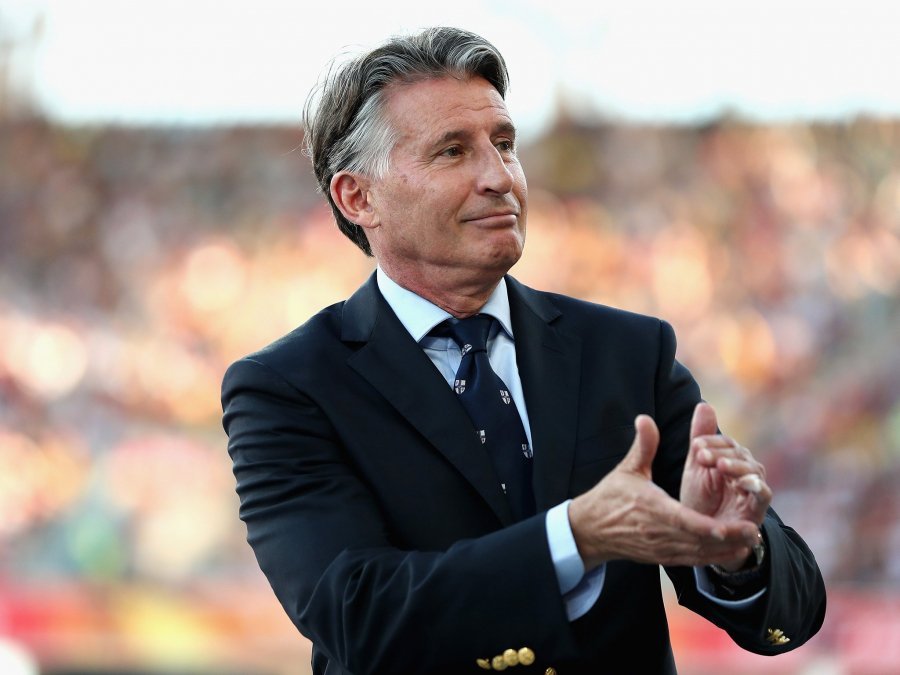
“The World Athletics Championships Tokyo 2025 showed us the scale of our reach,” stated World Athletics President Sebastian Coe. “This is an extraordinary number, the highest ever, and sets us apart from all other sport. An unprecedented global footprint.”
The governing body is heavily prioritising direct athlete compensation. Preparations are intensifying for the inaugural Ultimate Championship, scheduled for September 2026 in Budapest.
The three-day event will feature a historic $10 million (€9.2 million) prize pot. Individual discipline winners will receive $150,000 (€138,000), and every competing athlete is guaranteed a financial reward.
Overall, World Athletics has committed to distributing over $50 million (€46 million) in prize money between 2024 and 2028.
Innovation on the track also continued, highlighted by the debut of the mixed 4x100m relay in Guangzhou and the official addition of the 300m hurdles to the rulebook. Off the track, grassroots investment saw 630,000 children participate in Kids’ Athletics Day.
The operational expansion was driven by a 15 per cent increase in underlying revenues, which climbed to $69.2 million (€63.7 million).
This allowed World Athletics to distribute $13.4 million (€12.3 million) in federation grants while maintaining a balanced budget across the four-year Olympic cycle.
“We are no longer a summer sport spanning just a few months,” Coe concluded, noting that the sport is now active year-round. “But these results don’t come about by chance. There is significant investment behind the scenes, both financially and through focused resources from HQ, Area Associations and our Member Federations.”-Insidethegame
You can now read the *Ghanaian Times* and *The Spectator* newspapers digitally on [TimesNewsPlus](https://timesnewsplus.com/newspapers).
Follow our WhatsApp Channel now! https://whatsapp.com/channel/0029VbAjG7g3gvWajUAEX12Q

