Over 70 per cent of traders at the Mallam Market have various states of high blood pressure but are unaware, a study by Knoxxi Health Ghana has revealed.
The study revealed that only 28.3 per cent of them had normal blood pressure, and the remaining 71.7 per cent, mainly women, had between stage one to crisis stage hypertension.
It said 31.9 per cent of the traders had stage one hypertension, 22.9 per cent had stage two hypertension, 14.9 per cent had reached elevated level blood pressures, while a few, 2.09 per cent had reached crisis level.
The study majority of the crisis cases were persons of ages 65 and above, while a few of them, between the ages of 25 and 64 also had conditions that could be described as crisis.


The statement also disclosed that just a few (26) had reached the crisis level, it is also instructive to note that a significant 38 per cent (471) of the women were found with stages two and elevated blood pressure conditions, which is “worrying and needs urgent intervention.”
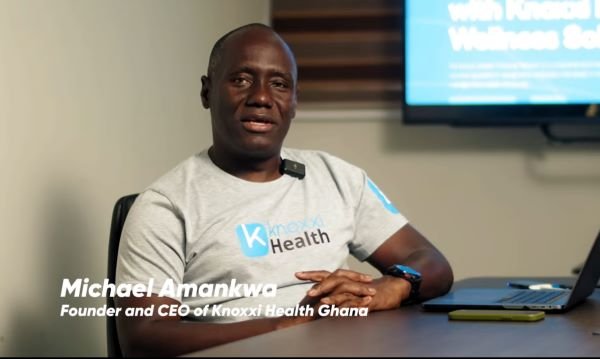
According to Founder and Chief Executive of Knoxxi Health, Michael Amankwa, who led the research team, said the situation was an alarming one which needed to be addressed.
Mr Amankwa mentioned this when Knoxxi Health in collaboration with the Ablekuma North Health Directorate provided free health check-ups to market women at Mallam Market for one month.
Presenting the data of the findings during a free health screening for market women at Mallam Market in Accra, Mr Amankwa described the situation as alarming.
He said that before the screenings, Knoxxi did a survey in the market, and over 78 per cent of the women confidently said they did not have high blood pressure.
However, Mr Amankwa stated that the screening revealed the opposite, indicating that many people are living with non-communicable health conditions they may not be aware of.
“Even after we had shown the results to the women and given some of them referrals, a lot of them simply refused to go for health care, so we had to work with the Ablekuma North Health Directorate to take at least two medical doctors to the market to consult those who needed it urgently,” he stated.
As part of its support, Knoxxi Health, Mr Amankwa indicated, dispatched its Health Connect Team (field health agents) to markets to perform vital sign checks on women four times a month.
“These well-scheduled visits target designated group of customers daily, ensuring consistent health monitoring and providing actionable insights to clients,” he added.
Moreover, Mr Amankwa assured customers of complete data protection both in transit and in storage, adding that they could always have their data deleted from the health monitoring service upon request.
The Public Health Physician Specialist at the Ablekuma North Health Directorate, Dr Valerie Ida Osei-Tutu, noted that one of the objectives of Ghana’s Non-Communicable Diseases (NCD) Policy was to strengthen early detection and management in order to reduce morbidity and mortality from NCDs.
She noted that NCDs had become a big challenge at Ablekuma North, and the goal was not just to treat them when they happened, but also to prevent them and that was why the intercession by Knoxxi Health, through technology, was critical.
BY KINGSLEY ASARE