ACEP calls for governance, fuel strategy
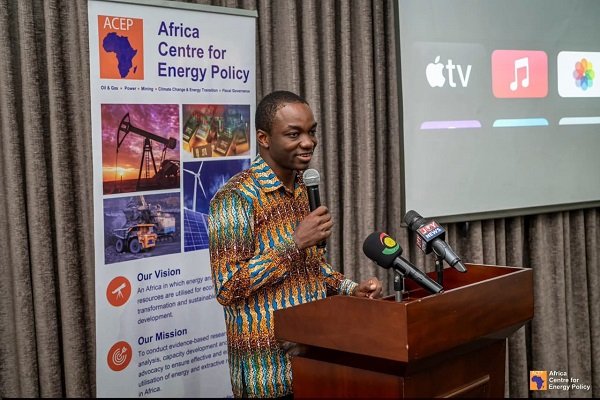
THE African Centre for Energy Policy (ACEP) has called for governance, fuel strategy, and distribution reforms in the energy sector to complement the Energy Sector Levies (Amendment) Act (ESLA), 2021, a decade after its enactment.
Among the reforms proposed by ACEP are the enforcement of loss reduction targets, improved metering systems, enhanced utility payment discipline, performance-based utility management, optimisation of domestic gas, and reduced reliance on expensive liquid fuels.
The policy think tank also advocates better hedging and procurement systems, the introduction of robust Key Performance Indicators (KPIs) for State-Owned Enterprises (SOEs), transparent levy reporting, and clear sunset mechanisms for energy levies.
The primary objective of ESLA is to settle debts owed by energy sector SOEs to banks and to ensure a sustainable and consistent power supply. The Act has undergone several amendments, the most recent in 2021, which introduced recovery and pollution levies.

Other objectives of the Act include consolidating existing energy sector levies, imposing a price stabilisation and recovery levy, facilitating sustainable long-term investment, and addressing related matters.
Speaking to the media in an interview on Friday, ACEP’s Policy Lead for Climate Change and Energy Transition, Mr Charles Gyamfi Ofori, explained that although ESLA plays a key role in revenue generation for the energy sector, it alone cannot resolve the sector’s challenges.
“We are happy to see the consolidation of the funds into one window to deal with the debt and shortfall management of it. As I indicated earlier, we can add a lot of money to ESLA, but that may not necessarily be the biggest thing that can change the future of the power sector,” Mr Ofori said.
“We need to augment that with serious power sector reforms that need to be done for us to have a very stable power sector and one that is really free from government interventions, support, and liabilities,” Mr Ofori added.
He further emphasised the need for stakeholder engagement by government before the passage of key bills in Parliament to ensure such legislation adequately addresses challenges confronting the energy sector.
Mr Ofori also highlighted observations made by ACEP, noting that structural issues persist despite the immediate liquidity relief provided by ESLA and ESLA Plc. He pointed out that the levy structure has become embedded rather than temporary and that risk has been shifted despite the scrutiny of the fund.
BY BENJAMIN ARCTON-TETTEY
Follow Ghanaian Times WhatsApp Channel today. https://whatsapp.com/channel/0029VbAjG7g3gvWajUAEX12Q
Trusted News. Real Stories. Anytime, Anywhere.
Join our WhatsApp Channel now! https://whatsapp.com/channel/0029VbAjG7g3gvWajUAEX12Q