Cross-border trade: Proposals unveiled to tackle barriers facing women SMEs
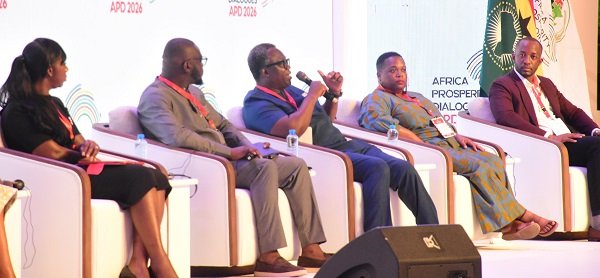
Panellists at the ongoing Africa Prosperity Dialogues (APD) 2026 have outlined a range of policy, financing, and institutional proposals aimed at addressing persistent challenges confronting women Small and Medium-sized Enterprises (SMEs) to promote intra-African trade.
The proposals were outlined during an SME-focused panel session that examined practical ways to deepen the participation of women- and youth-led enterprises in the African Continental Free Trade Area (AfCFTA), particularly in light of persistent barriers relating to finance, market access, regulatory compliance, and risk management.
The three-day forum is on the theme: “Empowering SMEs, Women and Youth in Africa’s Single Market through Innovation, Collaboration and Trade.”
The event, organised by the Africa Prosperity Network in partnership with the Government of Ghana, AfCFTA Secretariat, the African Union Development Agency, and the African Development Bank, has brought together African leaders, policymakers, development partners, financial institutions, private sector actors, and young entrepreneurs to chart a practical path towards inclusive growth under AfCFTA.


The panel identified limited understanding of rules of origin as one of the most significant obstacles preventing SMEs from fully benefiting from AfCFTA tariff concessions. Many traders wrongly assumed that goods automatically qualified for preferential treatment simply because they are produced or labelled in a particular country.
Panellists stressed that rules of origin are technical and based on value addition calculations rather than geographical location, and require proper documentation. To address this gap, the panel proposed increased access to trade advisory and legal support for women and SMEs, particularly in securing valid certificates of origin before exporting.
The absence of such documentation often resulted in traders paying higher Most Favoured Nation (MFN) tariffs, facing post-clearance audits, or incurring penalties from revenue authorities, thereby increasing the hidden cost of intra-African trade.
On AfCFTA implementation, the panel rejected claims that the agreement had not been tested, pointing to the Guided Trade Initiative (GTI) as clear evidence of progress. They noted that the GTI had successfully piloted the Protocol on Trade in Goods, with the number of participating countries increasing from eight to over 40. However, limited awareness and utilisation of negotiated tariff concessions among SMEs remained a major gap.
To overcome challenges linked to fragmented information and weak representation, the panel highlighted the importance of collective platforms for SMEs. Individual enterprises lacked the influence to shape policy outcomes, while coordinated engagement through umbrella bodies enabled SMEs to effectively interact with continental and international institutions on trade and financing issues.
The panel proposed the adoption of Afrocentric financing models to address the persistent financing gap facing SMEs. Drawing on traditional revolving savings systems widely used across Africa, structured cooperative funding mechanisms could mobilise domestic capital at scale, reducing reliance on high-interest conventional banking.
The panellists noted that decentralised operations and cross-border partnerships can help businesses manage regulatory constraints and expand market reach. They also called for greater uptake of marine cargo and goods-in-transit insurance to protect SMEs operating on tight margins. Improved data-sharing and integration with continental payment systems could help insurers better assess risk and lower premiums for compliant traders.
In addressing non-tariff barriers, particularly in sensitive sectors such as food processing, the panel emphasised early compliance with safety and quality standards, as well as partnerships with regulatory and testing institutions, as essential for building trust and facilitating access to regional and global markets.
The panel concluded that strengthening advisory services, expanding access to patient capital, reforming regulatory frameworks, and enhancing matchmaking platforms are critical to ensuring that women and SMEs can trade competitively and sustainably under AfCFTA.
BY KINGSLEY ASARE
Follow Ghanaian Times WhatsApp Channel today. https://whatsapp.com/channel/0029VbAjG7g3gvWajUAEX12Q
Trusted News. Real Stories. Anytime, Anywhere.
Join our WhatsApp Channel now! https://whatsapp.com/channel/0029VbAjG7g3gvWajUAEX12Q