Education policies must reflect stakeholder input – National Council of Parent-Teacher Associations
THE National Council of Parent-Teacher Associations (PTAs) has expressed concern over the growing incidence of violence in schools.
It has, therefore, urged parents, teachers and society at large to work together to restore discipline among children in public schools.
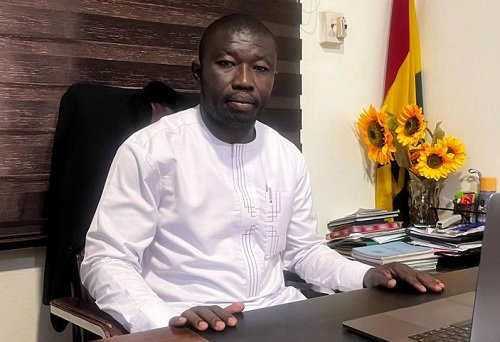
The General Secretary of the Council, Raphael Kofi Gapson, said the government should consult the council, traditional authorities and religious leaders when developing policies and programmes for the education sector, rather than leaving such responsibilities solely to technocrats.
Speaking on a local television programme in Accra yesterday, Mr Gapson expressed disappointment that the council was often left out when policies and programmes were formulated.

He stressed that education was a multi-stakeholder responsibility and should not be left in the hands of politicians alone.
who should be mandated in drafting policies and programmes for our children,” he emphasised.
Mr Gapson stated that the government must recognise that schools belong to the public and that issues concerning them were of interest to traditional and religious leaders as well as PTAs.
He observed that the unchecked rise in violence reflects a broader failure to give children the right upbringing.
His remarks come amid rising incidents of unrest in schools, particularly at the senior high school level, which he said were now spreading to basic schools, especially during inter-school sporting activities.
He argued that PTAs should be properly regulated to enable them to participate effectively in educational matters, rather than having regulations imposed on them.
“It should not be only the teachers and the practitioners of education. Child training begins at home, and parents should ask themselves what kind of foundation they are providing to ensure their children grow up with the right values,” he stated.
Mr Gapson explained that a strong culture of discipline had helped sustain the reputation of Ghana’s top-performing secondary schools, commonly referred to as Category A and B schools.
He again noted that these institutions have maintained high standards and strong traditions over decades, earning the trust and admiration of parents across the country.
“All the schools that we call Category A and B schools, it is because over the last 30, 40, 50 years they have maintained certain standards. That is their culture, their school climate, and that is why every parent wants to send their child there,” he stressed.
Mr Gapson further indicated that the council supports the government’s renewed emphasis on discipline, provided policies were applied fairly and consistently across all schools
BY BERNARD BENGHAN
Follow Ghanaian Times WhatsApp Channel today. https://whatsapp.com/channel/0029VbAjG7g3gvWajUAEX12Q
Trusted News. Real Stories. Anytime, Anywhere.
Join our WhatsApp Channel now! https://whatsapp.com/channel/0029VbAjG7g3gvWajUAEX12Q