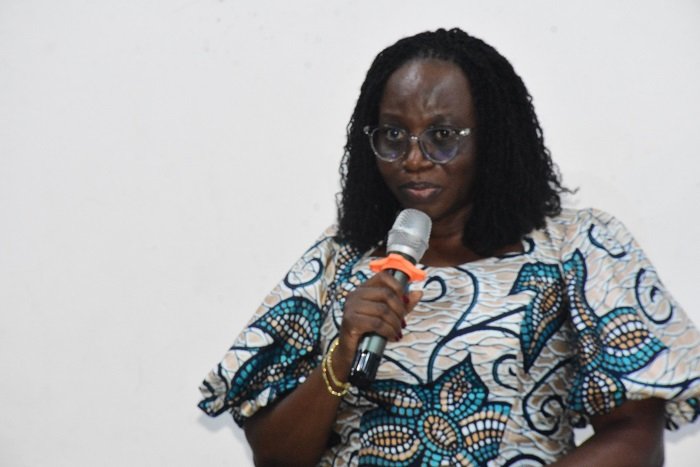
THE Greater Accra Regional Minister, Ms Linda Obenewaa Akweley Ocloo, has called for the resourcing and empowerment of local councils to enhance local revenue collection and ensure effective service delivery across communities.
According to her, even though local council sub-structures such as Urban, Town, Zonal, and Area Councils, as well as Unit Committees, serve as the real interface between government and communities, they remain under-resourced and underutilised.
“Without strengthening these grassroots structures, even well-crafted budgets will fail to translate into effective service delivery, so their empowerment is essential for improving local revenue collection, civic engagement, and community development,”
— she explained.
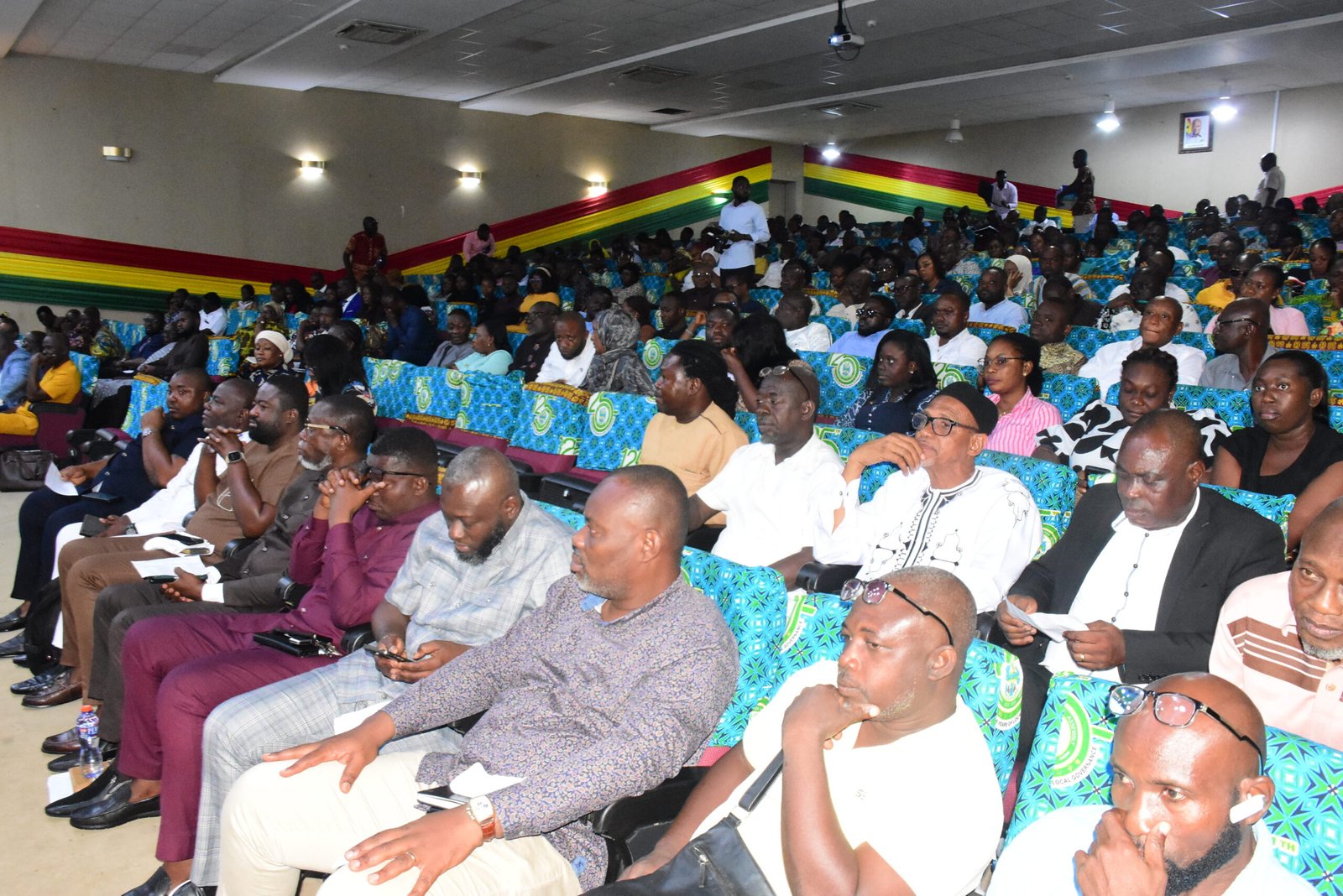
The Minister’s speech, read on her behalf by the Chief Director of the Greater Accra Regional Co-ordinating Council (RCC), Mrs Lilian Baeka, at the opening of the Greater Accra Regional 2026–2029 Composite Budget Hearings held yesterday, stressed that without strengthening these grassroots institutions, government’s development plans and well-crafted budgets would fail to achieve meaningful results.

“It will as well weaken fiscal performance, poor planning coordination, and service delivery gaps within Metropolitan, Municipal, and District Assemblies (MMDAs),”
— she stated.
Mrs Baeka cited low Internally Generated Funds (IGF), non-compliance with budget ceilings, and poor data management as persistent challenges undermining effective fiscal management in the region.
“Many Assemblies still depend heavily on central government transfers. Weak revenue systems, poor property valuation, and leakages in collection continue to undermine local fiscal autonomy,”
— she indicated.
To address these bottlenecks, Ms Ocloo announced a set of actions the Regional Co-ordinating Council (RCC) would pursue to ensure fiscal discipline and transparency. These include:
- Capacity building for MMDA budget officers and sub-district staff in programme-based budgeting and fiscal reporting.
- Enhancement of local revenue mobilisation through digital platforms and improved valuation rolls.
- Strict enforcement of expenditure controls to prevent audit infractions.
She also underscored the need for assemblies to support sub-district structures with logistics, training, and delegated fiscal authority to improve grassroots service delivery, while deepening coordination between planning and budget units to ensure that development plans align with financial priorities.
The Head of Fiscal Decentralisation Unit at the Ministry of Finance, Mrs Deborah Osei, reiterated government’s commitment to ensuring that all composite budgets across the 16 regions align with national priorities and expenditure ceilings as outlined in the 2026–2029 Budget Preparation Guidelines.
Moreover, she reminded the assemblies that all financial transactions must be processed through the Ghana Integrated Financial Management Information System (GIFMIS) to guarantee transparency and real-time fiscal monitoring.
Mrs Osei warned that commitments made outside approved budgets would attract sanctions, urging assemblies to comply fully with the Public Financial Management (PFM) Act, 2016 (Act 921), its regulations, and the Public Procurement Act.
She added that the Ministry expects each assembly to ensure that its 2026–2029 composite budget is approved by the General Assembly and signed off by both the Presiding Member and the Co-ordinating Director before submission to the RCC by November 8, 2025.
BY CECILIA YADA LAGBA & ELIZABETH NUKUNU KPORSU