Ghana, EU deepen partnership on sustainable cocoa production
The government and the European Union (EU) have reaffirmed their strong partnership in promoting sustainable cocoa production in the country.
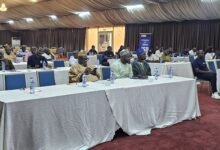
This came to light when stakeholders met in Accra for a high-level technical event on the EU Deforestation Regulation (EUDR).
The meeting was attended by officials from the Ghana Cocoa Board (COCOBOD), the Forestry Commission of Ghana, representatives of the EU, private sector players and cocoa farmers.
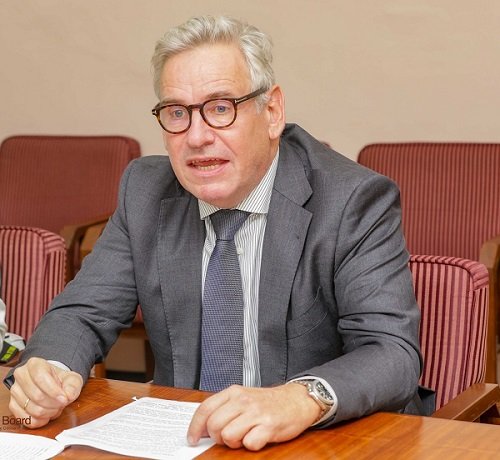
Addressing participants, the EU Ambassador to Ghana, Mr Rune Skinnebach, stressed that the EUDR is a landmark policy aimed at ensuring that products entering the European market are deforestation-free, traceable and legally produced.


He noted that with the regulation set to take effect on December 30, 2026, time was of the essence for producer countries such as Ghana to fully align their systems.
“Deforestation is not just a local challenge but a global crisis that threatens livelihoods, climate and the future of Ghana’s cocoa sector,” he said, adding that the EU remained committed to working with Ghana to build a transparent and sustainable cocoa supply chain.
Mr Skinnebach observed that cocoa accounts for about 95 per cent of the export value of commodities covered under the EUDR, making Ghana’s preparedness critical to maintaining access to the EU market.
He commended Ghana for the progress made so far, particularly the rollout of the Ghana Cocoa Traceability System, which is expected to enhance transparency across the cocoa value chain.
Earlier, the Deputy Director in charge of Monitoring and Evaluation at COCOBOD, Mr Eric Amengor, reaffirmed Ghana’s commitment to meeting the requirements of the regulation.
He said the long-standing relationship between Ghana and the EU had been mutually beneficial and remained crucial in ensuring responsible sourcing and sustainability in the cocoa sector.
Mr Amengor explained that COCOBOD had already operationalised key national systems, including the Ghana Cocoa Traceability System, despite delays in the enforcement timeline.
He outlined several interventions undertaken in recent years, including farmer and farm mapping, stakeholder sensitisation, data validation and farmer onboarding, all aimed at ensuring readiness for the EUDR.
“Ghana’s cocoa sector is not only an economic commodity but a strategic national asset that supports millions of livelihoods,” he said, stressing the need to safeguard forests while maintaining access to international markets.
Also speaking at the event, the Deputy Chief Executive of the Forestry Commission, Mr Elikem Kotoko, highlighted the importance of data in achieving compliance.
He announced the unveiling of a 2020 forest cover map developed by the Resource Management Support Centre, describing it as a key tool to support deforestation risk assessment and due diligence processes.
Mr Kotoko said the map would provide reliable data to help both COCOBOD and EU operators meet regulatory requirements and ensure alignment with international standards.
Participants were encouraged to engage in open discussions and share insights to address remaining logistical challenges and strengthen collaboration.
The meeting formed part of ongoing efforts to ensure Ghana’s cocoa remains competitive and compliant in the evolving global market, while protecting the country’s forest resources for future generations.
BY ENOCH NTIAMOAH SIAW
Follow our WhatsApp Channel now! https://whatsapp.com/channel/0029VbAjG7g3gvWajUAEX12Q