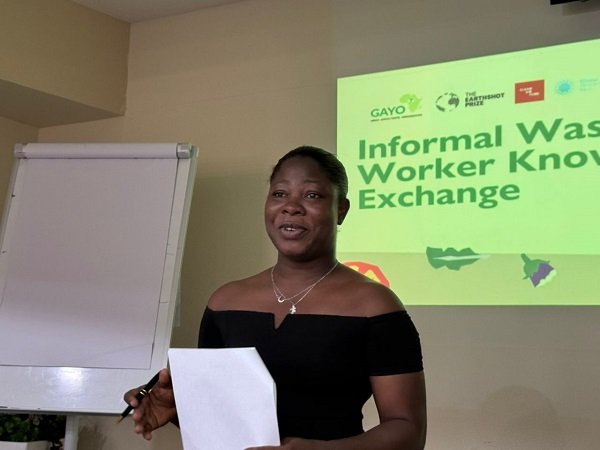
A three-day national Knowledge Exchange and Training programme aimed at recognising and integrating informal waste workers as key partners in climate action, urban sanitation and the circular economy has opened in Accra.
The workshop, which began yesterday and ends on January 30, is being organised by the Green Africa Youth Organisation (GAYO). It has brought together government officials, leaders of informal waste workers, civil society organisations and representatives of international waste picker movements.
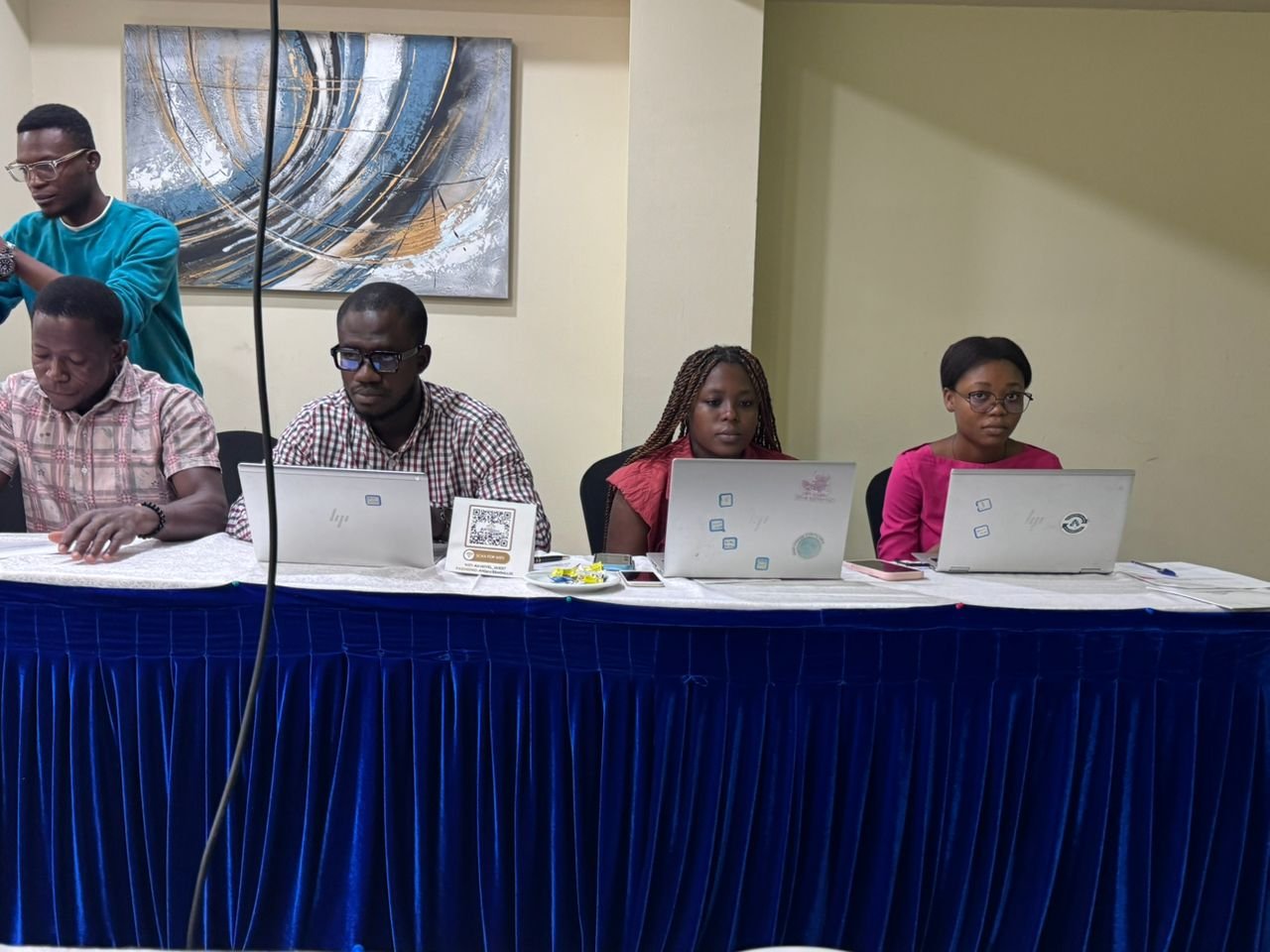
The engagement seeks to lay the foundation for nationwide mobilisation and unionisation of informal waste workers across all 16 regions of the country.
Presenting government’s policy direction, a Programme Officer on Climate Change and Sustainability at the Ministry of Local Government, Chieftaincy and Religious Affairs, Mr Emmanuel Dogbey, highlighted the central role informal waste workers (IWWs) play in Ghana’s waste management system.


He disclosed that the informal sector contributes up to 50 per cent of waste collection nationwide, while tricycle service providers alone transport about 39 per cent of all collected waste.
In major cities such as Accra and Kumasi, Mr Dogbey said waste recovery activities, driven largely by informal actors, have resulted in the recycling of about 18 per cent of collected waste, underscoring their importance to environmental protection and climate mitigation.
He stressed that informal waste workers were no longer peripheral actors but “critical stakeholders” in the waste management value chain, requiring deliberate integration into formal systems.
Mr Dogbey outlined policy measures including the registration, enumeration and profiling of informal recyclers, facilitation of cooperatives, provision of training, equipment and workspace, and their formal engagement in waste collection, recycling and litter management.
He cited pilot concession arrangements by the Accra Metropolitan Assembly as examples of emerging models for collaboration between municipalities and informal service providers.
He further noted opportunities arising from updated policy positions on informal enterprises, revised VAT regulations, the Extended Producer Responsibility (EPR) framework, private sector capacity-building plans, and the launch of Ghana’s first Occupational Safety and Health (OSH) profile.
However, Mr Dogbey acknowledged challenges such as scaling up source segregation, enforcing occupational health and safety standards, and resistance from some formal waste service providers to franchising and concession arrangements.
Addressing the gathering, the Project Coordinator for Zero Waste Cities in Accra at GAYO, Ms Mabel Naa Amorkor Laryea, described informal waste workers as the “backbone of the country’s recycling and recovery system,” despite operating without legal recognition, social protection or representation in governance structures.
She explained that the training was designed to equip seven Waste Worker Resource Persons with skills in ethical mobilisation, safeguarding, data collection and unionisation, ahead of a nationwide registration and mapping exercise.
Ms Laryea added that the workshop also created a platform for learning from established waste picker unions in India, Kenya, Brazil and South Africa, while strengthening linkages with Ghanaian labour unions and local government authorities.
By Cecilia Yada Lagba
Follow Ghanaian Times WhatsApp Channel today. https://whatsapp.com/channel/0029VbAjG7g3gvWajUAEX12Q
Trusted News. Real Stories. Anytime, Anywhere.
Join our WhatsApp Channel now! https://whatsapp.com/channel/0029VbAjG7g3gvWajUAEX12Q