Govt , UNFPA urged to consolidate gains in 2026
Stakeholders implementing programmes under the Government of Ghana/UNFPA Eighth Country Programme have been urged to consolidate gains made in 2025 and adopt a more deliberate, evidence-based approach in planning for 2026 to sustain impact across gender, health and youth development interventions.
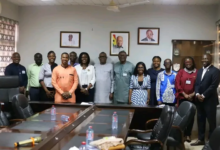
This call was made by the Chief Director of the Greater Accra Regional Coordinating Council (GARCC), Mrs Lilian Baeka, at an end-of-year review and planning meeting with Sub-Implementing Partners (Sub-IPs) held on Tuesday.
The meeting was attended by sector agencies, Metropolitan, Municipal and District Assemblies (MMDAs), civil society organisations and development partners to assess progress and align priorities for the coming year.
Mrs Baeka said the successful implementation of the 2025 workplan was a reflection of strong collaboration and commitment among partners.


She noted that significant progress had been recorded across coordination, gender, health and youth-focused interventions, supported by effective stakeholder engagement, monitoring activities and capacity-building initiatives at regional, district, facility and community levels.
In the area of gender and social protection, she said targeted activities aimed at addressing harmful practices, strengthening gender-based violence (GBV) response systems and building the capacity of gender desk officers and health facilities had improved awareness, coordination and service delivery across the region.
The Chief Director added that within the health sector, training programmes for midwives and service providers, strengthened supply chain monitoring, integration of family planning data into the District Health Information Management System (DHIMS), and the promotion of human rights-based and gender-transformative approaches had contributed to improved quality and responsiveness of reproductive health services.
Mrs Baeka also highlighted progress in youth engagement, citing youth-led town hall meetings and preparations for leadership and participation sessions as key efforts to position young people as active contributors to governance, planning and decision-making processes.
She stressed that while the meeting provided an opportunity to celebrate achievements, it was equally important for partners to openly discuss challenges, share lessons learned and align strategies to inform effective planning for 2026.
According to her, stronger coordination among Sub-IPs and closer collaboration with stakeholders would be critical to sustaining programme impact.
The Programme Analyst for Adolescent and Youth, UNFPA, Mr Ishmael Selassie, said the organisation’s support in 2025 focused largely on building the capacity of health systems to deliver quality services using updated approaches and strategies.
He said the interventions aligned with UNFPA’s broader goals of eliminating unmet need for family planning, reducing GBV cases and preventing maternal deaths, through strengthening both human resource capacity and institutional systems.
Mr Selassie also emphasised UNFPA’s focus on youth participation, particularly in supporting youth authorities to build the capacity of young leaders and integrate them into development planning processes.
He said this was especially important as 2025 marked the development of the next medium-term development plans.
He identified as a major success the development of youth-led medium-term plans in two assemblies, which had been submitted and were being followed through for inclusion in district and regional plans.
Looking ahead to 2026, Mr Selassie said the focus would shift towards service delivery, with emphasis on ensuring young people’s access to GBV and health services and their participation in decision-making structures, subject to the availability of resources and possible extension of the current country programme.
BY CECILIA YADA LAGBA