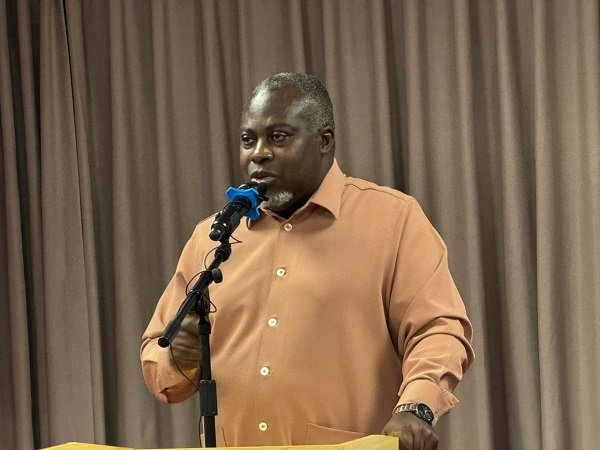
The Commissioner-General of the Ghana Revenue Authority (GRA), Mr. Anthony Kwasi Sarpong, has urged the media to intensify public education on the new tax reforms.
According to him, without clear and simplified communication to the public, voluntary compliance would remain low. He noted that many taxpayers hesitate to fulfil their obligations when they do not fully understand the tax system, stressing that the media must therefore help demystify the reforms taking effect in January 2026.
“If we do not explain the reforms in simple terms and create the necessary awareness, it becomes difficult for people to voluntarily comply. As we know, when payment comes directly from our pockets or wallets, it always comes with hesitancy,” he said.
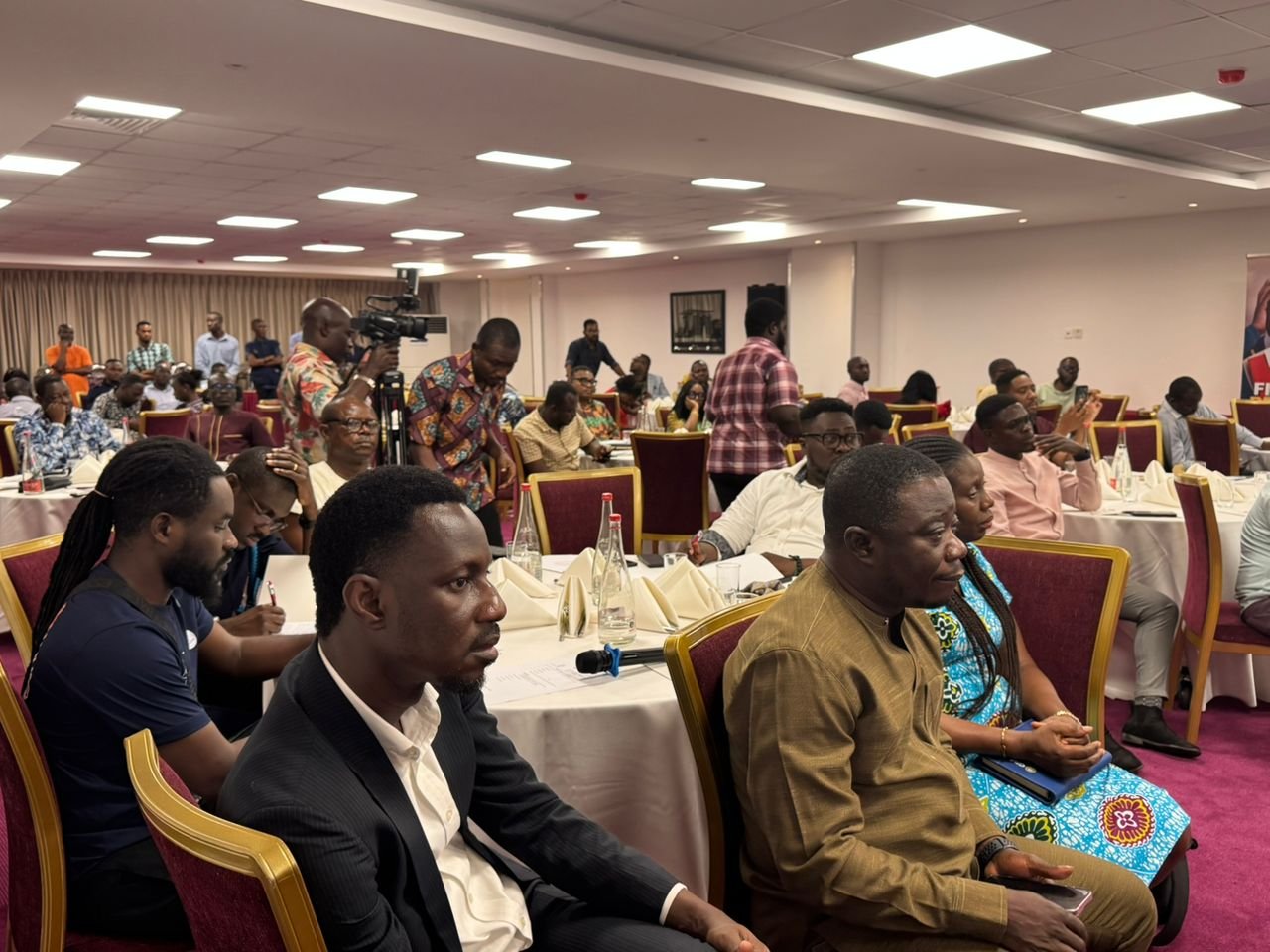
Addressing editors at a forum in Accra on Thursday, Mr. Sarpong described the media as a critical partner in the national tax education drive, particularly at a time when major changes were being introduced into the tax regime.


He said government’s 2026 Budget signalled one of the most comprehensive overhauls of the tax system in years, covering new legislation, technological interventions, and administrative restructuring.
The Commissioner-General emphasised that regular engagement with journalists would be essential to ensure that citizens understand the new measures and comply accordingly.
He explained that the reforms include a new VAT law, amendments signalled for both the Income Tax Act and the Customs Act, and the rollout of advanced digital systems to track revenue in real time. He said these policy shifts required strong public sensitisation as part of the broader change management process.
According to Mr. Sarpong, effective education will make the reforms easier for taxpayers to appreciate and for businesses to integrate into their operations without confusion. He noted that the issue was not unwillingness but inadequate awareness and the need for simpler processes.
Mr. Sarpong assured the media that the GRA valued their feedback and would rely on them to highlight implementation gaps and areas needing improvement.
“We may not always get it right, so we count on you as partners to whisper to us the areas we must strengthen,” he said.
The Commissioner-General urged editors to fully understand the reforms themselves so they could better educate the public, describing journalists as an essential extension of the Authority’s sustained tax education campaign.
On the substance of the reforms, Mr. Sarpong confirmed that the E-Levy and Betting Tax, while the VAT decoupling, which previously placed VAT on GETFund and NHIS levies, has been removed.
The Physical and Electronic Devices Act, the Commissioner-General said, would introduce automated VAT recording at retail and service points, ensuring real-time reporting and, in its next phase, direct remittances to government accounts.
“A new digital economy tax tool is being piloted to capture VAT on online purchases, crypto-asset gains, and cross-border digital transactions, ensuring parity between local and online buyers,” he disclosed.
The Assistant Commissioner of the GRA in charge of Customer Experience, Dr. Birago Antwi-Adjei, underscored the urgent need to improve public understanding of Ghana’s tax system.
She noted that tax compliance remains as low as 30 percent, with only 1.2 million people currently registered, a situation that threatens the country’s revenue mobilisation efforts. Relying heavily on enforcement alone, she warned, risks alienating the majority of taxpayers.
To tackle this, Dr. Antwi-Adjei said the Commissioner-General has established a Working Group to develop and implement a three-year national tax education strategy aimed at boosting voluntary compliance.
BY CECILIA YADA LAGBA
🔗 Follow Ghanaian Times WhatsApp Channel today. https://whatsapp.com/channel/0029VbAjG7g3gvWajUAEX12Q
🌍 Trusted News. Real Stories. Anytime, Anywhere.
✅ Join our WhatsApp Channel now! https://whatsapp.com/channel/0029VbAjG7g3gvWajUAEX12Q