IFS advocates greater state participation in extractive sector
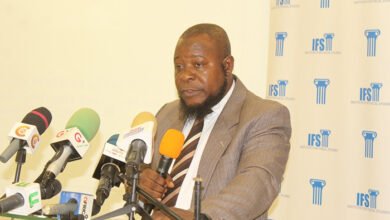
The Institute for Fiscal Studies (IFS) has called for active state participation in the extractive sector in order to raise more revenue for development.
According to the think tank, the current arrangement in the extractive sector, particularly the mining sector, where the government allocates concession to companies to mine, only to receive royalties and taxes did not augur well for the development of the country.

IFS which made the call in Accra yesterday at a presentation on the IFS’s assessment of the 2025 Mid-Year Budget Review and the government’s economic policy, said the concession system, placed the bulk of the resources in the hands of multinational companies, and that deprived the country of substantial benefits from its rich extractive sector.
The Acting Executive Director of the IFS, Dr Said Boakye, said greater state participation in resource extraction and the adoption of production-sharing agreements would not only boost revenue but also improve foreign exchange inflows, thereby strengthening the Cedi on a sustainable basis.


“Inadequate revenue generation has begun to impede government programmes. This calls for a reset of the revenue mobilisation strategy, with particular focus on the extractive sector. Our studies show that production-sharing agreements yield more substantial revenue compared with concessions,” he said.
Dr Boakye noted that initiatives such as the recently launched GoldBod, though useful, did not address the root cause of the government generating low revenue s from the country’s mineral resources.
“If the state, for example, holds majority stakes in the gold sector, there would be less need for an institution like the GoldBod which merely trades gold. Ownership of the resource should naturally accrue to the state as is the case with the Ghana National Petroleum Corporation’s share of oil,” he stressed.
He argued that Ghana could not continue to rely heavily on taxation for development, since the informal sector, was dominated by largely small business operators who could not contribute significantly to national revenue.
Over-taxation of the formal sector, he cautioned, risked collapsing businesses.
“What we are saying is not to drive away foreign investors, but to engage them fairly so that both parties benefit. At present, Ghana gets only about ten per cent of the value of gold produced, including supernormal profits which, by principle, belong to the state. By contrast, Botswana secures up to 95 per cent of such profits from its diamond sector,” he said.
Dr Boakye added that Ghana risked perpetuating an “anti-developmental” approach if it failed to act decisively to maximise benefits from its natural resources.
He cited the Gulf states which, after decades of granting concessions, eventually took control of their oil resources and transformed their economies.
For his part, Mr Leslie Dwight Mensah, a Research Fellow at IFS, cautioned the government against rushing back to the international gold market in search of financing to plug fiscal gaps.
He said such a move would worsen the already high debt levels, escalate debt servicing costs, and potentially plunge the country into another debt crisis.
Instead, Mr Mensah recommended that government prioritise revenue mobilisation from the extractive sector, ensure fiscal support to the financial sector is fully and transparently reported in the national accounts, and strictly adhere to commitment-based fiscal reporting.
“Ensuring that all interventions are properly captured will provide a clearer picture of fiscal sustainability and help determine the country’s real fiscal space and priorities,” he stated.
The IFS Research Fellow maintained that with fiscal discipline and a shift to production-based management of resources, Ghana could strengthen its foreign exchange reserves, stabilise the Cedi, and secure more predictable revenue streams for long-term development.