Levelling the playing field for pay equity in sports …even FIFA doesn’t get it!
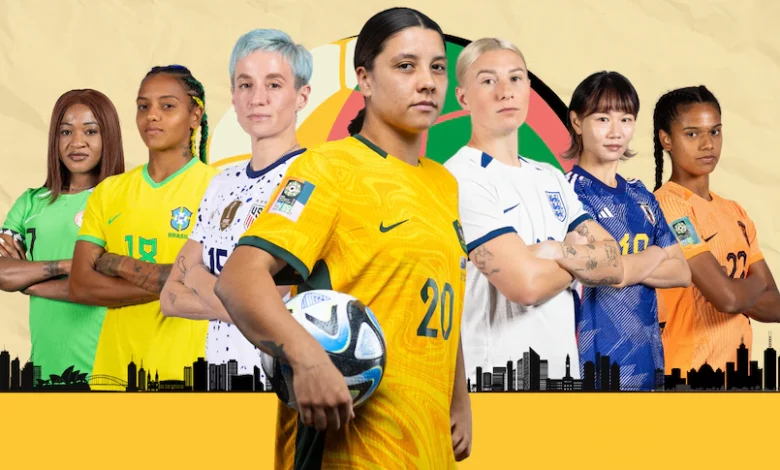
THE world of sports has long been a beacon of inspiration, enthusiasm, and unity, transcending national boundaries and cultural differences. Track, field, and court athletes dedicate their lives to mastering their craft, entertaining admirers, and representing their countries.
Underneath the glitz and grandeur of the sporting world, however, is an issue that requires attention and correction: pay equity in sports.
The gender pay discrepancy is one of the most glaring disparities in the sporting world. Across all athletic disciplines, female athletes have consistently earned considerably less than their male counterparts.
For instance, tennis has been at the forefront of pay equity discussions. Despite their exceptional skill and dedication, female tennis players earn significantly less in prize money and endorsement agreements than male players.
In 2007, one of the most prestigious tennis tournaments in the world, Wimbledon, awarded men and women equal prize money.
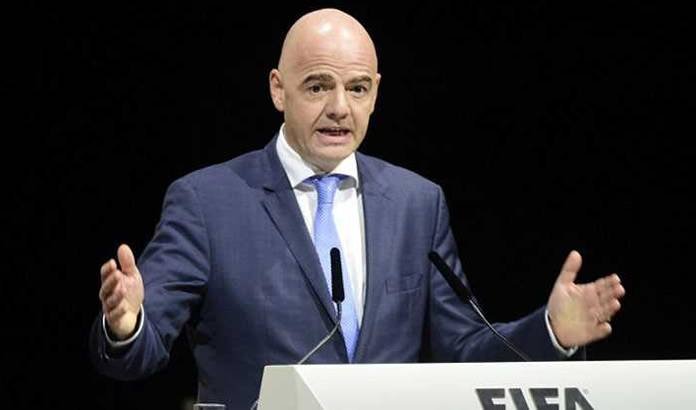
Soccer is another sport where the gender pay gap has been contentious. During the 2023 Women’s World Cup, FIFA boss Gianni Infantino triggered angst and fury after he told players to ‘convince us men’ in the quest for equal pay.
While the total prize money for the 2022 World Cup was USD 440 million, the 2023 Women’s World Cup total was a quarter of that amount—a paltry USD 110 million.
One would hope that a reputable federation such as FIFA would support the discussion on gender pay equity and be an example by implementing equal pay in its tournaments.
Still, the Football Body surprised the world with such a patriarchal stance. If the football governing body took such a stance, why would the Ghana Football Association not offer a prize money of GH¢300,000 to the winner of the men’s Premier League and GH¢50,000 to the winner of the women’s Premier League? This disparity affects the athletes and sends a discouraging message to aspiring female athletes worldwide.
Several factors contribute to the gender pay gap in sports. Historically, male sports leagues and tournaments have been established for extended periods and have had more time to develop larger audiences and revenue streams. This historical precedent often leads to the justification of pay disparities.
Unequal media coverage plays a significant role in perpetuating pay disparities. Male sports often receive more airtime and media attention, increasing advertising revenue and sponsorship opportunities. This bias affects an athlete’s earning potential, visibility, and marketability.
Male athletes often enjoy more extensive sponsorship deals than their female counterparts, mainly due to the larger viewership male sports attract.
This result in male athletes having multiple avenues to increase their income compared to female athletes. In Ghana, we can count the number of female athletes who have secured sponsorship deals, if any, compared to their male counterparts.
Despite these challenges, the fight for pay equity in sports has gained momentum recently. Athletes, advocacy groups, and governing bodies work tirelessly to address the gender pay gap, especially in developed countries.
Some athletes, like the United States Women’s National Team (USWNT), have resorted to legal action to fight for equal pay. This litigation has drawn attention and pressured sports organisations to address the disparities.
Female athletes and sports organisations should continue advocating for their rights and representation in decision-making bodies. They should use their platforms to raise awareness about pay equity issues.
Sponsors increasingly recognize the value of supporting female athletes. Initiatives like the WNBA’s partnership with Google and the “Dream Crazier” campaign by Nike are steps in the right direction, showcasing female athletes as powerful role models.
Media outlets are becoming more aware of their role in perpetuating gender inequalities in sports.
In Ghana, some media outlets give more coverage to female athletes and events, boosting their profiles and attracting more viewers.
Sports organizations, sponsors, and governments must invest more in women’s sports, including funding, facilities, and marketing. This will create a more level playing field and promote growth in female sports.
Educating the public about the pay gap and its consequences is crucial. Advocacy campaigns, documentaries, and discussions that shed light on the issue must be encouraged.
Pay equity in sports is not just about fair compensation; it’s about recognition, respect, and the future of women’s sports. As we celebrate the achievements of athletes, we must also acknowledge and address the disparities that persist. The battle for pay equity in sports is far from over, but the progress made in recent years is a testament to the dedication and determination of athletes and advocates worldwide.
By continuing to push for change, we can hope for a future where athletes are rewarded based on their skill and dedication rather than their gender. It’s time to level the playing field and ensure that the sporting world truly represents equality and fairness for all.
BY AGNES ADWOA ANIMA