Prof. Darkwah Calls for Stronger Support for Women Entrepreneurs

Prof. Akosua Darkwah, Professor of Sociology at the University of Ghana and Convenor of NETRIT, has urged stakeholders to rethink support structures for women entrepreneurs in Ghana. She emphasized the need to build a stronger ecosystem that fosters growth, innovation, and access to resources and networks for women-led businesses.

Speaking in Accra during a roundtable dialogue with the media, Prof. Darkwah stressed that providing credit or training alone is insufficient. A holistic approach is required to address the systemic barriers women entrepreneurs face.
“We need to create an ecosystem that encourages innovation, risk-taking, and collaboration among women entrepreneurs,” she said, urging stakeholders to work together to build a more enabling environment.
Prof. Darkwah highlighted the long-standing contribution of women to Ghana’s economy, noting historical involvement in market activities dating back to 1856. She also stressed the importance of assessing whether loans and resources given to women translate into real business growth, rather than simply covering operational costs.
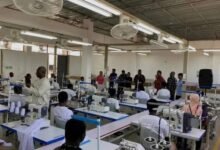
She recommended training programs that promote innovation and diversification, access to markets, payment platforms, and reliable transportation systems to facilitate the movement of goods. Additionally, she called for stronger partnerships, legacy projects, and systems to quickly resolve disputes, enabling women to recover investments and expand their enterprises.
Mrs. Eunice Agbenyadzi, Head of Programmes at STAR-Ghana Foundation, noted that women account for about 42% of micro, small, and medium-sized enterprises in Ghana, underscoring their economic significance. However, women-led businesses face unique challenges, including limited access to finance, market entry difficulties, lack of land, and skills gaps.
She emphasized collaborative efforts to support women entrepreneurs at all levels—from rural enterprises to large firms—through improved access to land, tailored financial products, and strengthened Women’s Development Banking Units within financial institutions.
“When women entrepreneurs succeed, income is generated, employment is created, and they contribute to building our economy. Yet women’s businesses face peculiar challenges,” Mrs. Agbenyadzi added.
The roundtable concluded with a consensus on the need for targeted interventions, infrastructure support, and strategic partnerships to ensure women entrepreneurs can thrive and make lasting contributions to Ghana’s economic development.
BY AGNES OPOKU SARPONG
Follow our WhatsApp Channel now! https://whatsapp.com/channel/0029VbAjG7g3gvWajUAEX12Q
Follow our WhatsApp Channel now! https://whatsapp.com/channel/0029VbAjG7g3gvWajUAEX12Q