
UN commended for adopting landmark reparatory justice resolution
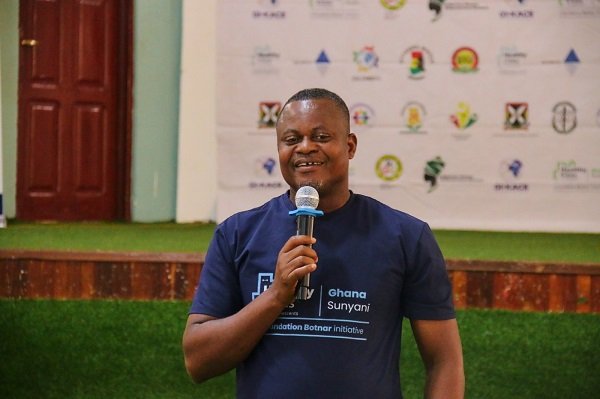
A human rights advocate and Chief Executive Officer of the Global Media Foundation (GLOMEF), Mr Raphael Godlove Ahenu, has commended the United Nations for adopting a landmark resolution on reparatory justice spearheaded by Ghana’s President, John Dramani Mahama, describing it as a defining moment in the global quest for justice.
The resolution, adopted by the United Nations General Assembly (UNGA), recognises the transatlantic slave trade as one of the gravest crimes against humanity and calls for a coordinated international response to address its enduring consequences.
The measure, which received the backing of a strong majority of UN member states, reflects growing global recognition of the long-term social and economic impact of slavery, colonialism, and systemic inequality on people of African descent.
Ghana’s leadership in championing the resolution places the country at the forefront of international advocacy for historical accountability and restorative justice.


The initiative, introduced under the leadership of President Mahama, rallied support from African countries and members of the African diaspora, and seeks to promote global dialogue on the legacy of slavery and pathways for justice.
The resolution highlights that the legacy of slavery continues to manifest in economic disparities, racial inequalities, and structural injustices affecting people of African descent across the world.
Although the resolution is non-binding, it encourages member states to explore meaningful reparatory measures, including formal apologies, economic investments in affected communities, and the restitution of cultural and historical artefacts.
Reacting to the development in a statement signed by Mr Ahenu, the human rights crusader described the resolution as a long-overdue recognition of historical injustice.
“This is a victory not only for Africa but for humanity as a whole. It represents a bold step towards correcting centuries of injustice and restoring dignity to millions affected by the legacy of slavery,” he stated.
He also commended the United Nations for demonstrating leadership in addressing what he described as one of the darkest chapters in human history.
Despite the widespread support, the resolution has sparked debate in some Western countries, where concerns have been raised about the potential legal and financial implications of reparations.
However, proponents argue that genuine reconciliation requires acknowledgment of historical wrongs, accountability, and concrete actions to address their lasting impact.
The resolution also aligns with broader continental initiatives led by the African Union (AU), which has intensified advocacy for reparatory justice for Africa and people of African descent.
Observers say the adoption of the resolution signals a shift in international discourse from mere recognition of historical injustices towards exploring practical pathways for justice, reconciliation, and healing.
FROM DANIEL DZIRA
SAH, SUNYANI
Follow our WhatsApp Channel now! https://whatsapp.com/channel/0029VbAjG7g3gvWajUAEX12Q
Follow our WhatsApp Channel now! https://whatsapp.com/channel/0029VbAjG7g3gvWajUAEX12Q
