45% of Madina youth have used drugs — NACOC

THE Narcotics Control Commission (NACOC) has identified Madina, a suburb of Accra, as a priority zone for drug prevention and enforcement after a study revealed that 45 per cent of young people in the area have used substances for non-medical purposes.
Against this backdrop, the Commission has stepped up efforts to address drug abuse, strengthen community-based prevention programmes and clamp down on local drug supply.
The Director-General of NACOC, Major General Maxwell Obuba Mantey, said the study, which gathered responses from young people in Madina, Tema West, Adentan and Pantang, had provided critical evidence to guide interventions against substance abuse.
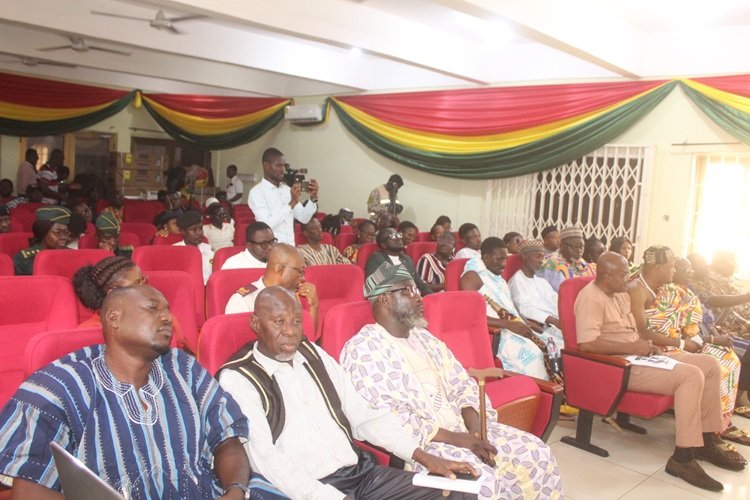
Maj. Gen. Obuba Mantey, whose speech was read on his behalf at a stakeholder dialogue in Accra on Wednesday, on the theme, “Youth Substance Use: From Research Findings to Coordinated Community Response,” stated that for years, responses to drug use in communities had largely been driven by public concern and assumptions rather than reliable data on who used drugs, the substances involved and the reasons behind their use.


“We have written reports, painted posters, made arrests. All of this is valid. However, we have been very limited in our ability to confidently say who is using, what they are using, and why,” he highlighted.
He said that although nearly 95 per cent of young people in Madina were aware of drugs and their harmful effects, substance use remained high.
The study, he emphasised, further revealed that nearly eight out of 10 users wanted to quit, but only 10 per cent had received assistance.
“Most people who attempted to quit relapsed, with stress as the primary cause. Less than one per cent had been formally treated, despite Pantang Psychiatric Hospital being in the municipality,” he revealed.
Major General Mantey said the findings underscored the need to move beyond awareness campaigns and arrests to provide accessible support for young people struggling with substance use.
He said NACOC would prioritise Madina through stronger action against local drug supply and intensified prevention efforts.
He said his office remained open to recommendations from researchers, experts and health professionals, as well as partnerships with institutions working to address the problem.
“If you have a better idea, bring it forward. If you have a proven approach, share it. My office will help open the door that needs opening,” he assured.
For his part, the Member of Parliament for Madina, Mr Francis-Xavier Kojo Sosu, said the establishment of the Madina Job Centre in 2019 was informed by the understanding that unemployment, lack of income and hopelessness could expose young people to drug abuse.
The Municipal Chief Executive of La Nkwantanang-Madina, Mr Ibrahim Faila Fusseni, said the dialogue marked an important step towards safeguarding the health, security and future of young people in the municipality.
He indicated that the municipality had experienced rapid urbanisation, commercial expansion and population growth in recent years, making coordinated action necessary to address the challenges confronting its youth.
BY AGNES OWUSU