EPA advances plan to phase out styrofoam
THE Environmental Protection Authority (EPA) has explained that the intended ban on the production, importation, sale, distribution and use of polystyrene foam products is aimed at reducing pollution, protecting public health and encouraging the adoption of environmentally friendly alternatives to styrofoam packaging.
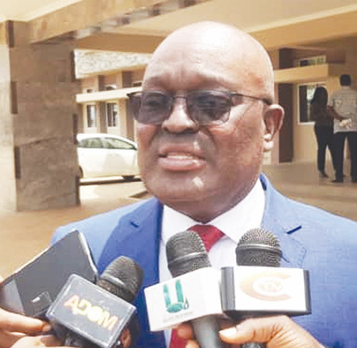
The Ashanti Regional Director of the EPA, Dr Jackson Adiyiah Nyantakyi, who outlined the policy and its implementation roadmap, said styrofoam products posed significant environmental challenges because of their chemical composition, durability and inability to biodegrade easily.
Speaking at a side event at COP31 in Antalya, Türkiye, on Wednesday, he explained that the lightweight nature of the products made them easily dispersed by wind, contributing to littering and drainage blockages across communities.
Dr Nyantakyi said the materials also presented serious challenges for waste management because they were difficult and expensive to recycle.


“Because of its lightweight nature, it spreads very easily when it gets into the environment, and people dispose of it anyhow. This contributes to the sanitation and drainage challenges we have in the country,” he said.
According to Dr Nyantakyi, the policy was also informed by concerns about the potential health effects of chemicals associated with the products, including substances linked to cancer.
He stated that styrofoam materials contained chemical components that could pose health risks, while their breakdown into smaller particles contributed to the growing problem of microplastics in the environment.
He noted that microplastics had been detected in various environmental systems, with scientific research also raising concerns about their presence in the human bloodstream.
Dr Nyantakyi said the government was, therefore, prioritising public health and environmental protection in implementing the ban.
He explained that the transition would be managed through continued consultations with industry players to minimise disruptions and prevent businesses from being taken by surprise.
On alternatives, Dr Nyantakyi encouraged the public and businesses to return to traditional biodegradable materials, including leaves used for wrapping and serving food.
A Director at the Greater Accra East Region of the EPA, Mr Samuel Oteng, who is also involved in the implementation process, said importers had been advised to stop placing new orders, taking into consideration the estimated two-to-three-month importation cycle.
He mentioned that the EPA was also working with local manufacturers to encourage them to explore other products and business opportunities.
He indicated that only a limited number of companies, estimated at about six, were involved in the local production of the affected products.
The EPA said public education and sensitisation activities had already begun to prepare communities for the change, with particular attention to retailers, market operators, food vendors and consumers.
The decision to ban styrofoam followed a directive by President John Dramani Mahama on June 5, 2025, asking the EPA to develop a roadmap towards phasing out styrofoam food containers in Ghana.
The ban will apply to all forms of expanded polystyrene foam products, including food packaging containers, disposable cups and plates, takeaway packs used by restaurants and chop bars, foam mattresses, ceiling and insulation materials, as well as packaging and cushioning materials.
FROM DANIEL DZIRASAH, ANTALYA, TÜRKİYE (COURTESY OF JOSPONG GROUP)
SKIP THE QUEUE, TAP THE NEWS

Read the Ghanaian Times and The Spectator newspapers from the comfort of your device via TimesNewsPlus.
Follow our WhatsApp Channel now! https://whatsapp.com/channel/0029VbAjG7g3gvWajUAEX12Q