Africa’s financial future will depend on stronger cross-border cooperation – First Deputy Governor
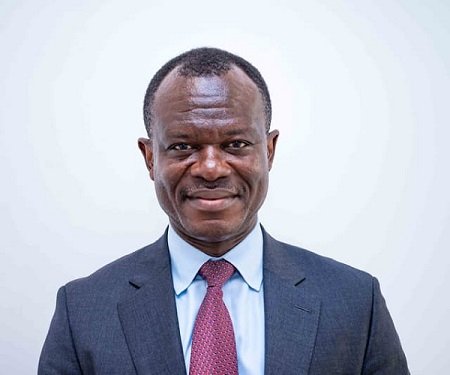
Africa’s financial future will depend on stronger cross-border cooperation, regulatory alignment and sustained investment in digital infrastructure, the First Deputy Governor of the Bank of Ghana, Dr Zakari Mumuni, has said.
According to him, fragmented payment systems, inconsistent regulatory frameworks and limited interoperability among African financial systems continued to hinder efforts to build an integrated digital economy capable of supporting inclusive growth across the continent.
Delivering the closing keynote address at the 3i Africa Summit 2026 in Accra on Friday, Dr Mumuni urged African governments, regulators and financial institutions to accelerate efforts to establish a connected digital financial system.
“The next frontier in Africa’s financial future is not ahead of us — it is being decided in this room now, by the choices we make,” Dr Mumuni told delegates at the summit, which focused on innovation, inclusion and investment in Africa’s digital economy.

According to him, Africa already possessed many of the foundations required for financial transformation, including mobile money platforms, instant payment systems, agent banking networks and government-led digital transfer programmes.
However, he warned that without deliberate coordination among governments and financial regulators, the vision of a single digital market would remain unattainable.
“Without deliberate coordination, these gaps will persist and the promise of a single digital market will remain out of reach,” he stated.
Dr Mumuni stressed that governments and central banks must play a leading role in shaping the continent’s digital financial ecosystem rather than leaving developments entirely to market forces.
He said policymakers and regulatory authorities had a responsibility to ensure that innovation strengthened financial stability, enhanced public trust and promoted financial inclusion while also protecting consumers against emerging risks associated with rapid digitisation.
The Deputy Governor identified cybersecurity threats, misuse of data, irresponsible digital lending practices and increasing market concentration as some of the major concerns confronting Africa’s evolving digital finance sector.
“At every step, we must ask a fundamental question: who benefits, and are we expanding inclusion in practice, not just in promise?” he said.
Dr Mumuni further urged African countries to move beyond pilot initiatives by adopting clear implementation timelines and strengthening partnerships aimed at linking payment systems across borders.
He also called for greater investment in digital public infrastructure, supervisory capacity and skills development to support the growth of a continent-wide financial ecosystem.
Reflecting on the significance of the summit, Dr Mumuni said the long-term success of the 3i Africa Summit would not be measured by the quality of discussions held during the event, but by the extent to which governments and institutions translated their commitments into concrete reforms and measurable outcomes.
“Do our collaborations endure? Do our reforms materialise? Do our institutions translate insight into execution?” he queried.
Dr Mumuni urged African leaders and institutions to leave the summit with “clarity and resolve” to connect systems, align policies and implement reforms on a large scale to transform the continent’s financial landscape in the years ahead.
BY KINGSLEY ASARE
Follow our WhatsApp Channel now! https://whatsapp.com/channel/0029VbAjG7g3gvWajUAEX12Q