Amnesty International has renewed its call on the government to pass the Anti-Witchcraft Accusations Bill, six years after the lynching of 90-year-old Akua Denteh at Kafaba in the Savannah Region.
The organisation said the continued delay in passing the bill meant that authorities had failed in their duty to protect hundreds of victims of witchcraft accusations across the country.
Akua Denteh was beaten to death on July 23, 2020, after she was accused of witchcraft. Disturbing footage of the incident showed two women assaulting her. The pair were later convicted and sentenced to 12 years’ imprisonment in 2023 for manslaughter.
In a statement copied to The Ghanaian Times in Accra yesterday, Amnesty International noted that many other women accused of witchcraft had been forced to flee their communities for fear of their lives.


It described Akua Denteh’s case as “one of the heart-wrenching examples of the dire consequences of witchcraft accusations”.
The statement said the anniversary of her death served as a stark reminder of the urgent need to prevent further abuses and protect innocent lives.
The Executive Director of Songtaba, a partner organisation of Amnesty International, Lamnatu Adam, said witchcraft accusations often originated within families or communities, usually following tragic events such as illness or death.
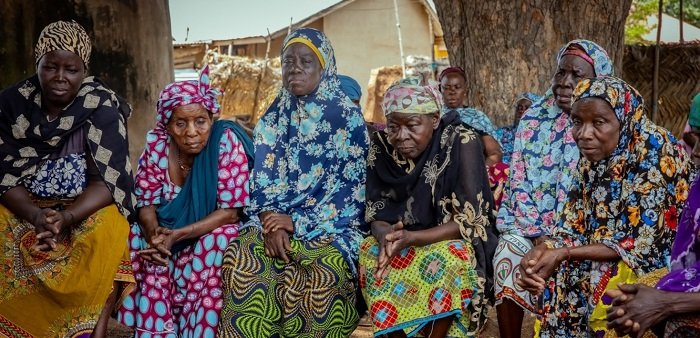
She explained that older women, particularly those living in poverty or with health conditions or disabilities, were more vulnerable. Women who did not conform to traditional gender roles were also at risk.
Ms Adam said women accused of witchcraft often had nowhere safe to go except to camps overseen by religious leaders. Although the camps provided some form of shelter, she noted that conditions there were poor.
Amnesty International’s 2025 report, “Branded for Life,” documented inadequate access to health care, food, clean water, safe housing and economic opportunities in such camps.
The organisation stressed that while belief in witchcraft was protected under international law, harmful practices arising from such beliefs were not and must be addressed.
Ms Adam said witchcraft accusations and related abuses violated fundamental human rights, including the rights to life, security and freedom from discrimination, and therefore must be criminalised.
Parliament passed the Anti-Witchcraft Accusations Bill in July 2023, but it was not assented to by then President Nana Addo Dankwa Akufo-Addo, who cited constitutional concerns, noting that it had been introduced as a private member’s bill rather than a government-sponsored one.
The bill sought to criminalise witchcraft accusations, provide protection and support for victims, and create a legal framework for justice and compensation.
Since then, the bill has not been reintroduced to Parliament.
Amnesty International said the passage of the bill would be a significant step towards protecting victims and ensuring justice.
It therefore urged the authorities not to delay any further in providing protection, justice and reparations for women accused of witchcraft.
In an April 2025 report, the organisation documented conditions in four informal camps where hundreds of accused persons, mostly older women, lived with limited access to basic services.
It said further testimonies gathered in April and May 2026 from three camps painted a similar picture. Meanwhile, a petition launched by Amnesty International in November 2025 calling for the adoption of the bill has so far attracted nearly 19,000 signatures
BY TIMES REPORTER
ollow our WhatsApp Channel now! https://whatsapp.com/channel/0029VbAjG7g3gvWajUAEX12Q