Circular economy can create jobs – Expert
The Venture Studio Lead Expert at the Circular Economy Office in Ho, Mr Richmond Quayson, has called on the youth to embrace the circular economy and develop innovative ideas that can turn waste into useful products while helping to eliminate waste in their communities.
He said the youth were the future leaders of the country and could not afford to fail the nation.
He urged them to take advantage of opportunities under the circular economy to transform their lives.
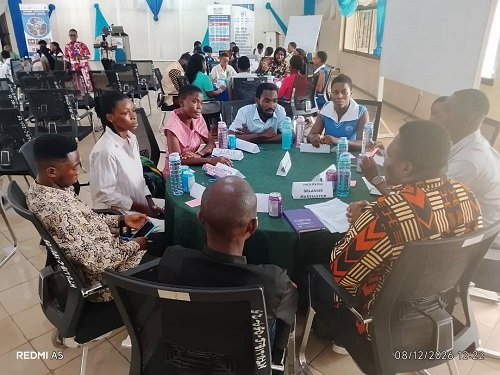
Mr Quayson made the call at a forum in Ho to mark the 2026 International Youth Day celebration.


It brought together young people to discuss the relevance of the circular economy to business development, innovation, job creation and environmental protection.
He said the Circular Economy Office was prepared to support young people to bring about meaningful transformation through the value chain of plastic waste materials and promote a clean and healthy environment.
Mr Quayson urged the youth to take up the challenge of bringing positive change to their communities, assuring them that the Circular Economy Office at the Ho Technical University (HTU) was committed to providing technical support to Ghanaians, particularly young people interested in business, waste prevention and the transformation of waste materials into useful products.
He said the office was open to people with innovative ideas that could be developed into viable businesses and create jobs.
Mr Quayson said the circular economy played an important role in supporting enterprises in agriculture, textiles and other sectors, adding that technical universities across the country had an important role to play in ensuring its success.
The Chief Executive Officer (CEO) of Deecom Nutrifood Limited, Mr Desmond Anokye Ntim, said innovation and product development required high levels of discipline and resilience.
He said, for instance, that his business was built around adding value to agricultural products, particularly soybeans, by producing nutritious food products.
Mr Ntim explained that waste generated from soybean production did not necessarily have to be discarded but could be transformed into animal feed because it was rich in protein and fibre.
He said the circular economy challenged the youth to think critically and develop products from materials that would otherwise have been thrown away as waste.
According to him, the concept also challenged Ghanaians to move away from the traditional “use and dispose of” model towards systems that encouraged people to reduce waste, recover and regenerate materials, and create value from what would otherwise become waste.
The programme was implemented by the United Nations Industrial Development Organisation (UNIDO) and sponsored by Global Affairs Canada, on the theme: ‘Youth Shaping Ghana’s Circular Economy: From Ideas to Action.’
FROM SAMUEL AGBEWODE, HO
Follow our WhatsApp Channel now! https://whatsapp.com/channel/0029VbAjG7g3gvWajUAEX12Q