DOUBLE ILLEGALITY: HOW ILLEGAL MINING OPENS GHANA’S FOREST TO TIMBER EXPLOITATION
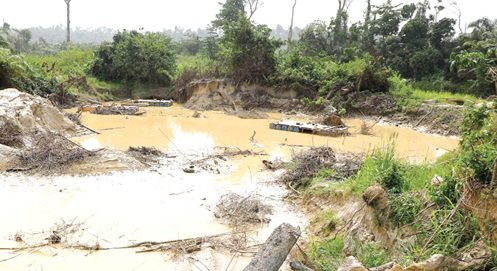
For decades, the Oda River Forest Reserve in Ghana’s Ashanti Region served as a lifeline for surrounding communities, providing water, forest products and ecological protection for farmers whose livelihoods depended on the natural environment.
But for Aunty Maggie, a 60-year-old resident of Aboaboso near Jacobu in the Amansie Central District, the forest that once represented security and survival has become a painful reminder of how quickly natural resources can disappear.
“We can no longer use it for anything because it has been heavily polluted by illegal miners. Now, we buy sachet water when we are going to farm,” she said.
Her experience reflects the growing concerns among communities living around Ghana’s forest reserves, where illegal mining, popularly known as galamsey, has transformed landscapes, polluted water bodies and created new challenges for forest protection.
According to Aunty Maggie, the changes began when miners entered the area in search of gold. As mining activities expanded, she said other forms of exploitation also increased, placing additional pressure on the remaining forest resources.
She recalled a time when community members protected the forest because they understood its importance to their survival.
Today, she said, those efforts have become increasingly difficult because some individuals involved in illegal activities are believed to have weapons and strong connections.
“Challenging them can lead to problems, so we stay away,” she said.
The Oda River Forest Reserve is one of the 13 forest reserves located within the Bekwai Forest District of the Forest Services Division of the Forestry Commission.
Established in 1931 and covering approximately 16,200 hectares, the reserve is recognised for its biodiversity, water resources and ecosystem services.
However, years of illegal mining have altered parts of the landscape.
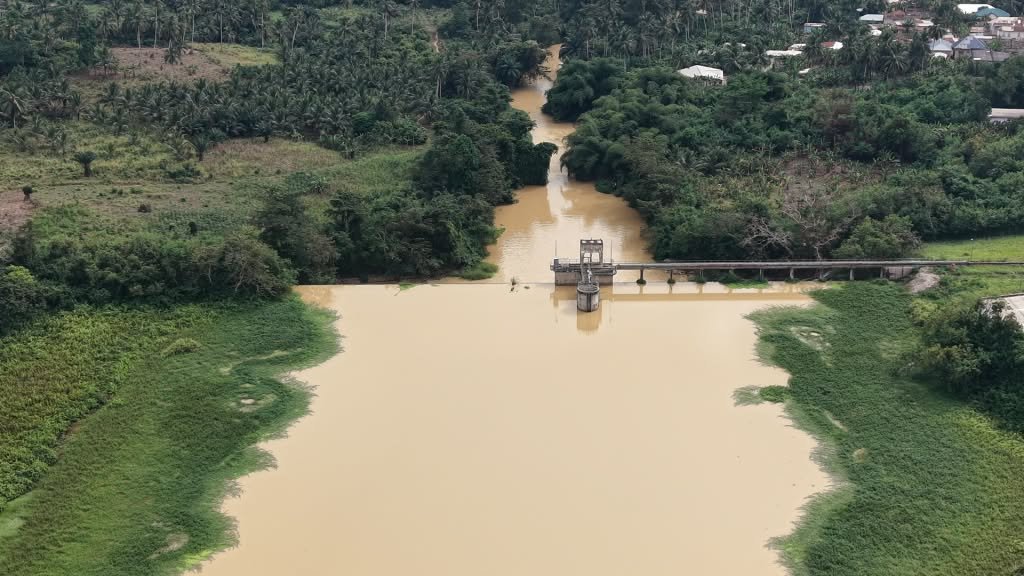
The Oda River, once an important tributary within the Offin River system, now carries muddy, silt-filled water in some areas, with eroded riverbanks and visible signs of environmental disturbance linked to mining activities.
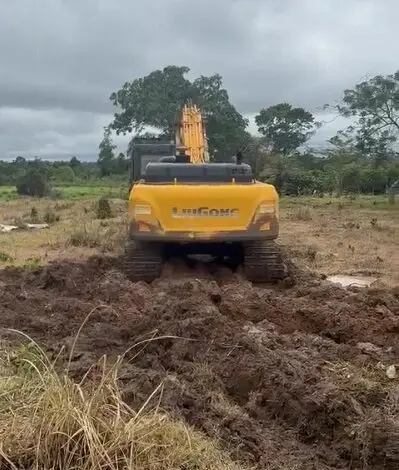
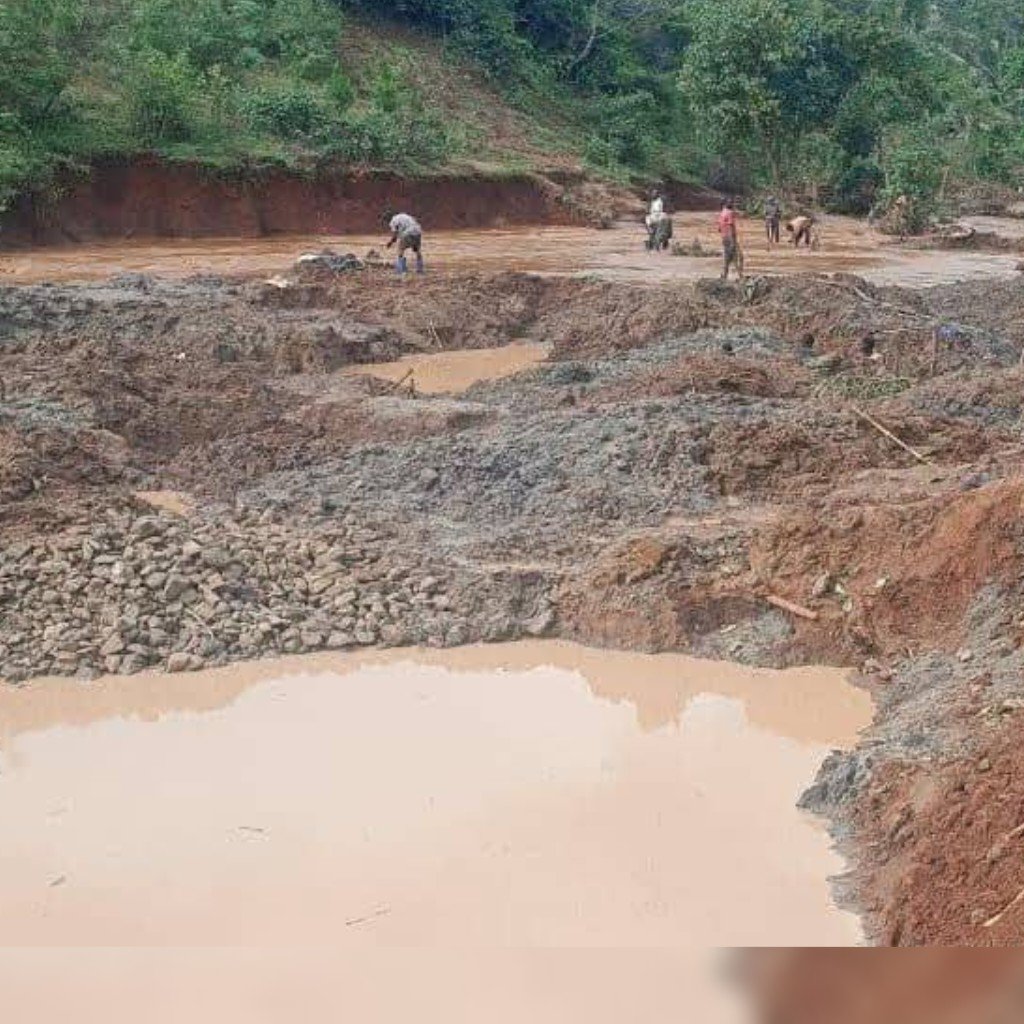
During visits to affected forest areas in parts of the Ashanti, Western and Eastern Regions, similar scenes were observed — abandoned mining pits, damaged vegetation, excavator tracks and tree stumps showing the extent of pressure placed on Ghana’s forests.
The destruction of forest landscapes has become a national concern.
According to data from the Global Forest Watch Ghana forest dashboard, Ghana recorded a loss of 1.9 million hectares of tree cover between 2001 and 2025.
The decline in forest cover has raised concerns about biodiversity loss, climate impacts and the ability of ecosystems to continue providing essential services such as clean water and fertile soils.
A 2025 study led by Prof. Simon Abugre, Associate Professor at the Department of Forest Sciences at the University of Energy and Natural Resources (UENR), examined the ecological consequences of illegal gold mining in the Oda River Forest Reserve.
The study, titled “Forest Landscape Degradation, Carbon Loss and Ecological Consequences of Illegal Gold Mining in Ghana,” assessed changes in forest cover between 2018 and 2023.
Researchers found that mined areas recorded significant reductions in plant diversity, including trees, shrubs and climbers, compared with areas that had not been disturbed.
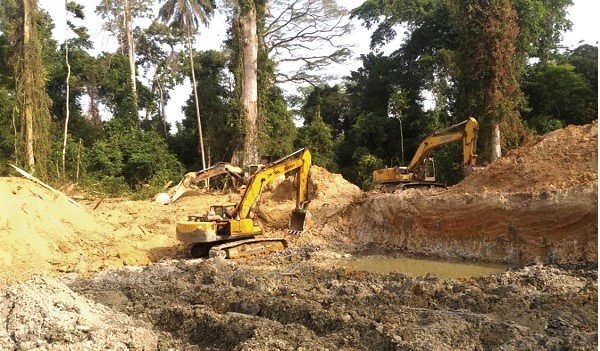
In heavily mined locations, vegetation was completely absent, leaving behind degraded landscapes with reduced biodiversity and weakened ecosystem functions.
The research also found that forest cover in the reserve declined from 16,959.89 hectares in 2018 to 15,952.82 hectares in 2023, while the area affected by illegal mining increased from 52.78 hectares to 1,059.85 hectares within the same period.
The findings reinforce concerns raised by environmental organisations about the wider consequences of forest destruction.
A study by WaterAid, in partnership with Tree Aid, titled “From Roots to Rivers: How Deforestation Impacts Freshwater Access,” highlighted the relationship between declining forest cover and water security.
The research linked forest loss to reduced protection of water sources and increasing risks to freshwater availability.
For communities such as Aboaboso, those impacts are no longer theoretical.
They are reflected in polluted streams, longer journeys to access clean water and growing uncertainty about the future of farming activities that depend on healthy ecosystems.
The scale of degradation has also been documented by government agencies.
An aerial assessment by the Forestry Commission in late 2024 estimated that illegal mining had degraded about 8,924 hectares across 45 forest reserves and one national park by December 2024.
This represented an increase from 5,253 hectares recorded in 2021.
The Chief Executive Officer of the Forestry Commission, Dr Hugh Brown, attributed part of the increase to changes in forest protection arrangements.
Speaking to journalists in Accra on March 4, 2026, he said the withdrawal of military personnel from forest protection duties in 2023 affected enforcement efforts at a time when illegal mining activities were expanding.
He also cited staffing and logistical challenges, noting that the Forestry Commission faced a shortfall of 2,334 personnel needed for effective monitoring and protection of forest areas.
Despite the challenges, Dr Brown said the Commission had intensified patrols, supported reclamation activities, undertaken tree planting initiatives and strengthened collaboration with security agencies.
The Minerals Commission has also maintained that mining activities inside protected forest reserves are not authorised unless all legal requirements have been satisfied.
The Acting Chief Executive Officer of the Commission, Martin Kwaku Ayisi, said the absence of legally approved mining areas was one factor contributing to illegal mining.
Speaking before Parliament’s Government Assurances Committee on October 7, 2024, he called for increased geological exploration to identify gold-bearing areas that could be allocated legally to small-scale miners.
According to him, most mining activities currently taking place inside forest reserves are illegal and are being conducted without approval.
For former illegal miner Prince Arhinful, operations in forest reserves often begin after miners receive information about possible gold deposits.
He explained that miners create access routes through forest vegetation to transport excavators, water pumps and other equipment into restricted areas.
“In some cases, abandoned logging tracks are reused to access deeper sections of the forest,” he said.
“The aim is to extract as much gold as possible before security agencies detect the activity.”
He acknowledged that clearing vegetation is a routine part of preparing mining sites and that the environmental consequences become visible after operations begin.
“When the forest is cleared, you see it. Rivers become muddy and the land is exposed,” he said.
However, beyond the immediate destruction caused by mining, environmental experts say the changes created within forest landscapes may introduce additional risks — including making forest monitoring more difficult and increasing vulnerability to other forms of illegal exploitation.
Dr Doreen Asumang-Yeboah, Executive Director of Rights and Advocacy Initiatives Network (RAIN), is of the view that illegal mining and illegal logging often occur within the same forest landscapes, but responses to the two issues are not always coordinated.
She said when forests are cleared, access routes are created and enforcement becomes difficult, adding that monitoring these areas becomes more challenging.
According to her, treating illegal mining and illegal logging as separate problems could leave gaps that individuals involved in environmental crimes may exploit.
These concerns have brought renewed attention to Ghana’s timber supply chain, particularly the systems designed to ensure that timber entering the market comes from legal sources.
Mr Samuel Amponsah, a forestry expert, explained that once illegally harvested timber enters a legitimate supply chain, tracing its source becomes more difficult.
He said the challenge is not only about illegal harvesting but also about weaknesses in systems responsible for monitoring, verification and enforcement.
A 2024 study by Tropenbos International, titled “Assessing Illegal Logging in Ghana,” estimated that between 2.3 million and 2.7 million cubic metres of timber harvested annually in Ghana come from illegal sources.
The study suggested that illegal timber represents a significant proportion of Ghana’s total timber harvest.
Other research has also highlighted concerns about the domestic timber market, where illegal chainsaw lumber production remains widespread.
However, Albert Katako, Head of Programmes at Civic Response, said Ghana had made progress in improving timber traceability systems, but challenges remained in implementation and enforcement.
“There are still loopholes that allow illegally harvested timber to enter the market,” he said.
Mr Katako explained that forest areas affected by illegal mining could present additional monitoring challenges because several activities may take place within the same landscape.
According to him, strengthening surveillance, improving traceability systems and closing enforcement gaps would be necessary to reduce the risk of illegal timber entering legitimate markets.
The concerns extend beyond conservation and regulation to Ghana’s legal timber industry.
The Chief Executive Officer of the Ghana Timber Millers Organisation (GTMO), Dr Kwame Asamoah Adam, said the degradation of forest resources through illegal activities was also creating challenges for legitimate timber operators who depended on legally sourced wood.
Dr Adam said the continued destruction of forest resources could undermine the sustainability of the legal timber industry by reducing the availability of timber and putting additional pressure on operators who comply with the law.
He called for stronger enforcement of forestry regulations and closer coordination among institutions responsible for forestry, mining and law enforcement to protect forest resources and ensure that legitimate operators were not disadvantaged by illegal activities.
He said protecting Ghana’s remaining forests was therefore not only an environmental concern but also essential to sustaining the country’s legal timber industry and the livelihoods that depend on it.
For some chainsaw operators, access remains one of the factors influencing illegal timber harvesting.
Kofi Asare, a chainsaw operator, said access to timber and the difficulty of obtaining legally sourced wood could push some operators to harvest trees outside the approved system.
He said the situation was particularly difficult for small-scale operators who lacked the resources and connections needed to secure legal timber sources, making some of them dependent on informal channels to obtain wood.
His account highlights the complex relationship between environmental degradation, economic pressure and illegal exploitation of forest resources.
The Forestry Commission maintains that Ghana has systems in place to prevent illegally sourced timber from entering formal markets, particularly the export sector.
The Executive Director of the Timber Industry Development Division (TIDD) of Forestry Commission, Dr Richard Gyimah, said illegally sourced timber could not be exported because of Ghana’s timber tracking and monitoring systems.
He said interventions such as increased surveillance in high-risk areas, joint operations with security agencies and improved compliance monitoring had strengthened the country’s timber legality assurance systems.
According to him, the systems provide a mechanism for tracking timber from sources through processing and onward to the point of export, making it possible for authorities to verify whether timber being prepared for shipment has been legally sourced.
Dr Gyimah said the controls were designed to ensure that timber presented for export could be linked to an approved source and passed through the required regulatory checks before leaving the country.
He said this made the export sector different from less regulated points in the domestic timber trade, where questions about the origin of timber could be more difficult to establish.
However, Mr Samuel Mawutor, Senior Advisor for Africa Campaigns at Mighty Earth, on his part argued that challenges remain, particularly within the domestic timber market, where monitoring and traceability mechanisms are not as stringent as those applied to timber destined for export.
He said weaknesses in the domestic market could create opportunities for timber harvested outside approved channels to be traded and sold, making it difficult for authorities to establish the exact source of some timber products.
According to him, while Ghana has strengthened its systems for tracking timber intended for export, greater attention is needed to improve monitoring of timber that remains within the country.
Mr Mawutor stressed that efforts to curb illegal logging must therefore go beyond export controls and address gaps across the entire timber supply chain, including harvesting, transportation, processing and domestic sales.
He called for stronger enforcement, improved transparency and more effective monitoring to ensure that illegally harvested timber does not find a market locally.
For communities surrounding affected forests, the debate about governance systems is reflected in everyday struggles.
Francis Asamoah, a youth leader in Jacobu, said environmental degradation had affected livelihoods that previously depended on farming and forest resources.
He said polluted water sources had forced residents to travel longer distances in search of clean water.
“Our mothers, children and wives walk long hours to get water. This has also affected school attendance in some cases,” he said.
Mr Asamoah said the attraction of quick income from illegal mining had also drawn some young people away from farming and other traditional livelihoods.
While acknowledging the economic difficulties facing young people, he said the long-term consequences of environmental destruction could reduce opportunities for future generations.
He called for increased investment in skills training, youth employment programmes and alternative livelihood initiatives.
The damage of Ghana’s forests does not end when the excavators and mining equipment leave. In some areas, the destruction can leave the land exposed to other forms of exploitation, including the cutting and movement of timber.
For communities that depend on the forests for farming, water and other livelihoods, the loss goes beyond trees. It can affect their daily lives and the resources they depend on.
The findings point to the need for stronger protection of degraded forest areas, closer monitoring of timber from the point of harvest to the market, and effective enforcement of the laws governing both mining and forestry.
This story was produced with support from Internews’ Earth Journalism Network.
By Benedicta Gyimaah Folley