THE Ghana Chamber of Mines (GCM) has called for the introduction of a Minerals Revenue Management Act to ensure that proceeds from the country’s mineral resources are prudently managed and invested to benefit future generations.
The chamber said the proposed legislation should provide a framework for setting aside part of mineral revenues for economic stabilisation, intergenerational equity and the development of indigenous mining businesses.
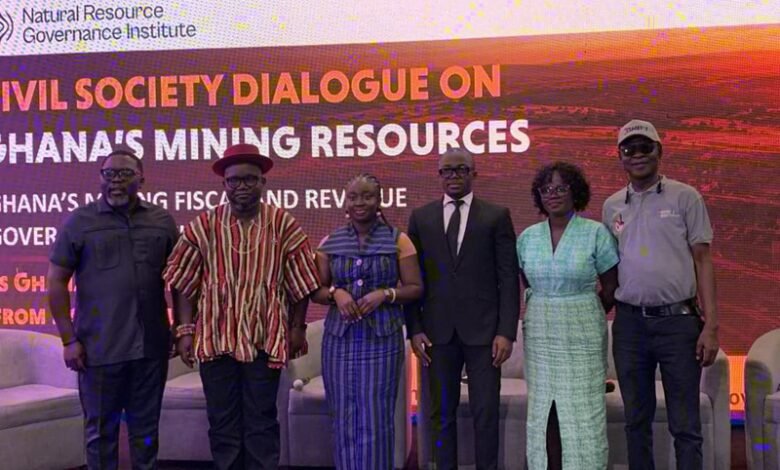
The call was made by the Chief Executive Officer (CEO) of the GCM, Dr Ken Ashigbey, at a Civil Society Dialogue on Ghana’s Mining Resources organised by the Natural Resource Governance Institute (NRGI) in partnership with the Chamber in Accra on Tuesday.
Speaking at the dialogue, held under the theme: ‘Ghana’s Mining Fiscal and Revenue Governance Architecture: Is Ghana Maximising Value from its Mineral Wealth?’, Dr Ashigbey said the country needed to move beyond focusing solely on taxes and royalties to consider the value it retained from the entire mining value chain.


He said that although Ghana’s fiscal take from mining was significant, more than 60 per cent of mining revenue went into procurement, making it necessary to strengthen local participation in the supply of goods and services to the industry.
He noted that the chamber was exploring partnerships between international suppliers and local companies to establish joint ventures and promote local manufacturing.
According to him, such initiatives would help retain more value within the economy instead of allowing jobs, technology and business opportunities to be exported.
Dr Ashigbey noted that large-scale mining companies belonging to the chamber contributed more than GH¢24 billion to the government in taxes in 2025, underscoring the need for a transparent and sustainable framework to manage the proceeds.
He proposed that the Minerals Revenue Management Act should incorporate provisions for a heritage fund to preserve part of the proceeds for future generations, as well as a stabilisation fund to cushion the economy against fluctuations in mineral revenues.
Meanwhile, the Country Manager of NRGI, Patrick Stephenson, noted that Ghana risked severe fiscal pressures and increased borrowing if global gold prices collapsed, as the country lacked a dedicated stabilisation framework to cushion fluctuations in mineral revenues.
He noted that the mining sector lacked similar provisions to protect government spending when commodity prices declined.
Mr Stephenson said that although gold prices had approached US$5,000 per ounce, the absence of a stabilisation fund for mineral revenues exposed the economy to potential revenue shortfalls.
He explained that a sharp decline in gold prices could undermine government revenue projections and affect funding for social services and other public investments.
Moreover, the Country Manager noted that this could compel the government to borrow to finance planned expenditure, thereby increasing borrowing costs and worsening fiscal pressures.
BY PRINCE FRIMPONG ADDO
SKIP THE QUEUE, TAP THE NEWS

Read the Ghanaian Times and The Spectator newspapers from the comfort of your device via TimesNewsPlus.
Follow our WhatsApp Channel now! https://whatsapp.com/channel/0029VbAjG7g3gvWajUAEX12Q