Green economy offers jobs, business opportunities for youth – GAYO
THE Green Africa Youth Organisation (GAYO) has urged young entrepreneurs to take advantage of the growing demand for environmentally friendly alternatives to plastics and other polluting materials to unlock the economic opportunities in the green economy.
The organisation said Ghana’s mounting waste management challenges presented significant business opportunities for young people to develop commercially viable solutions, attract investment and generate sustainable income.
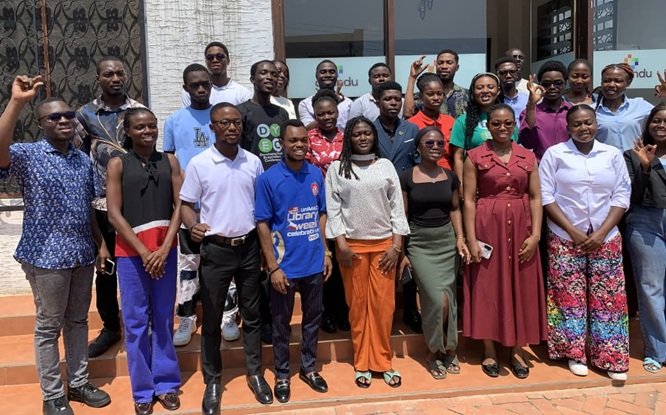
The call was made by GAYO’s Project Coordinator in charge of Clean Air, Mr Antonio Yayrator Korkuvi, during its Green Business Masterclass held in Accra on Friday.
He said the programme was designed to equip young people with the knowledge and skills to understand green entrepreneurship and identify commercially viable opportunities in the emerging sustainability market.

Mr Korkuvi explained that the initiative sought to address youth unemployment while encouraging a shift towards business models that reduced environmental pollution and its associated public health risks.
He stated that Africa had a significant youthful population whose potential could be harnessed through strategic investments in green skills, particularly as young people continued to face challenges in accessing employment.
However, he identified the relatively high cost of producing and marketing environmentally friendly alternatives as one of the major challenges confronting green entrepreneurs.
The Project Coordinator also noted that the masterclass was incorporating consumer education and community engagement to help young entrepreneurs improve market acceptance of green products.
The trainer and business consultant for the masterclass, Mrs Priscilla Akosua Serwaa Gyasi, underscored the importance of sound financial management and proper bookkeeping for entrepreneurs seeking investment and external financing.
She said business owners needed to understand their target markets, identify customers’ needs and develop effective strategies to attract and retain them.
Mrs Gyasi identified access to business development support as a critical requirement for building successful green enterprises, particularly for young people with innovative ideas but limited entrepreneurial experience.
She encouraged aspiring entrepreneurs and existing business owners seeking to expand their operations to take advantage of business development masterclasses, incubator programmes and entrepreneurship support organisations.
She also called on the government to increase its support for green businesses, noting that the sector had the potential to create jobs and contribute to addressing the country’s unemployment challenges.
Mrs Gyasi described green entrepreneurship as an economic opportunity that Ghana risked missing if adequate attention was not given to businesses and organisations developing innovative solutions to environmental challenges.
The Co-founder of WasteNovation Africa and a participant in the programme, Ms Rolanda Agbolo, said the training had provided valuable knowledge and fresh perspectives to guide her business in improving product development and positioning itself for growth.
She said the programme had helped her appreciate that waste was not necessarily useless material but a valuable resource that could be recycled, reused or upcycled into marketable products.
BY PRINCE ADDO FRIMPONG