GRI Calls for Post-WASSCE Review After Poor 2025 Results
The Ghana Reads Initiative (GRI) has called for the institutionalisation of a comprehensive post-West African Senior School Certificate Examination (WASSCE) diagnostic review to address what it describes as systemic weaknesses exposed by the 2025 WASSCE results.
It said the dialogue should be led by the West African Examinations Council (WAEC), the National Council for Curriculum and Assessment (NaCCA), and the Ghana Education Service (GES) to generate subject-level insights and guide national remediation strategies.
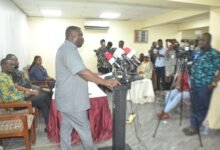
The call was contained in a communiqué issued at the end of an education dialogue organised by the GRI, a Non-governmental Organisation, in collaboration with the Educational Times newspaper under the theme: “The Uninspiring 2025 WASSCE Results and Suggestions for Rectification.”
It was jointly signed by the Board Chairperson of the GRI, Mrs Tina Aforo-Yeboah; the Editor of Educational Times, Mr Charles Neequaye; and the National Director, GRI, Albert P.K Koomson.


The dialogue, convened in response to widespread public concern over the performance of candidates in the 2025 WASSCE, particularly in the core subjects, brought together stakeholders from civil society, parents, students, and education-focused institutions. Participants included representatives from the Ghana Commission for UNESCO and the Ghana Library Authority.
According to the communiqué, the 2025 results should be treated as a “national learning alarm” rather than a verdict on the intelligence of learners or a basis for institutional blame.
It further recommended the deployment of targeted remedial programmes in Mathematics, English Language, and Integrated Science, with particular focus on rural and peri-urban schools.
The communiqué also called for Chief Examiners’ Reports to be operationalised as mandatory inputs into curriculum delivery, teacher support systems, and school improvement plans.
It said stakeholders identified weak foundational learning at the basic education level as a major contributor to poor performance at the secondary stage, especially in literacy and numeracy. Overcrowded classrooms, inadequate teaching and learning materials, and uneven resource distribution were cited as aggravating factors.
Again, it stated that the dialogue also highlighted concerns about declining study culture and discipline among students, including excessive and unregulated use of mobile phones and social media, absenteeism, and weak enforcement of school regulations.
On teacher-related challenges, participants pointed to delayed payment of intervention allowances, limited access to continuous professional development, and the reliance on underqualified or temporary teachers in deprived communities as factors undermining instructional quality.
In the area of assessment, concerns were raised about misalignment between curriculum delivery and examination expectations, with some learners demonstrating partial competence but failing to meet overall certification thresholds.
The communiqué further drew attention to persistent examination malpractices, including organised cheating and collusion, which it said threatened the credibility of the assessment system.
To address those challenges, the GRI and Educational Times proposed a raft of reforms, including the settlement of outstanding teacher arrears, targeted retraining and redeployment of teachers to low-performing schools, and strengthened instructional supervision focused on mastery-based learning rather than rote memorisation.
Moreover, it called for stricter enforcement of the ban on mobile phone usage in schools, structured behavioural change programmes for students, strengthened parental responsibility, and a review of rigid certification and progression thresholds to allow flexible re-sit options.
The communiqué said the dialogue underscored the need for coordinated reforms and sustained collaboration among government, schools, parents, and communities to restore confidence in the country’s education and assessment systems.
It said the participants expressed readiness to support government efforts through research, advocacy, and social accountability to strengthen learning outcomes and safeguard the nation’s human capital development.
BY KINGSLEY ASARE
Join our WhatsApp Channel now! https://whatsapp.com/channel/0029VbAjG7g3gvWajUAEX12Q

Follow the latest videos and updates on the official YouTube channel of Ghanaian Times.